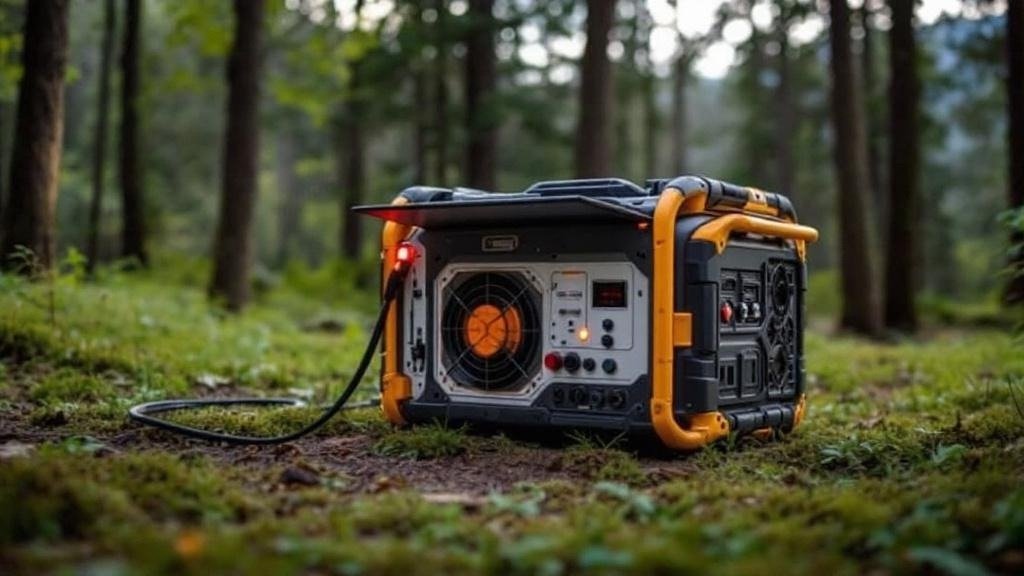


If you’ve ever had your phone die at camp, watched the power flicker during a storm, or tried to work from an RV with sketchy hookups, you already know how valuable a small, reliable power box can be. The Westinghouse 194Wh Portable Power Station & Solar Generator hits that sweet spot between price, portability, and real-world usefulness.
This isn’t some giant whole-house unit, and it doesn’t pretend to be. Instead, it’s a compact backup you can throw in the car, stash in a closet, or keep by the door for grab-and-go power. I’ll walk you through how it actually performs, where it shines, and where its limits are so you can decide if it fits your setup or if you need something bigger.

- Perfect for camping hiking hunting fishing road trips tailgating music festivals or outdoor parties |Use as an emergency…
Product Showcase: best portable power station from Westinghouse?
The product we’re looking at is the Westinghouse 194Wh, a lightweight lithium-based unit with a 150W continuous output and 300W peak. In normal human terms, this means it’s ideal for phones, tablets, cameras, drones, smaller laptops, LED lights, Wi‑Fi routers, fans, and some small TVs – but not for large appliances or power tools.
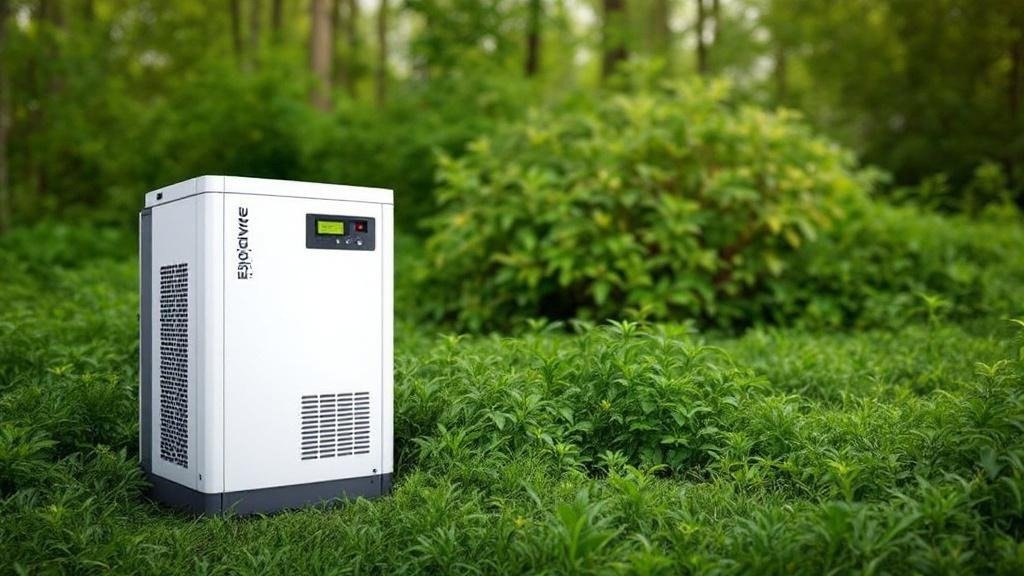
What stands out immediately is how compact it is. At around 4 lb, it’s more in “big lunchbox” territory than traditional generator size. That makes it very approachable for people who don’t want to haul a heavy battery around or mess with gas, fumes, and noise just to keep a few essentials running.
Out of the box, you get the power station, an AC wall charger, and a 12V car charger. Solar panels are not included, but the unit is designed to work with compatible panels, so you can turn it into a small portable solar power station later if you want truly off-grid charging.
For those comparing similar units, this one sits in the “personal power” category – great as a starter solution, a kid-friendly backup for gaming or schoolwork, and a travel companion. If you want to see how it stacks up against larger options, you can compare it with other models we cover in our broader solar generator for home backup guide.
If you’re mainly after a small, trustworthy unit from a recognizable brand and don’t need to run a fridge or power tools, this Westinghouse offers a compelling mix of simplicity and capability.
Pros & Cons
Key Advantages
One of the biggest pros is portability. At roughly 4 lb with a sturdy, compact housing, this power station is easy to carry with one hand, toss into a trunk, or move around the house. It doesn’t feel fragile or fussy, and that matters when you’re juggling camping gear, kids, or pets.
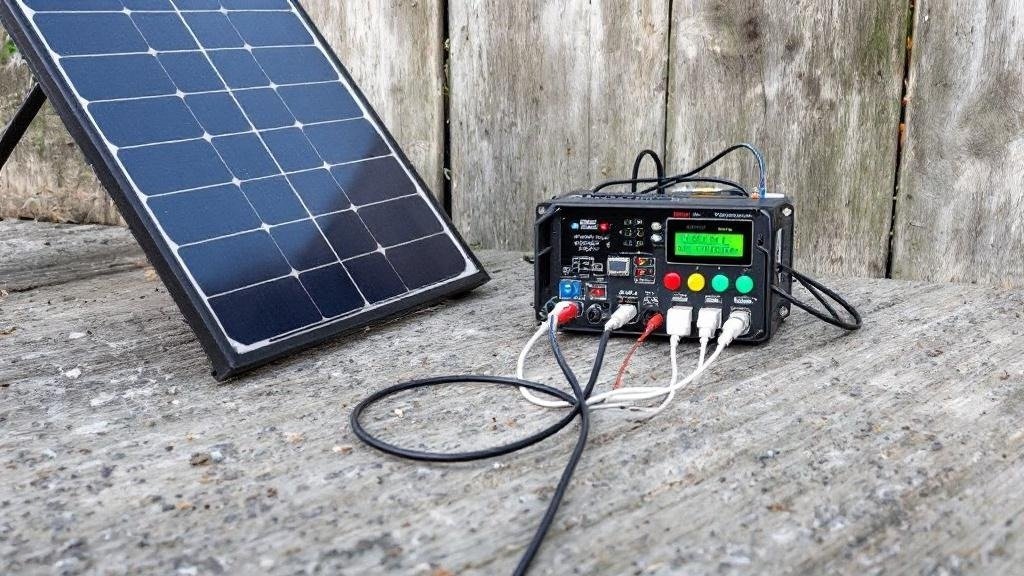
The output options are another strong point. You get two standard 120V AC outlets, three USB ports (including USB‑C and Quick Charge 3.0), a 12V car cigarette-style outlet, and DC outputs. In practical terms, that means you can run or charge up to nine devices at once without juggling cables or unplugging one thing to power another.
Noise – or really, the lack of it – is a major plus. There’s no gas engine, no fumes, and no constant drone in the background. You can safely use it indoors, in a tent, or in a small camper without worrying about carbon monoxide or annoying your neighbors at a quiet campsite.
Finally, the LED display gives you clear information about what’s going on: remaining battery, input and output status, and active modes. You’re not left guessing how long it might last, which is especially comforting during a power outage or long drive.
Potential Drawbacks
The most obvious limitation is capacity. At 194Wh and 150W continuous output, this is not a whole house solar generator, and it’s not meant to be. It won’t realistically power a full-size fridge, high-wattage space heater, or large power tools for any meaningful length of time.
Another downside for some users is the modified sine wave AC output. Many small electronics and chargers handle this just fine, but a handful of sensitive devices and certain motors can prefer pure sine wave power for optimal performance and longevity.
The unit does not come with a solar panel, which is worth keeping in mind if your main goal is a true portable solar power station out of the box. You’ll need to purchase a compatible panel separately to use solar charging.
Finally, as with many units in this size and price class, recharge times depend heavily on your chosen method (wall, car, or solar) and can feel a bit slow if you’re cycling it heavily while camping or traveling for several days in a row.
- Perfect for camping hiking hunting fishing road trips tailgating music festivals or outdoor parties |Use as an emergency…
Description & Real-World Use
Capacity and Practical Run Times
The 194Wh capacity doesn’t sound like much on paper, but it’s more revealing to look at what that actually powers. Westinghouse estimates it can run lights for up to 40 hours, power a TV for around 3 hours, and deliver around 14 smartphone charges, 3 laptop charges, or 6 drone charges per full cycle.
In real life, that means you can keep a small family’s phones and tablets topped off for a weekend, run a couple of LED lanterns and a fan at night while camping, or keep a router and laptop going through a short urban power cut. It’s enough to maintain basic comfort and connectivity rather than live completely normally through a long blackout.
People often ask if a smaller unit like this can be the best solar generator for home backup. The honest answer: it’s a great supplement, not a standalone whole-house solution. Think of it as a personal backup hub for essentials rather than something that replaces your grid entirely.
If you pair it with a compatible solar panel, it becomes part of a sustainable system that can keep cycling day after day, provided you manage your usage and give it enough sunshine to recharge.
Charging Options and Everyday Convenience
Out of the box, you get three ways to charge: from a wall outlet, from your car’s 12V socket, and from an optional solar panel. The included wall and car chargers make it easy to top up at home or on the road without buying extra accessories right away.
For road trips, the car charging option is surprisingly useful. You can keep the unit plugged in while you drive so it’s full when you stop for the night, ready to handle lights, fans, and electronics without draining your vehicle’s battery.
Using it as a portable solar power station requires adding a panel, but the experience is straightforward once you’re set up. Leave it in the sun during the late morning and afternoon, and you can recover a meaningful amount of energy each day in fair weather.
The LED screen makes it easy to keep an eye on input and output levels so you can adjust as needed – turning off non-essential devices when the battery drops, or deciding when to plug in higher-draw items.
Safety, Controls, and Usability
The built-in safety features cover the typical protections: overcharge, over-discharge, short circuit, and temperature safeguards. These are the quiet heroes that prevent you from accidentally damaging the battery or your gadgets through normal use.
A small but smart touch is the ability to lock or unlock the power station by holding both the AC and DC buttons for 5 seconds. That prevents curious kids, pets, or clumsy hands from turning it on and draining the battery unintentionally.
The control layout is intuitive, even if you’re not particularly tech-savvy. Each section (AC, DC, USB) is clearly labeled, and enabling or disabling a group of ports is usually just a matter of pressing one button.
If you prefer low-fuss gear that “just works,” this kind of design, combined with the clean LED readout, makes daily use much less intimidating than some of the more complex power systems out there.
Specs & Technical Details
Power Output and Waveform
This unit delivers 150 watts of continuous power and up to 300 watts at peak for short surges when a device first turns on. That peak capability helps it handle brief startup draws from certain electronics, as long as their ongoing demand sits below the rated continuous level.
The AC outlets provide modified sine wave power. While that’s normal in this price bracket, it’s useful to know upfront. Most chargers, lights, and many smaller electronics run fine, but some very sensitive gear and certain motors are better matched to pure sine wave models.
If your priority is a portable power station that does not throttle voltage dramatically under typical loads, this model does a good job of holding stable output within its design limits, provided you stay under the rated wattage and avoid plugging in devices it clearly wasn’t built for.
For laptops, phones, fans, and routers, it behaves predictably – the kind of “plug it in and forget it” experience most people want from a small backup power source.
Ports, Interfaces, and Battery Type
The Westinghouse 194Wh includes two 120V household-style AC outlets, three USB ports (standard USB, Quick Charge 3.0, and USB‑C), a 12V car cigarette lighter outlet, and DC outputs for compatible devices. This combination covers most modern camping and emergency power needs without a nest of adapters.
Inside, you’re working with lithium-ion batteries, which provide a lighter, more energy-dense solution than older lead-acid designs. They’re maintenance-free, so there’s no topping off fluids or worrying about venting, and they generally hold up well to regular topping off and partial discharges.
The LED display consolidates key information: remaining battery percentage, output load, and charging status. It won’t overwhelm you with technical jargon, but it does give enough detail to make smarter decisions about what to plug in and when.
For most users, this strikes a balance between useful data and simplicity. You don’t need to be an engineer to understand whether you’re draining the battery quickly or cruising at an efficient load.
- Perfect for camping hiking hunting fishing road trips tailgating music festivals or outdoor parties |Use as an emergency…
Why We Recommend This Westinghouse Unit
The reason this power station earns a recommendation is that it fills a very specific and common need: reliable small-scale backup power that doesn’t take over your life, your storage closet, or your budget. It’s not trying to be a massive solution; instead, it nails the basics for personal and family use.
For campers, festival-goers, and road trippers, it offers just enough capacity to keep the essentials going without feeling like you’re hauling a mini-fridge. It powers lights, phones, cameras, and small fans – the things that make your setup comfortable rather than primitive.
For home use, it’s that reassuring backup you pull out when the lights go out or when you need a quiet, fume-free power source indoors. It can keep your communications running, maintain some lighting, and support entertainment or work devices during short outages.
It also serves as a great “first step” into backup power before you jump into larger, more expensive systems. If you’ve been reading solar generator reviews and feeling overwhelmed, this is a low-risk way to experience the benefits on a smaller scale.
And if you decide later that you want a larger system, this smaller unit doesn’t become obsolete. It can still live in your car, RV, or emergency kit while a bigger unit handles heavier household loads.
Who This Is NOT For (Target Audience Clarity)
If you’re looking for a robust whole house solar generator that can run central air, electric stoves, or a large refrigerator for many hours, this is not the right tool. You’ll quickly run up against its 150W continuous limitation and modest capacity.
It’s also not ideal for people who need to run very sensitive medical equipment that specifically requires pure sine wave power. In those cases, paying more for a higher-end unit is the smarter, safer choice.
Contractors or serious DIYers who rely on high-wattage tools, compressors, or saws are likely to be disappointed as well. This simply isn’t built to handle that kind of sustained draw or abuse.
On the other hand, if your expectations are aligned – you want something small, quiet, and simple that keeps personal electronics and a few comfort items powered – you’re squarely in this product’s ideal audience.
Complementing Ideas & Related Resources
To get the most from this Westinghouse unit, think of it as the foundation of a layered backup plan rather than the entire solution. Pairing it with a compact folding solar panel turns it into a self-sustaining station for camping or mild emergencies, especially in sunny regions.
If you’re on the fence between this and larger models, it may help to see where it fits in a broader lineup. Our detailed comparison of options in the solar generator for RV category can give you a better sense of how much capacity you might need for bigger rigs or longer trips.
For many households, the smartest path is a two-tier setup: a small unit like this for everyday flexibility and mobility, and a larger, higher-capacity system for more serious outages. If you move in that direction, this Westinghouse can continue to serve as a grab-and-go power source for the car or camper.
And if you’ve decided this fits your current needs and budget, you can check pricing, specs, and current availability directly on Amazon here: Westinghouse 194Wh Portable Power Station.
For broader background on power planning, it’s also worth reviewing emergency preparedness guidance from reputable organizations such as the U.S. Department of Energy at their preparedness resources or general consumer safety information on backup power and batteries from Consumer Reports. Combining manufacturer specs with neutral safety advice helps you use any backup system more confidently.
- Perfect for camping hiking hunting fishing road trips tailgating music festivals or outdoor parties |Use as an emergency…
Your Questions, Answered
Can the Westinghouse 194Wh run a Wi‑Fi router and laptop during a power outage?
Yes, in most cases the Westinghouse 194Wh has enough capacity and output to run a typical Wi‑Fi router and a laptop at the same time for a few hours, depending on how power-hungry your specific devices are. Many home routers draw around 10–15 watts, and efficient laptops can average 30–60 watts under light to moderate use. As long as your combined draw stays safely under the unit’s 150W continuous rating, it can keep you online and productive during shorter outages. For all-day work or multi-day blackouts, you’ll either want to recharge periodically via wall, car, or solar, or consider stepping up to a larger model that’s closer to the best portable power station options for heavy home backup use.
Is modified sine wave power safe for phones, tablets, and cameras?
For most modern devices that charge through USB or standard wall adapters such as phones, tablets, wireless earbuds, and camera battery chargers modified sine wave power is generally fine. These devices usually convert AC to low-voltage DC internally and are built to tolerate the kind of waveform this Westinghouse unit provides. Where you need to be more cautious is with sensitive audio gear, older electronics, or equipment that has AC motors or very strict power requirements. If you rely heavily on those, consider a higher-end pure sine wave power station for maximum compatibility.
Can this power station be used inside a tent or small room safely?
Yes, one of the biggest advantages of a battery-based power station like the Westinghouse 194Wh is that it produces no exhaust fumes and very little noise, making it suitable for indoor and tent use. You still want to use common sense keep it away from water, give it a bit of space so it can dissipate any heat, and avoid covering it with blankets or clothes. But unlike gas generators, there’s no risk of carbon monoxide from the unit itself, which is why many people prefer this style of backup power for bedrooms, apartments, and enclosed camping setups.
How does this unit compare to larger solar generators for RV use?
Compared with larger solar generators designed specifically for RVs, the Westinghouse 194Wh sits on the lighter, more portable end of the spectrum. It’s great for charging electronics, running LED lights, powering a small fan, or occasionally running a compact TV. However, it doesn’t have the capacity or continuous wattage to handle energy-hungry RV appliances like big microwaves, electric kettles, or high‑draw heaters. If you only need basic comfort and device charging, it can work well as a dedicated personal station, but for whole‑rig support you’ll likely want to upgrade to a higher‑capacity RV‑focused model.
Do I need a solar panel, or is wall and car charging enough?
You don’t need a solar panel to use this power station effectively; many people are perfectly happy charging it from the wall at home or from the car while driving. Wall charging is usually the fastest and most convenient for everyday use and storm preparation. Car charging is handy for road trips where you’re driving regularly. A solar panel becomes more important if you want extended off‑grid capability such as multi‑day boondocking, remote camping, or longer grid outages because it lets you replenish the battery without depending on utility power or constant engine time.

We are a collective of off-grid enthusiasts, solar technicians, and sustainable living advocates dedicated to making energy independence accessible. From blackout-proofing suburban homes to engineering mobile power for the road, we rigorously test every kit and component we review. Our mission is to help you cut the cord and power your life on your own terms.