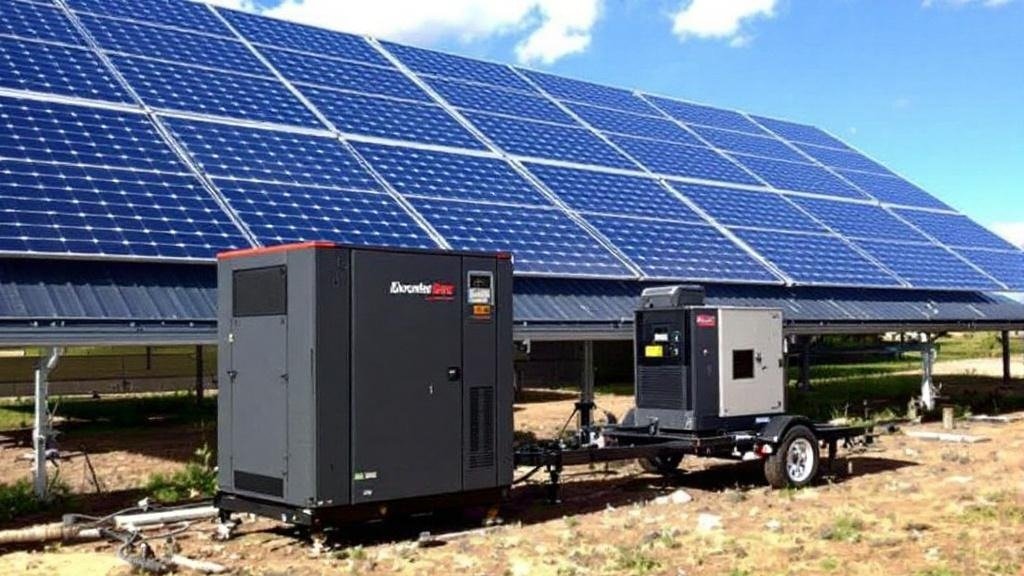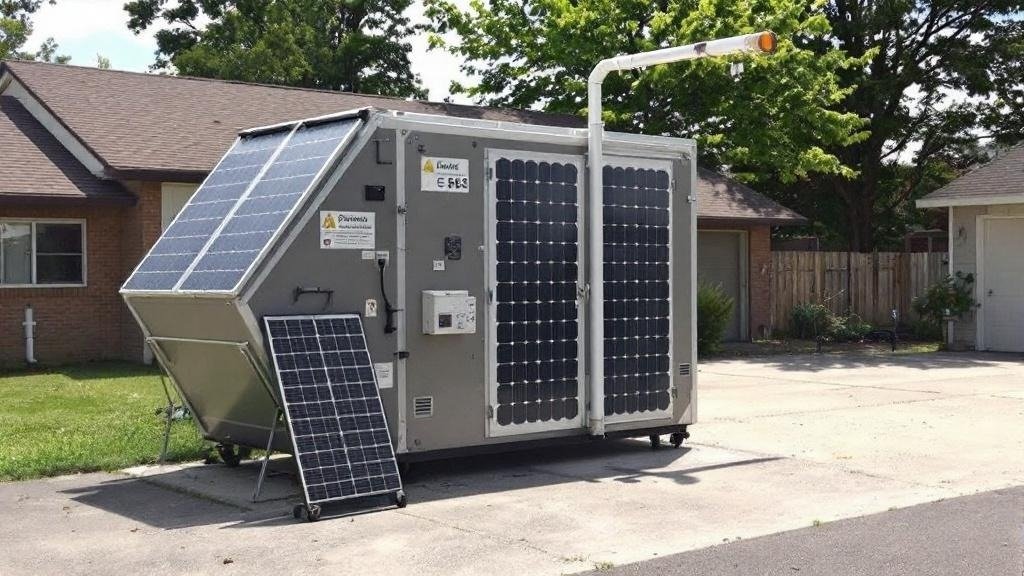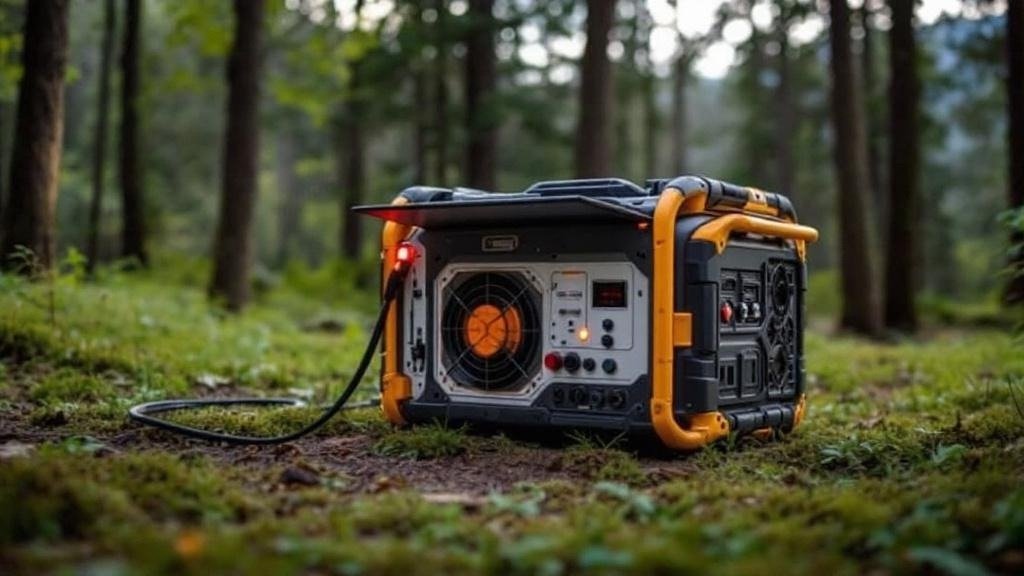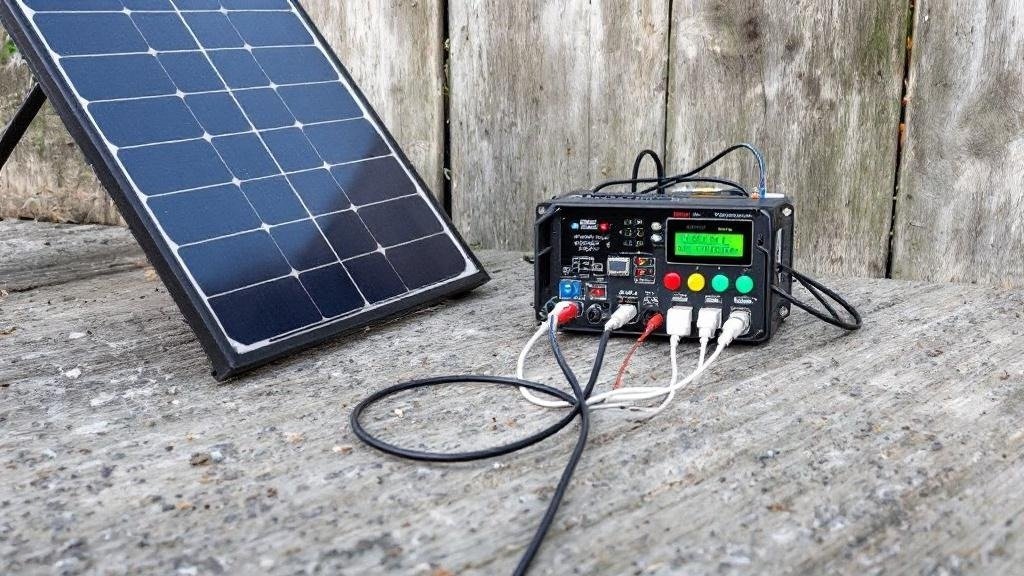



- Product Showcase: Renogy 1000W Pure Sine Wave Inverter for Real-World Use
- Pros & Cons of the Renogy 1000W Inverter
- Description: How This Pure Sine Wave Inverter Fits Into Your System
- Specs: What You’re Actually Getting
- Why We Recommend the Renogy 1000W Inverter
- Who This Is NOT For
- Complementing Ideas & Helpful Resources
- Your Questions, Answered
If you’re setting up an off-grid power system, kitting out an RV, or just want serious backup power at home, you quickly discover there’s a huge difference between a cheap inverter and a reliable pure sine wave inverter you can trust with your electronics. The Renogy 1000W model sits right in that sweet spot: powerful enough for real-world use, but not so oversized that it feels like overkill. After digging into its specs, features, and real-life use cases, this unit stands out as one of the more balanced options for 12V systems.
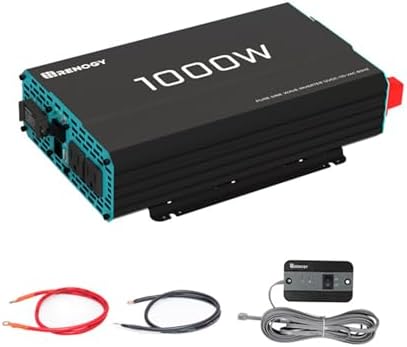
- 【POWERFUL DC-AC】This renogy 1000 watt inverter 12V to 110V provides 1000W continuous DC to AC power, 2000W peak surge du…
- 【SAFE FOR USE】Power inverter has LED indicators for under-voltage and over-voltage protection, over-temperature protecti…
- 【PROTECT YOUR ELECTRONICS】Advanced pure sine wave inverter provides quality AC equivalent to grid power which will prote…
Product Showcase: Renogy 1000W Pure Sine Wave Inverter for Real-World Use
The Renogy 1000W is a compact, 12V dc to ac converter designed for people who actually use their gear not just stare at spec sheets. It turns 12V DC from a battery bank into 120V AC power you can plug your everyday appliances into, giving you grid-like power even when you’re in the middle of nowhere.
Rated at 1000W continuous with a 2000W surge, this inverter is well suited for RVs, camper vans, trucks, cabins, and small off-grid solar setups. It’s strong enough to handle essentials think laptops, TVs, lights, chargers, a small fridge or freezer without you constantly worrying about overloading the unit. Renogy also includes a wired remote, decent cables, and a built-in USB port, which makes the installation and day-to-day use less of a science project.
What really separates this model from cheaper dc to ac inverter options is the quality of its output. Because it’s a true pure sine wave unit, it produces a clean waveform that closely matches what you get from the utility grid. That matters a lot for sensitive electronics, and it’s one of the main reasons people opt for a better inverter instead of the bargain-bin units that can cause buzzing, glitches, or premature failure.
Physically, the Renogy feels robust. The metal housing is built to take a few bumps, and the built-in high-speed fans help it stay cool under load. This isn’t a “throw it in the trunk and forget about it” toy it’s clearly designed as part of a more serious off-grid or backup power system where reliability matters, whether you’re parked at a campsite or riding out a storm at home.
Pros & Cons of the Renogy 1000W Inverter
Key Advantages
First, the obvious upside: this is a true inverter pure sine wave inverter unit, not a modified waveform pretending to be one. That means cleaner power, quieter operation, and happier electronics. With over 90% conversion efficiency, it also makes good use of your stored battery power instead of wasting it as heat. The 1000W continuous rating with 2000W surge gives you enough headroom for startup loads on things like small compressors or pumps, within reason.
Another strong plus is safety and protection. The Renogy includes under-voltage and over-voltage protection, over-temperature and over-load protection, short-circuit indication, and GFCI protection on the AC side. Those aren’t just marketing buzzwords these features help protect both your batteries and your connected devices, especially in systems where loads may vary widely throughout the day.
Usability is better than many competing models. You get two standard AC outlets, an AC terminal block (useful for hardwiring into a small subpanel or transfer setup), plus a 5V/2.1A USB port for charging phones and small electronics. The included 3-foot 4AWG cables and 16.4-foot wired remote mean you can mount the dc to ac converter close to your batteries while keeping the control panel conveniently accessible inside your RV or cabin.
Potential Drawbacks
On the downside, 1000W won’t be enough for everyone. If you want to run a large microwave, power-hungry tools, or multiple heavy loads at once, you’ll either need to carefully manage what’s turned on or step up to a higher-wattage model. For moderate users, it’s fine, but it’s not a whole-house solution by itself. You’ll also want to pair it with a good-sized deep-cycle battery (Renogy recommends batteries with at least 80% discharge depth capability), which adds to the overall system cost.
Another thing to note: pure sine wave inverter units like this one tend to be more expensive than modified sine wave models with the same wattage. If all you ever power is a few basic resistive loads like simple lights or maybe a small heater you might not need such a perfect sine wave inverter. But for most mixed-use systems with electronics, this extra investment pays off in fewer headaches and longer equipment life.
Lastly, while the cooling fans are essential, they do create some noise under heavier loads. It’s not outrageous, but if you mount the inverter right next to your sleeping area in a tiny van, you’ll notice it when you’re pulling serious power. Strategic placement from a small utility bay to a vented cabinet goes a long way toward making that a non-issue.
- 【POWERFUL DC-AC】This renogy 1000 watt inverter 12V to 110V provides 1000W continuous DC to AC power, 2000W peak surge du…
- 【SAFE FOR USE】Power inverter has LED indicators for under-voltage and over-voltage protection, over-temperature protecti…
- 【PROTECT YOUR ELECTRONICS】Advanced pure sine wave inverter provides quality AC equivalent to grid power which will prote…
Description: How This Pure Sine Wave Inverter Fits Into Your System
Clean Power Output for Sensitive Electronics
One of the most important aspects of the Renogy 1000W unit is its clean AC output. A true sine wave inverter delivers power that is smooth and consistent, very similar to what you’d get from a typical household wall outlet. That matters if you’re running laptops, TVs, audio equipment, variable-speed tools, or anything with a microprocessor. Many cheaper models can cause weird behavior screens flickering, fans humming, chargers running hotter than they should.
With this inverter, the output is stable enough that you can confidently plug in your laptop, charge camera batteries, or run a small entertainment setup without worrying that your dc to ac converter is slowly cooking your gear. Renogy’s emphasis on quality AC equivalent to grid power is not just a claim; it’s the core reason people seek out a dedicated sine wave inverter for serious off-grid builds.
Power and Efficiency in Real-Life Use
The 1000W continuous rating makes this unit a great “mid-range workhorse.” It’s ideal for setups where you might run a few LED lights, a TV, a laptop, a Wi-Fi router, and maybe a compact fridge or small freezer especially in an RV or off-grid cabin scenario. The 2000W surge capacity gives a bit of breathing room for motor startups, as long as you’re mindful of total load.
Conversion efficiency above 90% is also practical, not just theoretical. You’re drawing energy from your 12V battery bank, and every percentage point lost to heat is power you don’t get to use. That efficiency adds up over long boondocking trips or in an off-grid solar power system, where every amp-hour counts, especially during cloudy stretches or winter.
Safety, Protection, and Cooling
Renogy includes a solid suite of safety features, which is crucial when you’re dealing with high currents on the DC side and 120V AC on the output. Over-voltage and under-voltage protection help prevent damage if your batteries are pushed too hard or wired incorrectly. Over-temperature and over-load protection shut things down before damage occurs, instead of letting components cook.
The built-in GFCI is a big plus when you’re using this inverter in damp environments like RVs, boats, or cabins where humidity and condensation are real concerns. The metal housing and high-speed fans round out the package, helping the inverter stay cool and physically protected in day-to-day use. Proper ventilation during installation is still important, but the hardware here is clearly designed to handle real-world conditions.
Everyday Convenience Features
This unit doesn’t just focus on raw specs; it also pays attention to day-to-day usability. The built-in 5V/2.1A USB port is a small but very handy touch perfect for topping off phones, tablets, GPS units, or headlamps without needing yet another power brick. The two AC outlets give you plug-and-play flexibility, while the terminal block allows more permanent wiring if you’re integrating it into a small subpanel or transfer switch system.
The included 3-foot 4AWG cables are thick enough for a solid connection on a 12V to 120V inverter of this size, and the 16.4-foot wired remote means you can tuck the inverter out of sight near the batteries while keeping full control inside your living space. That goes a long way toward cleaner installs and quieter nights, especially in compact rigs.
Specs: What You’re Actually Getting
Core Electrical Specifications
This Renogy model is a 12V DC input, 120V AC output unit, positioned as a 12v to 120v inverter with 1000W continuous output and 2000W surge. It’s optimized for typical North American AC loads (nominally 110–120V). The rated conversion efficiency is greater than 90%, which positions it as a strong performer in typical off-grid solar or battery-based systems.
The waveform is a true sine wave, not modified. That’s the main reason it fits into the category of a perfect sine wave inverter for sensitive equipment. While many users fixate on wattage alone, the waveform quality is often what separates an “okay” system from one you trust to run your gear for years.
Protection and Compliance
From a safety standpoint, the inverter includes multiple protection layers: under-voltage, over-voltage, over-temperature, over-load, and short-circuit indication. On the AC side, the GFCI outlet adds another layer of protection when used in potentially damp or rugged environments. These features are especially relevant when the system is being used by friends or family who may not be as cautious as the person who installed it.
For formal safety standards, the product is UL 458 and CSA C22.2 No. 107.1 certified. That means it has gone through recognized testing processes commonly used for mobile and recreational vehicle applications in North America. For many buyers, that third-party validation is a deciding factor over generic, uncertified imports that may look similar on the surface.
Physical Design and Included Accessories
The inverter is housed in a durable metal casing designed to resist bumps, vibrations, and general wear-and-tear. Cooling is provided by high-speed ventilation fans, which kick in as temperatures rise under load. Proper mounting and ventilation are still important, but the hardware is clearly built for real-world conditions rather than delicate bench-top use.
In the box, you’ll find the inverter, two 3-foot 4AWG battery cables, and a 16.4-foot wired remote control. Between the AC outlets, USB port, and AC terminal block, you have several options for integrating the unit into your power system. It’s not a bare-bones dc to ac inverter that requires a pile of extra parts just to get started; Renogy actually includes what most users need to get up and running.
- 【POWERFUL DC-AC】This renogy 1000 watt inverter 12V to 110V provides 1000W continuous DC to AC power, 2000W peak surge du…
- 【SAFE FOR USE】Power inverter has LED indicators for under-voltage and over-voltage protection, over-temperature protecti…
- 【PROTECT YOUR ELECTRONICS】Advanced pure sine wave inverter provides quality AC equivalent to grid power which will prote…
Why We Recommend the Renogy 1000W Inverter
The main reason this inverter stands out is the balance it strikes between capability, safety, and practicality. It’s not the cheapest option on the market, and it’s not the most powerful either, but it occupies a sweet middle ground that suits a huge percentage of real-world use cases. For RVs, vans, small cabins, or compact backup systems, 1000W of true sine wave power is often “just right” enough to be actually useful, but not so oversized that it demands a massive battery bank to feed it.
We also like that Renogy treats this as part of a broader system, not an isolated gadget. It pairs naturally with their solar panels, charge controllers, and lithium or AGM batteries, making it easier for newer users to build a coherent power setup instead of a random mix of parts. If you’re building an off-grid solar system with batteries, this inverter drops into that ecosystem without fuss and supports gradual expansion over time.
Reliability and protection features are another big piece of the puzzle. When your power system is more than just a weekend toy when it’s running your fridge on a long trip, powering work gear on the road, or backing up essentials during an outage you want hardware that shuts down gracefully rather than failing catastrophically. The layered protections, certifications, and solid construction give this unit an edge over generic alternatives.
Finally, it simply feels like a product made by a company that understands off-grid life. The wired remote, the inclusion of proper cables, the thoughtful mix of outlets and terminal block all of these small design choices suggest Renogy actually listens to people who live and travel with their dc to ac converter running regularly. That’s the sort of detail that doesn’t always show up in marketing copy but becomes obvious over months and years of use.
If you want to see current pricing or pick one up, you can check it out on Amazon here: Renogy 1000W Pure Sine Wave Inverter.
Who This Is NOT For
This inverter is not the best match if you’re trying to power an entire house, heavy-duty workshop tools, or big resistive loads like large space heaters. In those cases, even a high-quality pure sine wave inverter at 1000W will feel underpowered. You’d be better off with a larger inverter (or a split-system setup) and a more substantial battery bank to match.
It’s also not ideal if your budget is absolutely rock-bottom and you only plan to run extremely simple loads. If your whole “system” is a single lightbulb and a phone charger once in a while, a cheaper modified sine unit might technically work. You’d sacrifice the elegance and safety net of this model, but it might be acceptable for very basic, low-stakes use.
On the flip side, if your setup is already standardized on 24V or 48V battery banks, this 12V-oriented dc to ac inverter simply won’t slot in. Renogy does make higher-voltage models, and for larger systems those can be more efficient. So while this unit is great for compact 12V builds, it isn’t a universal solution for every type of off-grid or backup power project.
Complementing Ideas & Helpful Resources
To get the most from this inverter, it’s worth pairing it with a well-designed battery and solar setup. If you’re researching broader system design topics like sizing your battery bank or choosing the right charge controller our guide on planning an off-grid solar battery system is a helpful next step. It walks through practical sizing, not just theoretical formulas, so you don’t end up disappointed in cloudy weather.
If you’re more focused on mobile power for vans, RVs, or truck campers, take a look at our comparison of popular RV inverter and battery setups. It breaks down real-world examples what each system can actually run, how long it lasts, and what upgrades make the biggest difference. The Renogy 1000W inverter fits right into several of those example builds.
For those who want to cross-check electrical safety principles or dive deeper into inverter fundamentals, the U.S. Department of Energy has accessible information on distributed and backup power systems. Their official site is a solid jumping-off point. If you’re interested in standards and certifications such as UL listings, the UL organization also offers high-level explanations of what those marks actually guarantee.
And if you decide the 1000W version is right for your needs, you can view specs and buyer feedback directly on its Amazon listing here: Renogy 1000W Inverter on Amazon. For larger or smaller setups, Renogy’s store has related models and accessories, often bundled with batteries or solar panels for a more complete kit.
If you already know you want to stay within the Renogy ecosystem, it’s also worth browsing their higher-wattage inverters and accessories, many of which you’ll find grouped with this model on Amazon: see Renogy inverter bundles and related gear. For those who are still deciding between multiple brands, keeping this unit as a reference point will help you compare protections, certifications, and real wattage claims more clearly.
Finally, if you’re building from scratch and want a simple starting point, consider looking at solar-plus-battery kits that are designed to work seamlessly with a 12v to 120v inverter like this one. Renogy often groups compatible panels, MPPT controllers, and LiFePO4 batteries together on their Amazon page: browse Renogy solar and battery bundles. Matching components from the same ecosystem can save a lot of time and a lot of troubleshooting down the road.
- 【POWERFUL DC-AC】This renogy 1000 watt inverter 12V to 110V provides 1000W continuous DC to AC power, 2000W peak surge du…
- 【SAFE FOR USE】Power inverter has LED indicators for under-voltage and over-voltage protection, over-temperature protecti…
- 【PROTECT YOUR ELECTRONICS】Advanced pure sine wave inverter provides quality AC equivalent to grid power which will prote…
Your Questions, Answered
What can I realistically run on the Renogy 1000W pure sine wave inverter?
In typical use, the Renogy 1000W pure sine wave inverter can comfortably run a mix of small to medium loads, such as LED lights, phone and laptop chargers, a TV, a Wi‑Fi router, and a small fridge or freezer, as long as your total continuous draw stays under about 800–900 watts to leave a safety buffer. The 2000W surge rating helps cover short startup spikes from compressors or motors. It’s not meant for large microwaves, full-size air conditioners, or big power tools all at once, but it’s ideal as a “core essentials” power source in RVs, vans, cabins, or small backup systems.
Do I really need a pure sine wave inverter for my setup?
If you run modern electronics laptops, TVs, game consoles, routers, CPAP machines, camera chargers, or gear with variable-speed motors a pure sine wave inverter is strongly recommended. It outputs a clean waveform similar to household grid power, which reduces buzzing, overheating, and glitches compared to modified sine units. For very basic resistive loads (simple lights or some heaters), a cheaper inverter might work, but for mixed real-world use, a pure sine model like the Renogy 1000W is far more reliable and easier on your equipment over the long term.
What size battery do I need to use with the Renogy 1000W inverter?
A practical minimum for comfortable use is at least a 100Ah deep‑cycle 12V battery, though many people go larger 200Ah or more if they want to run a fridge or multiple loads for longer periods. Renogy notes that the power input should be a deep‑cycle battery capable of around 80% depth of discharge, such as quality AGM or LiFePO4 batteries. Remember that at full load, a 1000W inverter can draw 90+ amps from a 12V battery, so using appropriately sized cables and fuses, along with a healthy battery bank, is critical for both performance and safety.
Is this inverter suitable for a home backup power system?
It can be part of a small home backup system, especially if your priority is keeping essentials running like LED lighting, phone charging, a Wi‑Fi router, and a small fridge. However, by itself, a 1000W unit is not designed to run an entire home or high‑demand appliances such as central AC, electric water heaters, or large microwaves. Many people use this inverter to power a dedicated “critical loads” circuit or a few key outlets instead of trying to support every device in the house.
How difficult is installation, and can a beginner handle it safely?
Installation is manageable for a careful beginner who is willing to read instructions and follow basic DC wiring best practices. The Renogy 1000W inverter includes 4AWG cables and a wired remote; you’ll need to mount the inverter near your batteries, connect it with properly fused cables, and ensure adequate ventilation. The AC side can be as simple as plugging directly into the outlets, or as advanced as wiring into a small subpanel if you have the skills and follow local codes. If you’re unsure about AC wiring or system grounding, it’s wise to consult a qualified electrician, especially for semi-permanent installations in homes or RVs.

We are a collective of off-grid enthusiasts, solar technicians, and sustainable living advocates dedicated to making energy independence accessible. From blackout-proofing suburban homes to engineering mobile power for the road, we rigorously test every kit and component we review. Our mission is to help you cut the cord and power your life on your own terms.