

If you’ve been hunting for a smarter way to squeeze more power out of limited roof space, the ECO-WORTHY 195W N-Type bifacial panel is one of those products that makes you rethink what a single solar module can do. It’s designed for RVs, boats, cabins, and small off-grid systems where every watt really matters, but you don’t want the complexity of a full-blown commercial setup.
What stood out immediately is how this panel blends newer N-type cell tech with a bifacial design in a very practical, user-friendly package. It’s not just about chasing lab numbers you can tell ECO-WORTHY actually thought about real-world use: seasonal angles, reflectivity, hot days on a camper roof, and long-term reliability.
Below is a detailed, hands-on style breakdown of what this 195W panel really offers, where it shines, and where you might want to think twice before buying.
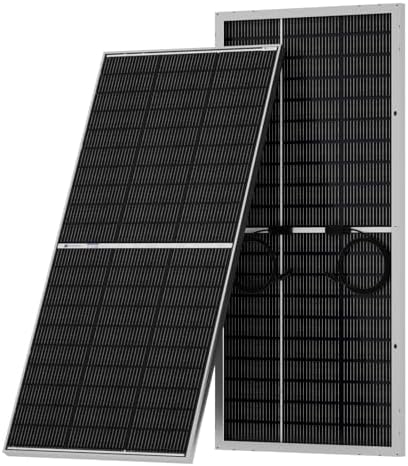
- [N-Type 18BB High-Efficiency Solar Cells] Newly upgraded 195W N-type bifacial solar panel–with excellent high-temperatur…
- [Dual-Sided Power Generation] This panel captures sunlight from both sides, boosting energy yield by 15%—equaling over 1…
- [30 Years of Durability] Features super-strong tempered glass, corrosion-resistant aluminum & IP68 waterproof rating. 2 …
Product Showcase: ECO-WORTHY 195W N-Type Bifacial Solar Panel
The ECO-WORTHY 195W N-Type panel is built for people who want serious output from a single module without jumping into an oversized rooftop array. At 195W under STC (standard test conditions), it’s already hefty for a 12V-class panel, but the bifacial design means the rear side can add a noticeable bump in production when installed correctly.
This panel uses N-type monocrystalline cells with 18 busbars and a claimed 25% cell conversion efficiency. What that means in practice is better performance in heat and slightly higher power density per square inch compared with many older panels. On an RV or small roof, that extra efficiency can be the difference between running a fridge comfortably versus constantly watching your battery gauge.
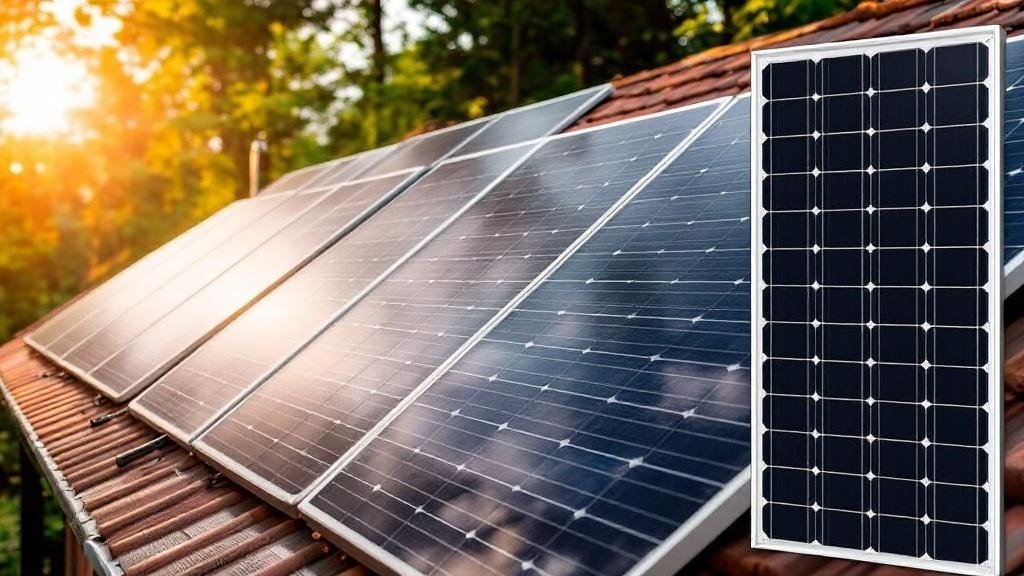
Physically, the panel measures about 58.86 x 26.18 x 1.38 inches and weighs a bit over 23 pounds. It feels solid in the hand tempered glass front, anodized aluminum frame, and an IP68-rated junction box using MC4 connectors. In other words, it’s built like a modern, weather-ready module rather than a fragile budget panel that makes you nervous in a hailstorm.
ECO-WORTHY clearly positions this for flexible use: roof, RV, boat, small home systems, farms, and general off grid solar power setups. If you’ve got limited roof real estate or just want to test the waters with a single high efficiency module, this 195W panel is a very appealing starting point.
Pros & Cons
Major Advantages
- Excellent output for its size: 195W from a relatively compact 12V panel, with potential to reach around 215W under ideal reflective conditions.
- Bifacial design: Dual-sided generation means extra energy when mounted above reflective surfaces such as light concrete, sand, snow, or even pale RV roofs.
- N-Type cell technology: Better high-temperature performance and slower degradation than many P-type alternatives, ideal for hot roofs or camper solar panels baking in the sun.
- Durable build: 3.2 mm tempered glass, IP68 junction box, and a corrosion-resistant aluminum frame designed for decades of outdoor exposure.
- Versatile mounting: Pre-drilled mounting, grounding, and drainage holes make installation approachable for DIYers.
Potential Drawbacks
- Real-world output varies: Like all solar, the 195W rating is based on lab STC; real production depends heavily on angle, temperature, reflectivity, and shading.
- Best results need reflectivity: To truly benefit from the rear side of the panel, you’ll want to mount it above a reflective surface or use a tracker or well-angled bracket.
- Not the lightest option: At over 23 pounds, it’s sturdy but heavier than some flexible or frameless panels, which could matter on lightweight RV roofs or van builds.
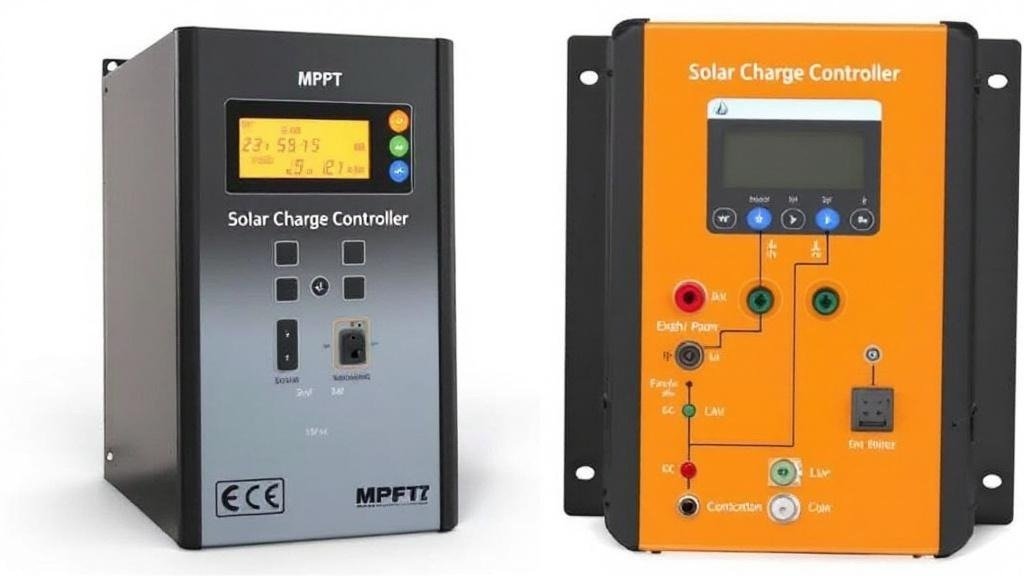
- Requires appropriate controller: With nearly 21.2V open-circuit and up to 10.9A, pairing with a quality MPPT charge controller is strongly recommended for optimal performance.
Description of the ECO-WORTHY 195W Bifacial Panel
N-Type 18BB High-Efficiency Cell Design
The heart of this panel is its N-type monocrystalline cells with 18 busbars (18BB). N-type means the cells are doped differently than older P-type cells, which typically translates into better resistance to light-induced degradation and improved performance at higher temperatures. On a hot RV roof in summer, that can help preserve more of your rated output.
The 18-busbar layout reduces the distance electrons have to travel across each cell, lowering resistive losses and helping to maintain efficiency even when tiny micro-cracks or hotspots appear over many years. It’s a subtle improvement, but when you’re chasing the most efficient solar panels for a tight installation, these design details matter.
ECO-WORTHY rates the cell efficiency at up to 25% under ideal lab conditions. In practice, you won’t see that exact number at the system level, but it’s a strong indicator that you’re dealing with a high efficiency solar panel rather than a bargain-basement module.
Bifacial Construction and Dual-Sided Power
What separates this panel from standard monofacial modules is the transparent rear side, which lets light hit the backs of the cells. With a reflective surface underneath, the panel can gain up to around 15% more energy yield compared with a one-sided panel of similar wattage.
In real use, that could be more than 100Wh extra per day per panel under a solid four hours of good sunlight. If you’re building solar panels for RV setups or small off grid solar power systems, that extra margin can be surprisingly valuable especially when you’re trying to cover fridge cycles, fans, and device charging without oversizing your battery bank.
The key here is installation. To tap into the bifacial advantage, you want the panel spaced above a bright, non-absorptive surface: light-colored metal roofs, white RV roofs, concrete pads, gravel, or even snow. ECO-WORTHY specifically recommends using a 45-inch solar panel mount or a tracker bracket to optimize both the angle and rear-side exposure.
Real-World Output Considerations
ECO-WORTHY is refreshingly honest in noting that the 195W rating comes from STC measurements (1,000W/m², 25°C cell temperature, AM 1.5). In the field, things are rarely that perfect. Heat, cable losses, charge controller efficiency, and your battery’s state of charge all affect the numbers you’ll see on a meter or power station.
If you connect this panel to a portable power station with long cables, don’t be surprised if your readout looks a bit lower than you expected. That’s not necessarily the panel underperforming it’s simply the reality of DC systems. For a true reading, ECO-WORTHY suggests using a dedicated solar meter or multimeter closer to the panel output.
Done right, especially with a quality MPPT controller, you can realistically expect strong daily production from a single module enough to maintain a modest RV electrical system or help offset daytime loads at a cabin or tiny home.
Installation and Everyday Usability
The panel comes with pre-drilled mounting holes, grounding points, and drainage slots. If you’ve ever fought with a panel that required custom drilling, this is a relief. Most standard Z-brackets, roof rails, or tilt mounts should bolt up easily, making it friendly for DIY installers.
Thanks to the standard MC4 connectors, wiring into an existing array or charge controller is straightforward. You can place this module in parallel with other 12V-class panels (respecting voltage and current limits) or use multiple ECO-WORTHY 195W modules for a scalable build. For new systems, pairing it with a robust MPPT controller and a suitable battery bank is the most efficient route.
Specs and Technical Details
Electrical Performance
- Maximum Power (Pmax): 195W (up to ~215W possible under ideal bifacial conditions)
- Voltage at Pmax (Vmp): 18.3V
- Current at Pmax (Imp): 10.9A
- Open-Circuit Voltage (Voc): 21.2V
- Short-Circuit Current (Isc): 11.6A
- Maximum System Voltage: 1000V DC
- Maximum Series Fuse Rating: 15A
- Testing Standard: STC (AM 1.5, 1000W/m², 25°C cell temperature)
For most 12V or 24V battery banks, you’ll want an MPPT charge controller to take full advantage of that 18.3V Vmp, especially in partial shade or during cooler mornings when voltage tends to run higher.
Mechanical and Environmental
- Dimensions: 58.86 x 26.18 x 1.38 inches
- Weight: 23.15 lbs (approx.)
- Cell Type: N-type monocrystalline
- Front Glass: 3.2 mm high-transmission tempered glass
- Frame: Anodized aluminum alloy
- Junction Box Rating: IP68
- Connector Type: MC4
- Operating Temperature: -40°C to +80°C
The wide temperature range and IP68 protection are especially reassuring if you’re mounting on a boat, in coastal areas, or on farm structures where dust, spray, and storms are the norm. It’s built to take abuse without constantly demanding your attention.
- [N-Type 18BB High-Efficiency Solar Cells] Newly upgraded 195W N-type bifacial solar panel–with excellent high-temperatur…
- [Dual-Sided Power Generation] This panel captures sunlight from both sides, boosting energy yield by 15%—equaling over 1…
- [30 Years of Durability] Features super-strong tempered glass, corrosion-resistant aluminum & IP68 waterproof rating. 2 …
Why We Recommend This Panel
The real reason this panel is compelling isn’t just the headline wattage it’s how much practical, usable energy you can extract from limited surfaces. For many people, space is the hard limit, not budget. Van lifers, small RV owners, and off-grid cabin builders all struggle with the same question: “How can I get more power out of the roof I already have?”
By combining N-type cells with a bifacial layout, ECO-WORTHY has created a panel that punches above its size, especially when installed thoughtfully over reflective surfaces. In the right scenario, it behaves more like a ~215W class module, while still fitting in the footprint of a 195W 12V panel. That’s a meaningful upgrade when you multiply it by two or three modules.
Durability is another part of the equation. A cheap panel that degrades quickly or fails in five to ten years is rarely a bargain. ECO-WORTHY claims up to 30 years of stable use, thanks to better temperature tolerance and material choices. On boats, farm sheds, or remote cabins where access is not always easy, that extra lifespan is worth a lot in both time and hassle savings.
Finally, the company backs the hardware with responsive support and lifelong technical assistance. If you’re a relative beginner setting up camper solar panels for the first time, being able to ask questions and get help with wiring or mounting choices adds real value beyond the spec sheet.
If you want a solid balance of price, performance, and longevity in a single-module setup, this ECO-WORTHY panel hits a very sweet spot. It’s not just another commodity panel; it genuinely helps maximize your system’s potential in constrained spaces.
Target Audience: Who This Is NOT For
Despite its strengths, this panel isn’t for everyone. If you’re planning a massive residential grid-tied array with dozens of modules, you’ll probably be better served by larger-format panels that cut down on racking and labor costs per watt. In that context, a 195W 12V-class module is more of a specialty piece than a main workhorse.
It’s also not ideal if you’re looking for ultra-lightweight or flexible panels to mount on curved van roofs or temporary structures. The rigid glass-and-aluminum build is sturdy, but that comes with extra weight compared with thin-film or flexible options.
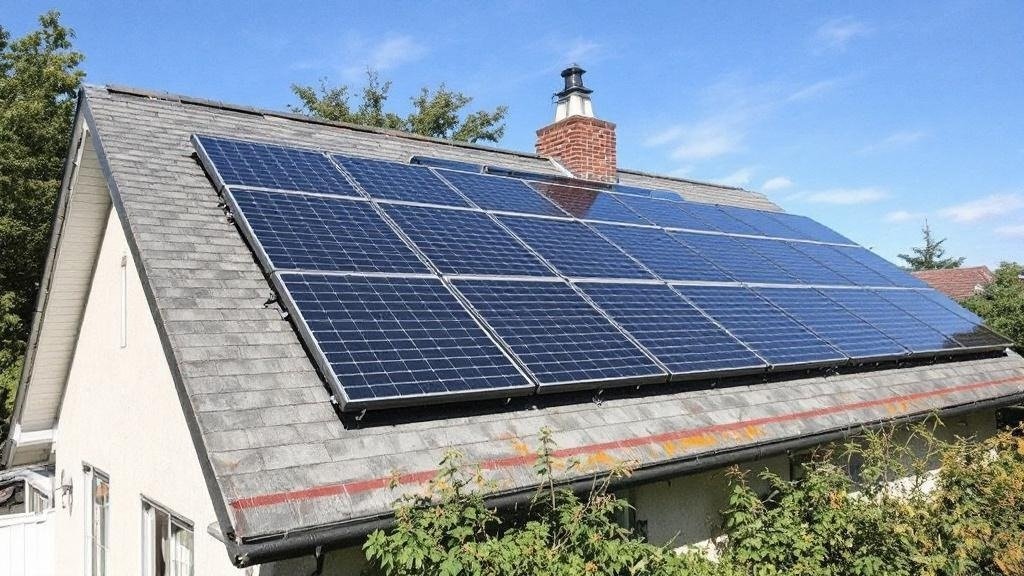
If you can’t position the panel with any rear clearance or reflective surface say you’re bolting it flat to a dark shingle roof you won’t gain much from the bifacial capability. It will still work as a standard mono panel, but you’ll be paying for features you’re not fully using.
Lastly, if you are absolutely brand-new to solar and want an all-in-one kit with charge controller, cables, brackets, and batteries all bundled together, this single-panel package might feel a little bare-bones. It’s best suited for people who either already have some components or are comfortable piecing together a custom system.
Complementing Ideas and Helpful Resources
This ECO-WORTHY 195W panel slots neatly into a lot of small-scale solar projects. If you’re building out solar panels for RV travel and want a complete starter or expansion setup, pairing it with a well-matched charge controller, battery bank, and mounting hardware is essential. You can explore a full step-by-step walk-through and practical wiring examples here: off-grid solar planning guide.
For readers comparing this panel against other compact high-output options, it’s worth looking at how bifacial modules stack up in different environments and seasons. Detailed performance comparisons and objective system design tips are available from trusted resources like NREL, which regularly tests and publishes data on solar technologies in real-world conditions.
If you decide this ECO-WORTHY module fits your needs and you want to check current pricing or reviews, you can find it here: ECO-WORTHY 195W N-Type Bifacial Panel. It often sits at a nice middle ground between budget panels and premium-brand pricing.
For a broader look at balancing panels, batteries, and inverters in a coherent off-grid system, this detailed breakdown can help you size everything correctly and avoid common pitfalls: simple RV and cabin solar sizing guide. And if you’re specifically outfitting a small cabin or shed, this overview walks through practical layouts using one to four panels: compact off-grid shed solar systems.
Finally, if your needs are more marine-focused and you want insights into corrosion resistance, mounting on railings, and wiring safely in a salty environment, this guide will give you configuration ideas and protection tips: boat and marine solar installation tips. With the right mounting and controller choices, this ECO-WORTHY panel can serve as a very capable backbone for a long-lasting small power system.
- [N-Type 18BB High-Efficiency Solar Cells] Newly upgraded 195W N-type bifacial solar panel–with excellent high-temperatur…
- [Dual-Sided Power Generation] This panel captures sunlight from both sides, boosting energy yield by 15%—equaling over 1…
- [30 Years of Durability] Features super-strong tempered glass, corrosion-resistant aluminum & IP68 waterproof rating. 2 …
Your Questions, Answered
Do bifacial solar panels really produce that much more energy than regular panels?
They can, but only when you install them in a way that lets the rear side see reflected light. This ECO-WORTHY 195W N-Type module is rated for about 15% extra yield compared to a similar monofacial panel when it’s raised above a bright, reflective surface such as concrete, sand, snow, or a white RV roof. If you mount it flat and tight against a dark roof, it will still perform well as a standard panel, but you’ll lose most of the bifacial benefit. The rear-side gain also varies by season and location snowy winters or bright desert environments tend to amplify the advantage.
Is the ECO-WORTHY 195W N-Type panel a good choice for RV or camper solar panels?
Yes, it’s a strong fit for many RV and camper setups, especially if you have limited roof space and want to maximize output per panel. The 195W rating, combined with N-type cells and bifacial design, means you can often get more daily watt-hours than from a conventional panel of the same size. Just make sure your RV roof can handle the weight and that you leave some air gap underneath for cooling and rear reflectivity. Pairing it with a quality MPPT controller, appropriate wiring, and a decent battery bank will give you a dependable off-grid system for lights, fans, charging devices, and even a 12V fridge in many cases.
Do I need an MPPT charge controller with this panel, or will a PWM controller work?
Technically, a PWM controller can work, but you’d be leaving a noticeable amount of energy on the table. With a Vmp around 18.3V, an MPPT controller is able to track the panel’s optimal operating point and convert excess voltage into usable charging current for your battery bank. That’s especially important for off grid solar power systems where every watt-hour counts. MPPT controllers also tend to handle series and parallel strings more gracefully, which helps if you later decide to add a second or third panel to expand your system.
How does this panel compare to the most efficient solar panels used on houses?
Residential rooftop systems often use larger-format modules in the 350–450W range, sometimes with top-tier efficiency ratings. Those panels may edge out a single 195W module in absolute efficiency, but they’re designed for a very different use case and physical size. The ECO-WORTHY 195W N-Type panel focuses on delivering high efficiency in a more compact, 12V-friendly format that works well on RVs, boats, sheds, and small structures. If you’re building a big grid-tied system on a full-size roof, dedicated residential modules will usually be more cost-effective per watt. For smaller projects where space and system voltage are constrained, this compact high-output module makes far more sense.
What maintenance does this ECO-WORTHY bifacial panel require over time?
Maintenance is fairly minimal but still important if you want reliable long-term performance. Plan to gently clean the glass surface a few times a year, or more often in dusty, salty, or pollen-heavy environments; use soft water, a mild detergent if needed, and a non-abrasive cloth or sponge. Periodically check mounting brackets, bolts, and wiring runs for corrosion, looseness, or UV damage. On installations meant to exploit the bifacial effect, keep the surface under the panel reasonably clean so it stays reflective. Also monitor your system’s output over time if production drops sharply without an obvious cause, it may point to shading changes, wiring issues, or controller problems rather than a failure of the panel itself.

We are a collective of off-grid enthusiasts, solar technicians, and sustainable living advocates dedicated to making energy independence accessible. From blackout-proofing suburban homes to engineering mobile power for the road, we rigorously test every kit and component we review. Our mission is to help you cut the cord and power your life on your own terms.