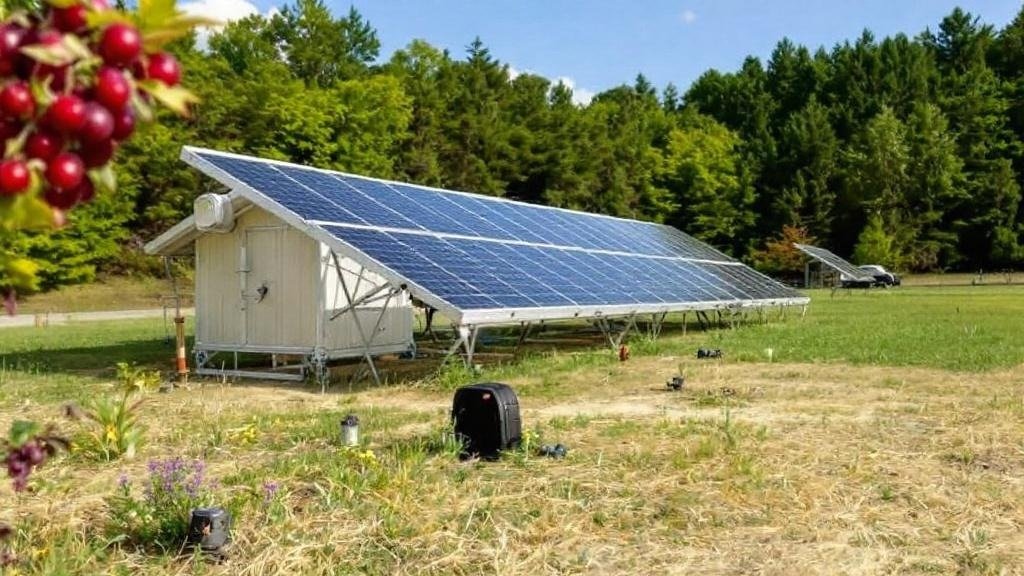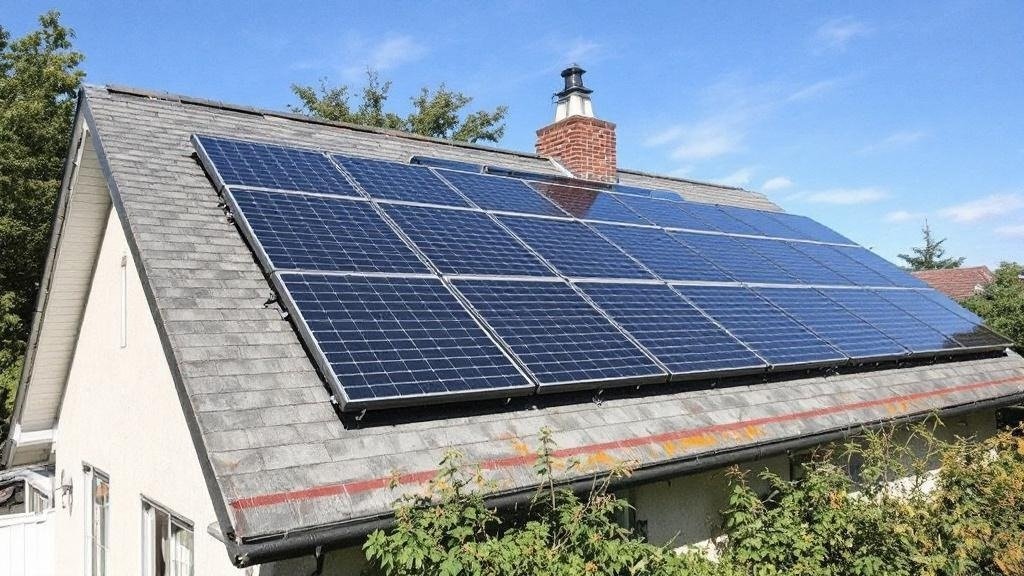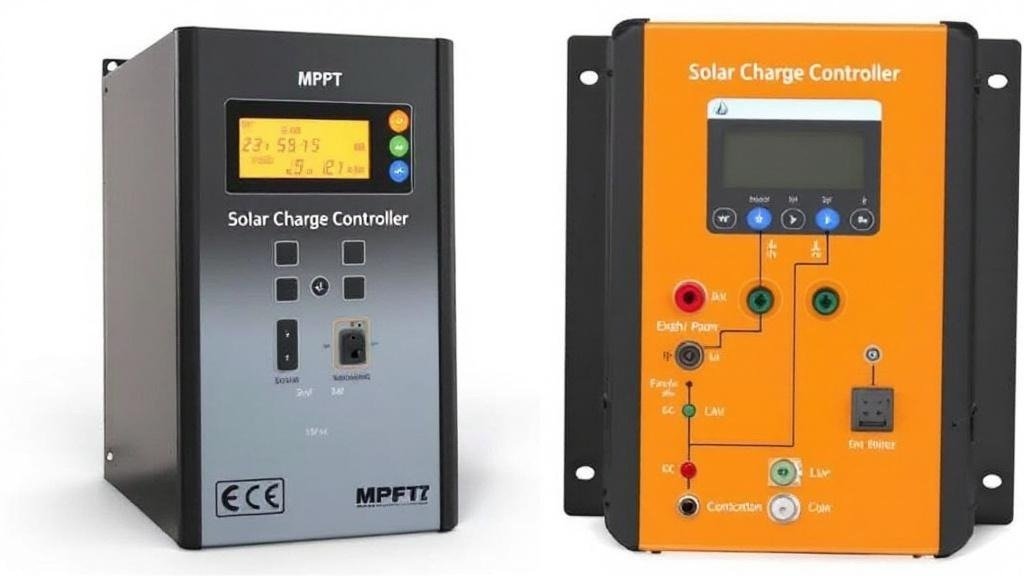



If you’ve been thinking about adding a 200w solar panel setup to your RV, camper, boat, or small off-grid cabin, this Renogy kit is one of those options that keeps popping up in real-world conversations. I’ve seen it show up in van builds, budget DIY solar panels projects, and even as an upgrade path for folks who started with a single 100 watt solar panel and quickly realized it wasn’t quite enough.
In this review, we’ll dig into how these Renogy N-Type 16BB panels actually perform, what stands out in day-to-day use, and where they might not be the best fit. I’ll walk through practical pros and cons, the specs that actually matter when you’re sizing solar panels for off grid living, and a few smart ways to pair this kit with other gear so you’re not stuck reinventing the wheel.
- Unmatched Cell Efficiency – Renogy 100w solar panel features grade A+ cells, delivering an impressive conversion efficie…
- 16BB for Higher Conversion Efficiency & Longer Lifespan – Utilizing advanced 16BB cell technology, this n-type solar pan…
- Enhanced Performance in High Temperatures – Renogy 100 watt solar panel features a low temperature coefficient, minimizi…
Renogy 200W Solar Panel Kit Showcase
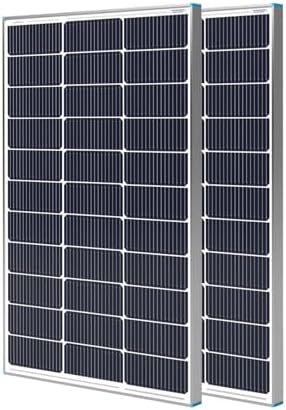
The product name is a mouthful, but at its core this is a two-pack of Renogy N-type monocrystalline panels: 2 x 100W panels that combine into a 200 watt solar panel array. That format alone is a big plus for RV solar panels and compact off-grid setups, because two smaller panels are often easier to mount and angle than one big, awkward slab.
Each panel is rated at 100W, with a max power voltage around 19.97V and a current of 5.01A at optimum operating conditions. In practice, that means one panel can comfortably feed a 12V system through a decent charge controller, and two of them together give you some real headroom for running a fridge, lights, fans, and charging devices without babying your battery bank all day.
Renogy leans heavily on the N-type cell design and 16-busbar (16BB) layout here. That’s not just marketing fluff; it’s tied directly to efficiency and longevity. These panels are advertised at 25% cell efficiency, which is very competitive in this price range, and Renogy claims up to 20W more output than comparable PERC panels of the same size. For tight rooftops where every square inch matters, that extra bit of conversion goes a long way.
The kit doesn’t include mounting hardware or a charge controller by default, so consider it more of a high-quality panel bundle than a full starter kit. That’s ideal if you’re upgrading an existing system or you want the freedom to choose your own MPPT controller and mounting solution rather than being locked into a one-size-fits-all package.
If you just want to jump straight to the product page and check current pricing or reviews, you can find it here: Renogy 200W N-Type Solar Panel Kit.
Pros & Cons
Major Advantages
The biggest strength of this setup is performance per square foot. Thanks to that 25% cell efficiency and N-type design, these panels manage to squeeze more power out of limited roof space than most budget options. For RV solar panels and small boats where mounting real estate is scarce, that can be the difference between comfortably covering your daily energy use and constantly worrying about cloudy days.
The 16BB cell layout is another real-world benefit. More busbars help distribute current more evenly across the cells, which not only bumps conversion efficiency but also reduces the impact of micro-cracks and hot spots. Over years of bumping down dirt roads or flexing slightly on a van roof, that added robustness can pay off in more consistent output instead of a slow, annoying decline.
Renogy also did a solid job on durability. These panels are built with low-iron tempered glass, a corrosion-resistant aluminum frame, and IP65 protection, so they’re designed to shrug off rain, snow, and dust. For solar panels for off grid living, where maintenance isn’t always convenient, that weather resistance matters more than the fancy brochure numbers.
Finally, there’s the long-term reliability claim: low degradation (≤1% in the first year, then ≤0.4% annually) and a 25-year 80% output warranty. While warranties are only as good as the company backing them, Renogy has been around the block and remains one of the better-known names in the DIY solar space, especially for entry-to-mid-level systems.
Potential Drawbacks
That said, this kit isn’t perfect for everyone. First, it’s panels only no charge controller, wiring, or brackets. If you were hoping for a plug-and-play beginner bundle to rival a full 200W starter kit, you’ll need to piece together the rest of your system or opt for something more all-in-one.
Second, while the efficiency is excellent, shading is still a concern. Like most rigid modules, they don’t magically excel in partial shade just because they’re N-type. If you regularly park under trees or have roof clutter (vents, racks, AC units), you’ll still want to plan your layout carefully or combine this with a shading-tolerant setup.
The other trade-off is cost. These aren’t the cheapest panels in the 200W category, especially compared to off-brand imports. You’re paying a bit more for brand support, better efficiency, and a tighter quality-control process. For some users that’s worth it; for absolute bargain hunters doing casual weekend camping, it might feel like overkill.
Lastly, if you’re starting from zero knowledge, there is a small learning curve around series vs. parallel wiring, matching the right charge controller, and sizing your battery bank. The good news is that Renogy provides decent documentation, and there are plenty of guides out there to walk you through a basic build.
- Unmatched Cell Efficiency – Renogy 100w solar panel features grade A+ cells, delivering an impressive conversion efficie…
- 16BB for Higher Conversion Efficiency & Longer Lifespan – Utilizing advanced 16BB cell technology, this n-type solar pan…
- Enhanced Performance in High Temperatures – Renogy 100 watt solar panel features a low temperature coefficient, minimizi…
Description & Real-World Performance
Efficiency and Power Output
On paper, each panel offers 100W at STC (Standard Test Conditions), with an open-circuit voltage of 22.79V and short-circuit current of 5.31A. In real life, nobody gets perfect lab conditions. Expect typical peak outputs closer to 70–90W per panel during good midday sun, depending on temperature, panel angle, and cleanliness.
That’s actually where the N-type cells and low temperature coefficient help. Many budget panels lose a surprising amount of power as they heat up on a dark roof. These Renogy units are designed to minimize that power loss at higher temperatures, which is a quiet but important advantage if you travel or live in hot climates.
The net effect: compared to an older or cheaper 100 watt solar panel, you’re likely to see more usable watt-hours over the course of a summer day. It might not seem dramatic on a single afternoon, but added up over a season, that can mean fewer times you have to fire up a generator or cut back on power usage.
Build Quality and Durability
Physically, each panel measures about 34.1 x 22.8 x 1.2 inches and weighs 13 pounds. That’s compact enough to be manageable on your own, but still substantial enough to feel solid. The frame is made from corrosion-resistant aluminum alloy, which is pretty standard for rigid solar modules in this class.
The front glass is low-iron tempered, meaning it’s designed both for clarity (to maximize light transmission) and impact resistance. It’s not indestructible, but it’s built to cope with hail, heavy rain, and many years of sun exposure. The IP65 rating tells you the junction box is sealed against dust and low-pressure water jets, which is exactly what you want for outdoor installations.
Renogy also integrates bypass diodes to help with hot-spot protection and to reduce the output loss if part of the panel is shaded. This is not a cure-all for bad placement, but it’s better than old-school designs that would lose nearly all power with just a small shaded section.
In the context of long-term use on an RV roof or cabin, this combination of materials, weather resistance, and cell design makes these panels genuinely feel like a multi-year investment rather than a temporary experiment.
Installation and System Compatibility
These panels are marketed as 12V compatible, but that “12V” in the title doesn’t mean the panel’s actual voltage is 12V. It just means they’re intended to work with 12V battery systems via a suitable charge controller. That’s an important distinction if you’re just starting to piece together your first DIY setup.
You can wire the pair in series for higher voltage into an MPPT controller (great for longer wire runs and slightly better efficiency), or in parallel if you’re trying to keep voltage lower for a specific controller or system layout. Renogy’s own documentation walks through the basics of series vs. parallel wiring, and there are plenty of diagrams available online.
Mounting is straightforward: the aluminum frame supports standard Z-brackets, tilt mounts, or custom racks. For RV solar panels, many people bolt them to roof racks or directly to the roof using appropriate sealants around the lag bolts. On a cabin or shed, a simple angled frame facing true south (in the Northern Hemisphere) will do the job.
If you want a full, step-by-step breakdown of how to design and mount a small off-grid array, resources like the U.S. Department of Energy’s solar basics pages can be a helpful reference: DOE solar overview.
- Unmatched Cell Efficiency – Renogy 100w solar panel features grade A+ cells, delivering an impressive conversion efficie…
- 16BB for Higher Conversion Efficiency & Longer Lifespan – Utilizing advanced 16BB cell technology, this n-type solar pan…
- Enhanced Performance in High Temperatures – Renogy 100 watt solar panel features a low temperature coefficient, minimizi…
Specs
Electrical Specifications
- Max Power (Pmax): 100W per panel (200W total in the kit)
- Open Circuit Voltage (Voc): 22.79V
- Short Circuit Current (Isc): 5.31A
- Optimum Operating Voltage (Vmp): 19.97V
- Optimum Operating Current (Imp): 5.01A
- Maximum System Voltage: 600V DC
- Maximum Series Fuse Rating: 15A
- Cell Efficiency: 25%
- Module Efficiency: 20%
These numbers put the panels firmly in the high-efficiency 12V-class category, suitable for both PWM and MPPT controllers, though you’ll get much better production with MPPT especially in colder or variable conditions.
Physical & Environmental Specs
- Dimensions: 34.1 x 22.8 x 1.2 in (865 x 578 x 30 mm)
- Weight: 13.0 lbs (5.9 kg) per panel
- Operating Temperature: -40°F to 194°F (-40°C to 90°C)
- Protection Rating: IP65 (junction box)
- Frame: Corrosion-resistant aluminum alloy
- Front Glass: Low-iron tempered glass
The wide operating temperature range makes these panels viable for everything from winter mountain cabins to scorching desert RV sites. Just remember that all panels perform a bit differently depending on temperature, and these are optimized to lose less power than average as they heat up.
Warranty & Longevity
- Degradation: ≤1% in the first year, ≤0.4% annually after
- Output Warranty: 25-year 80% power output
- Manufacturer Commitment: Renogy-branded support and documentation
In practice, that means you can reasonably expect these panels to still be producing the majority of their original output after a couple of decades if they’re installed correctly and not physically damaged. For most RVers and van lifers, that’s longer than they’ll own the vehicle.
Why We Recommend This 200W Setup
The main reason to recommend this kit is that it strikes a sweet spot between efficiency, durability, and flexibility. You get two compact panels that are easy to position, strong enough to take a beating on the road, and efficient enough to make the most of limited roof space. For many small off-grid systems, 200W is a very practical starting point.
If you’re upgrading from a single older panel, you’ll likely notice the difference not just in raw wattage but in how well your batteries bounce back after a heavy-use night. Paired with a decent MPPT controller and a reliable battery bank, this setup can comfortably run LED lighting, a 12V fridge, fans, and plenty of device charging without constant micromanagement.
We also like that Renogy has built its reputation around the DIY community rather than strictly massive utility-scale solar. That translates into better documentation, more how-to content, and a big base of real user feedback. When you search for help wiring these into a camper or tiny home, you’re not alone; thousands of people have already worked through the same questions.
For shoppers who care about long-term reliability rather than just chasing the cheapest watt, the combination of N-type cells, 16BB layout, and a 25-year 80% output warranty is compelling. You’re paying for a panel that’s designed to stay in service for a long time instead of one you’ll be replacing in a few years because the output dropped more than expected.
If you’re comparing options, it’s worth looking at Renogy’s broader lineup too. For example, their starter kits add controllers and mounting hardware, while other models scale up to bigger arrays. You can browse some of those possibilities here: Renogy N-Type Solar Panels Range.
Who This Is NOT For
Even though this is a solid 200W package, it’s not ideal for everyone. If you only camp a few weekends a year and your power needs are minimal say, a couple of lights and phone charging a simpler, smaller portable panel or folding suitcase setup may be easier and cheaper. Permanent rooftop installations really shine for frequent travelers or those leaning into serious off-grid time.
It’s also not the best first choice if you’re extremely new to electrical systems and want a fully plug-and-play kit with every bracket, fuse, and controller included. In that case, a true beginner starter bundle with pre-matched components will save you a lot of second-guessing and extra trips to the hardware store.
If your energy demands are heavy air conditioning, electric cooking, big inverters, or multiple laptops working all day this 200W array is more of a foundation than a complete solution. You’ll likely want to scale up to 400–600W or beyond, which Renogy and other vendors do support, but that’s a different level of investment and planning.
Finally, if you live or park in heavily shaded environments most of the time, rigid rooftop modules might not make sense at all. In those situations, a movable ground-deployed array that you can chase the sun with, or even a fuel-based backup, could be more practical despite the appeal of solar.
Complementing Ideas & Helpful Resources
To get the most out of a system built around this kit, you’ll want to think beyond just panels and consider the whole energy ecosystem: batteries, controllers, cabling, and realistic usage patterns. Combining a solid 200W roof array with a reliable battery bank and a smart monitoring setup can turn a basic RV or cabin into a genuinely self-sufficient little power plant.
If you’re in the research phase and want to compare this kit to other popular options or learn how people integrate solar into their everyday routines, you might like our broader guide on off-grid gear and energy planning: off-grid living guide. It walks through sizing loads, planning backup, and avoiding some of the most common beginner mistakes.
For readers who are still deciding between fixed roof modules and more portable systems, we also have a comparison that dives into the trade-offs between rigid panels, folding suitcases, and ultra-compact power stations: RV solar panel comparison. It can be a helpful next step before you commit to drilling holes in your roof.
And if you already know you’re ready to build around this specific kit, here’s the direct link again so you don’t have to scroll back up: Renogy 200W N-Type Panel 2-Pack. From there, you can also explore compatible controllers, wiring, and mounting options recommended by the same brand.
For those planning a multi-panel array or long-term homestead installation, it can also be helpful to cross-check general best practices from independent sources like the National Renewable Energy Laboratory: NREL solar resources. That way, you’re combining brand-specific info with neutral, science-based guidance.
Lastly, if your goal is to expand over time starting with a 200W base and adding more panels later consider sketching a simple wiring diagram now. That will make it much easier to add another pair of panels, upgrade your controller, or expand your battery bank without tearing everything apart down the road. A bit of planning now pays off when your power needs inevitably grow.
When you’re ready to take the plunge, you can check current pricing and availability here: see the Renogy 200W kit on Amazon.
- Unmatched Cell Efficiency – Renogy 100w solar panel features grade A+ cells, delivering an impressive conversion efficie…
- 16BB for Higher Conversion Efficiency & Longer Lifespan – Utilizing advanced 16BB cell technology, this n-type solar pan…
- Enhanced Performance in High Temperatures – Renogy 100 watt solar panel features a low temperature coefficient, minimizi…
Your Questions, Answered
Is a 200W solar panel setup enough for full-time RV living?
A 200W solar panel setup can be enough for minimalist full-time RV living if your energy needs are modest LED lights, a 12V fridge, fans, device charging, and maybe a small inverter for light AC loads. The key is pairing it with sufficient battery capacity (typically at least 100–200Ah of usable lithium or 200–300Ah of AGM) and a quality MPPT charge controller. If you work remotely, run a large inverter often, or use power-hungry appliances like microwaves or induction cooktops, you’ll likely want 400–600W or more. Many RVers start with 200W, track their real-world usage for a few months, and then decide whether to add more panels to reach a more comfortable buffer.
What kind of battery bank works best with this Renogy 200W kit?
This Renogy 200W panel kit pairs well with both AGM and lithium batteries, but lithium (LiFePO4) generally offers the most usable capacity and lifespan. For weekend or light-use trips, a 100Ah lithium or 200Ah AGM bank is a reasonable match. For heavier or full-time use, many people step up to 200–300Ah of lithium. The important part is to size the battery bank based on your daily energy consumption (in watt-hours) and then ensure your solar array can reasonably recharge that use on an average day. Renogy’s own calculators and other online tools can help you match panel wattage, battery capacity, and your specific loads.
Can I expand beyond 200W later if I start with this kit?
Yes, the Renogy N-type panels are designed to be modular, so you can add more panels later as long as your charge controller and wiring are sized appropriately. The most common path is to start with two 100W panels, then add another pair for a 400W array when your budget or needs grow. When planning expansion, choose an MPPT controller with extra capacity and design your wiring for the maximum expected current and voltage. It’s also smart to keep future mounting locations in mind so you don’t end up with shaded or awkward placements for additional panels.
How do these panels compare to cheaper no-name 100W panels?
Compared to many no-name 100W panels, the Renogy N-type modules typically offer higher cell efficiency, better construction, and stronger long-term support. The 25% cell efficiency and 16-busbar design are aimed at both higher output and lower degradation over time. With off-brand panels, quality control can be inconsistent two panels with the same label don’t always perform the same in real-world conditions. You may save a bit upfront with generic hardware, but you risk lower actual output, faster performance drop-off, and weaker warranty coverage if something goes wrong. For most people who rely on their system daily, the added reliability of a reputable brand is worth the modest price difference.
What are the main pros and cons of solar panels for off grid living?
The main pros of solar panels for off grid living are independence from the utility grid, low operating costs once installed, quiet operation with no fuel, and relatively low maintenance. They pair especially well with efficient appliances and good insulation to create a comfortable, self-reliant setup. The cons include higher upfront cost, dependence on weather and seasonal sunlight, the need for batteries and electronics that add complexity, and limited power for very high-demand loads like central AC or electric heating. For many off-grid households, the solution is a hybrid approach solar for everyday use, backed up by a generator or alternative energy source for extended cloudy periods or peak-demand situations.

We are a collective of off-grid enthusiasts, solar technicians, and sustainable living advocates dedicated to making energy independence accessible. From blackout-proofing suburban homes to engineering mobile power for the road, we rigorously test every kit and component we review. Our mission is to help you cut the cord and power your life on your own terms.