

If you’re putting together a small off‑grid setup, RV system, or just trying to squeeze the most from your foldable solar panel and batteries, the charge controller you choose matters more than most people think. I’ve seen systems with great panels and expensive batteries underperform badly simply because the controller was either oversized, too basic, or just a poor match for the way the system was used.
The Renogy Wanderer 10A PWM charge controller is one of those little workhorse devices that quietly does its job in the background. On paper, it looks like a budget controller with a few nice extras. In practice, it feels like a very deliberate middle ground between cheap “no‑name” boxes and the pricey, advanced MPPT units that many people simply don’t need for a compact setup.
Below I’ll walk through how it performs in real-world use, what it does well, where it falls short, and who will actually benefit from choosing it over other options. We’ll also look at how it pairs with portable solar panels, RV solar panels, and even some of the best portable power station options on the market.

- 𝐒𝐦𝐚𝐫𝐭 𝟒-𝐒𝐭𝐚𝐠𝐞 12V/24V Solar Charge Controller: Renogy charge controller 𝐦𝐚𝐱𝐢𝐦𝐢𝐳𝐞𝐬 𝐁𝐚𝐭𝐭𝐞𝐫𝐲 𝐋𝐢𝐟𝐞 & 𝐒𝐨𝐥𝐚𝐫 𝐄𝐟𝐟𝐢𝐜𝐢𝐞𝐧𝐜𝐲, this …
- 𝐀𝐝𝐯𝐚𝐧𝐜𝐞𝐝 𝐋𝐨𝐚𝐝 𝐌𝐚𝐧𝐚𝐠𝐞𝐦𝐞𝐧𝐭 & 𝐒𝐲𝐬𝐭𝐞𝐦 𝐏𝐫𝐨𝐭𝐞𝐜𝐭𝐢𝐨𝐧:Renogy Wanderer 10A charger controller offers 𝐮𝐧𝐩𝐚𝐫𝐚𝐥𝐥𝐞𝐥𝐞𝐝 𝐟𝐥𝐞𝐱𝐢𝐛𝐢𝐥𝐢𝐭𝐲 with…
- 𝐇𝐢𝐠𝐡-𝐄𝐟𝐟𝐢𝐜𝐢𝐞𝐧𝐜𝐲 Renogy Solar Power Controller: 𝐈𝐧𝐝𝐮𝐬𝐭𝐫𝐲-𝐋𝐞𝐚𝐝𝐢𝐧𝐠 <𝟏𝟎𝐦𝐀 𝐒𝐞𝐥𝐟-𝐂𝐨𝐧𝐬𝐮𝐦𝐩𝐭𝐢𝐨𝐧, unlike standard charge controlle...
Product Showcase: Renogy Wanderer 10A Charge Controller for foldable solar panel setups
The product we’re looking at here is the Renogy Wanderer 10 Amp 12V/24V PWM Negative Ground Solar Charge Controller. That’s a mouthful, but in simple terms it’s a compact controller designed to sit between your solar panels and your batteries, protecting your system and optimizing charging without adding a lot of complexity.
Renogy positions this as a cost-effective, feature-rich controller for small off-grid and mobile systems. It supports 12V and 24V battery banks, works with AGM, Gel, flooded, and lithium batteries, and includes a surprisingly capable LCD screen for real-time system information and error codes. You also get load control modes, basic automation for lights or pumps, and a handy USB port for direct device charging.
What stands out right away is how small it is. At roughly 5.2 x 3.1 inches, it tucks neatly into an RV electrical cabinet, a camper van wall panel, or even the side of a DIY power box. The negative-ground design also makes it more compatible with RV and marine wiring standards, which is something a lot of lower-end controllers don’t always handle well.
If you want to check current pricing and reviews, you can find it on Amazon here: Renogy Wanderer 10A controller.
Pros & Cons
Key Advantages
First, the 4-stage smart charging is genuinely useful. Many cheap controllers just slam current into your battery until they hit a rough voltage cutoff. The Wanderer instead uses Bulk, Boost, Float, and Equalization stages, which helps extend battery life and keeps performance consistent, especially for AGM and flooded batteries. Renogy claims up to 30% longer lifespan compared to basic controllers, and while that’s hard to measure precisely, the charging behavior is clearly more refined.
Second, the self-consumption is impressively low. With less than 10mA of draw, the controller is not quietly draining your battery bank when you’re parked in the shade or storing your rig. This is one of those little details that doesn’t sound huge on paper but matters a lot for people who leave their systems idle for stretches or rely on smaller batteries.
Third, the load control is more versatile than you’d expect at this price. You can choose manual, automatic, or timed modes, and set up behavior that’s particularly handy for lighting (like dusk-to-dawn), pumps, or small DC appliances. Combined with the LCD error codes, you get clear feedback if something’s not right overcharge, over-discharge, short circuit, reverse polarity, and more.
Drawbacks and Limitations
The biggest limitation is right in the name: 10A. That’s perfectly fine for modest systems, but it’s not designed to handle large arrays. If you’re planning more than roughly 130W–150W at 12V (or double that at 24V), you’ll quickly bump into that current ceiling. For larger RV solar panels or cabin builds, you’ll either need multiple controllers or a beefier unit.
Another point to be aware of is that it’s PWM, not MPPT. For simple setups, the difference might not be dramatic, but in colder climates, longer wire runs, or higher-voltage panel configurations, MPPT can squeeze more efficiency from your array. If you’re trying to maximize every watt from premium panels, or you’re running a more complex system, you may want to step up to an MPPT controller instead.
Lastly, the RS232 port that enables app-based monitoring requires an extra Bluetooth module that’s sold separately. It’s a nice option, but if remote monitoring is critical for you, factor in that extra cost and complexity. And like many compact controllers, the terminals are tight, so working with larger gauge wire can be a little fiddly.
- 𝐒𝐦𝐚𝐫𝐭 𝟒-𝐒𝐭𝐚𝐠𝐞 12V/24V Solar Charge Controller: Renogy charge controller 𝐦𝐚𝐱𝐢𝐦𝐢𝐳𝐞𝐬 𝐁𝐚𝐭𝐭𝐞𝐫𝐲 𝐋𝐢𝐟𝐞 & 𝐒𝐨𝐥𝐚𝐫 𝐄𝐟𝐟𝐢𝐜𝐢𝐞𝐧𝐜𝐲, this …
- 𝐀𝐝𝐯𝐚𝐧𝐜𝐞𝐝 𝐋𝐨𝐚𝐝 𝐌𝐚𝐧𝐚𝐠𝐞𝐦𝐞𝐧𝐭 & 𝐒𝐲𝐬𝐭𝐞𝐦 𝐏𝐫𝐨𝐭𝐞𝐜𝐭𝐢𝐨𝐧:Renogy Wanderer 10A charger controller offers 𝐮𝐧𝐩𝐚𝐫𝐚𝐥𝐥𝐞𝐥𝐞𝐝 𝐟𝐥𝐞𝐱𝐢𝐛𝐢𝐥𝐢𝐭𝐲 with…
- 𝐇𝐢𝐠𝐡-𝐄𝐟𝐟𝐢𝐜𝐢𝐞𝐧𝐜𝐲 Renogy Solar Power Controller: 𝐈𝐧𝐝𝐮𝐬𝐭𝐫𝐲-𝐋𝐞𝐚𝐝𝐢𝐧𝐠 <𝟏𝟎𝐦𝐀 𝐒𝐞𝐥𝐟-𝐂𝐨𝐧𝐬𝐮𝐦𝐩𝐭𝐢𝐨𝐧, unlike standard charge controlle...
Description
Smart 4-Stage Charging
At the heart of the Wanderer is its 4-stage charging algorithm. In Bulk mode, it pushes as much current as the panels and system allow, bringing the battery up quickly. During Boost, it carefully tops off to a safe upper voltage, then drops to Float to maintain charge without over-stressing the battery. Equalization is used periodically for compatible flooded batteries to stir the electrolyte and prevent stratification.
In real use, this feels very “set and forget.” Once you’ve set the battery type, the controller automatically runs through these stages based on battery voltage and temperature. For anyone who’s watched cheap controllers overcharge or undercharge batteries, this is a refreshing upgrade that doesn’t require you to babysit the system.
Battery Compatibility and Safety Features
One nice surprise is the wide battery support. Whether you’re using a basic sealed lead-acid battery, an AGM bank, older flooded cells, or a newer lithium battery, the Wanderer has appropriate settings. Lithium does require manual activation tweaks, but given the price range, that’s actually more flexibility than many competitors offer.
Safety-wise, it includes protections you really want when you’re wiring things yourself: overcharge, over-discharge, overload, short-circuit, and reverse polarity. Temperature compensation helps avoid overcharging in summer heat and undercharging in winter. Combined, these features reduce the chances of a wiring mistake or weather swing turning into a costly battery failure.
Monitoring and User Interface
The backlit LCD isn’t flashy, but it’s practical. You can see voltage, current, charging status, load status, and error codes at a glance. The buttons let you navigate settings without needing a phone or laptop. This alone makes it feel more approachable than those controllers that only show a cryptic flashing LED.
If you want to get fancier, the RS232 port lets you add Renogy’s BT-1 Bluetooth module and monitor your system through the Renogy DC Home app. That’s useful if your controller is mounted in a basement compartment or tucked away in an RV cabinet where you can’t easily see the screen.
Physical Build and Durability
The casing is a rugged aluminum housing with an IP32 rating. That means it’s resistant to drips and some dust, but it’s not meant to be left out in the rain. It’s ideal for protected but not perfectly sealed spaces: inside van cabinetry, RV storage bays, marine cabins, or shed walls.
The negative ground design is especially helpful in RV and marine environments where chassis grounding is standard. It integrates more cleanly with existing wiring and reduces odd grounding conflicts you sometimes get with positive-ground or floating systems.
Everyday Convenience Features
A small but genuinely useful feature is the 5V/2A USB port. For people running small systems say a battery, a foldable solar panel, and this controller you can power phone or tablet charging directly from the controller without a separate adapter. Is it going to run a laptop? No. But it’s more than enough to keep your phone topped off while camping or boondocking.
Pair that with the compact footprint, and it becomes a very appealing core for a DIY power box or a simple off-grid lighting system. You don’t need to build out a full RV electrical panel to put it to good use.
Specs
Core Electrical Specifications
The Wanderer is rated for 10A maximum charging current. It supports both 12V and 24V battery systems, automatically detecting the voltage once connected. Practically, that means it’s suited to smaller single or dual-battery banks and modest panel arrays, not full residential-style setups.
Self-consumption is under 10mA, which is excellent for maintaining system efficiency. This low parasitic draw is especially relevant if you’re relying on intermittent sun and small batteries, such as in portable solar panels paired with a compact power bank or DIY power station.
Battery and System Compatibility
Supported battery types include AGM, Gel, flooded lead-acid, and lithium (with manual activation settings). The temperature compensation feature automatically tweaks charging voltages as conditions change, helping preserve battery life over the long term.
The controller is designed for negative-ground systems, making it friendly for most RV solar panels, small marine installations, and vehicle-based setups where the chassis acts as a common ground. That reduces headaches when integrating DC lighting, fans, or 12V accessories that expect a negative-ground standard.
Physical and Environmental
Physically, it measures about 5.2 x 3.1 inches and has an IP32 rating for environmental protection. It’s meant to live indoors or in semi-sheltered spaces rather than directly on an exterior wall or exposed mast. The housing is built to withstand normal bumps and vibration you’d expect in a van or RV environment.
The operating temperature range is broad enough to cover most common camping, RV, and shed scenarios. While you still want to avoid extreme heat or direct sun on the controller itself, it’s clearly built with outdoor-adjacent use in mind rather than delicate, indoor-only gear.
- 𝐒𝐦𝐚𝐫𝐭 𝟒-𝐒𝐭𝐚𝐠𝐞 12V/24V Solar Charge Controller: Renogy charge controller 𝐦𝐚𝐱𝐢𝐦𝐢𝐳𝐞𝐬 𝐁𝐚𝐭𝐭𝐞𝐫𝐲 𝐋𝐢𝐟𝐞 & 𝐒𝐨𝐥𝐚𝐫 𝐄𝐟𝐟𝐢𝐜𝐢𝐞𝐧𝐜𝐲, this …
- 𝐀𝐝𝐯𝐚𝐧𝐜𝐞𝐝 𝐋𝐨𝐚𝐝 𝐌𝐚𝐧𝐚𝐠𝐞𝐦𝐞𝐧𝐭 & 𝐒𝐲𝐬𝐭𝐞𝐦 𝐏𝐫𝐨𝐭𝐞𝐜𝐭𝐢𝐨𝐧:Renogy Wanderer 10A charger controller offers 𝐮𝐧𝐩𝐚𝐫𝐚𝐥𝐥𝐞𝐥𝐞𝐝 𝐟𝐥𝐞𝐱𝐢𝐛𝐢𝐥𝐢𝐭𝐲 with…
- 𝐇𝐢𝐠𝐡-𝐄𝐟𝐟𝐢𝐜𝐢𝐞𝐧𝐜𝐲 Renogy Solar Power Controller: 𝐈𝐧𝐝𝐮𝐬𝐭𝐫𝐲-𝐋𝐞𝐚𝐝𝐢𝐧𝐠 <𝟏𝟎𝐦𝐀 𝐒𝐞𝐥𝐟-𝐂𝐨𝐧𝐬𝐮𝐦𝐩𝐭𝐢𝐨𝐧, unlike standard charge controlle...
Why We Recommend the Renogy Wanderer 10A
The main reason to recommend this controller is that it hits a practical sweet spot between price, capability, and reliability. It’s not the cheapest option out there, but once you factor in the smart 4-stage charging, the safety protections, and the solid build quality, it quickly becomes clear why many people feel more comfortable trusting their batteries to this instead of a no-name budget unit.
For small off-grid cabins, weekend RVers, vanlifers running modest loads, and anyone building a compact portable system, you often don’t need a larger, complex MPPT controller. What you do need is predictable performance and decent data about what’s going on with your system. The Wanderer delivers exactly that, without requiring you to be an electrical engineer to understand it.
Another reason it stands out is its versatility with storage and charging strategies. You can pair it with a single 100Ah AGM battery, a couple of smaller lithium packs, or an older flooded battery bank, and it will adapt. If you like experimenting with different battery types as you upgrade over time, that flexibility is valuable.
Finally, it plays nicely with portable gear. While a lot of people are drawn to the best portable power station units for sheer convenience, a Wanderer-based setup with a dedicated battery and a compact controller can be both more affordable and more customizable in the long run. It’s a great way to step into solar without overcommitting to a highly integrated, sealed system.
Target Audience: Who This Is NOT For
This controller is not for large, power-hungry systems. If you’re trying to run air conditioning, electric heaters, multiple fridges, or a heavy workshop off solar, you’ll be frustrated by the 10A limit. In that situation, a higher-capacity MPPT controller and a much larger array would be the better route.
It’s also not ideal if you’re strictly chasing maximum efficiency and performance from higher-voltage arrays. Serious, full-time off-grid homes or heavy-use rigs often benefit from controllers that can handle more current and voltage with MPPT technology, especially in colder climates where panel voltage spikes.
Lastly, if you absolutely require fully integrated, app-first monitoring out of the box, this may feel a bit modest. The Bluetooth option is add-on, not built-in. Some people prefer an all-in-one unit where the app interface is the primary control surface, and in that case a more premium controller might make more sense.
Complementing Ideas
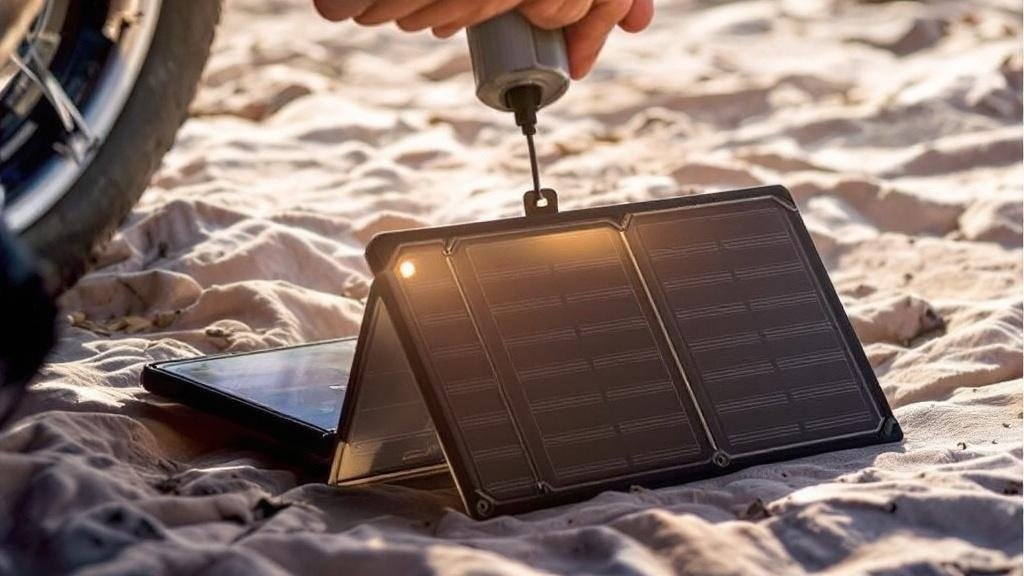
To get the most from a setup using this controller, pairing it with a quality foldable solar panel and a well-sized battery bank is key. For campers and RV owners, matching this controller with compact rv solar panels or a portable kit can create a flexible system that works both at a campsite and in storage.
If you’re comparing this kind of modular setup to an all-in-one solution, it’s worth reading more about how standalone batteries and controllers stack up against power stations. You can explore related system planning and usage tips in our guide to off-grid power and RV energy management: off-grid RV solar guide.
We also cover ways to integrate small controllers and portable solar panels with home emergency backup gear and existing batteries in our broader solar backup article: solar backup ideas. Together, those resources can help you decide whether a modular controller-based system or a plug-and-play box fits your style better.
If you’re ready to take a closer look at this controller, you can see current pricing and user feedback here: Renogy Wanderer 10A PWM controller. For those wanting a full, small-system bundle, Renogy often pairs similar controllers with panel kits, which you can browse from their brand page on Amazon: Renogy official store.
If you prefer to keep your setup as simple as possible, another approach is to use the controller with a dedicated 12V battery and then feed a separate power box or small inverter for AC loads. There are also compact options designed to complement small controllers like this one, as you can see here: Renogy-compatible solar kits. For people just starting out, this can be a comfortable way to learn the basics while keeping costs under control.
For anyone who values flexibility over a sealed solution, this little controller becomes the heart of a system you can expand slowly over time, adding more panels, better batteries, or even integrating with a more advanced power station later as your needs evolve. You’re not locked into one single format, which is one of the reasons it has become such a popular entry point into DIY solar.
- 𝐒𝐦𝐚𝐫𝐭 𝟒-𝐒𝐭𝐚𝐠𝐞 12V/24V Solar Charge Controller: Renogy charge controller 𝐦𝐚𝐱𝐢𝐦𝐢𝐳𝐞𝐬 𝐁𝐚𝐭𝐭𝐞𝐫𝐲 𝐋𝐢𝐟𝐞 & 𝐒𝐨𝐥𝐚𝐫 𝐄𝐟𝐟𝐢𝐜𝐢𝐞𝐧𝐜𝐲, this …
- 𝐀𝐝𝐯𝐚𝐧𝐜𝐞𝐝 𝐋𝐨𝐚𝐝 𝐌𝐚𝐧𝐚𝐠𝐞𝐦𝐞𝐧𝐭 & 𝐒𝐲𝐬𝐭𝐞𝐦 𝐏𝐫𝐨𝐭𝐞𝐜𝐭𝐢𝐨𝐧:Renogy Wanderer 10A charger controller offers 𝐮𝐧𝐩𝐚𝐫𝐚𝐥𝐥𝐞𝐥𝐞𝐝 𝐟𝐥𝐞𝐱𝐢𝐛𝐢𝐥𝐢𝐭𝐲 with…
- 𝐇𝐢𝐠𝐡-𝐄𝐟𝐟𝐢𝐜𝐢𝐞𝐧𝐜𝐲 Renogy Solar Power Controller: 𝐈𝐧𝐝𝐮𝐬𝐭𝐫𝐲-𝐋𝐞𝐚𝐝𝐢𝐧𝐠 <𝟏𝟎𝐦𝐀 𝐒𝐞𝐥𝐟-𝐂𝐨𝐧𝐬𝐮𝐦𝐩𝐭𝐢𝐨𝐧, unlike standard charge controlle...
Your Questions, Answered
Can I use the Renogy Wanderer 10A with a foldable solar panel for camping?
Yes, the Renogy Wanderer 10A pairs very well with a foldable solar panel for camping or overlanding. As long as the panel’s voltage matches your 12V or 24V system and the current stays within the controller’s 10A limit, you can safely connect the panel to the Wanderer and then to your battery. Many people build compact camping power boxes this way: a foldable panel outside in the sun, the Wanderer handling battery charging, and a small inverter or DC loads running from the battery. Just be sure to keep the controller in a dry, protected spot and use appropriately sized fuses and wire for safety.
Is the Wanderer 10A PWM or MPPT, and what does that mean for performance?
The Wanderer 10A is a PWM (Pulse-Width Modulation) charge controller. PWM units are simpler and more affordable than MPPT controllers, but they generally capture a bit less energy from the panels, especially when the panel voltage is significantly higher than the battery voltage or in very cold conditions. For small systems with modest panel sizes, PWM is usually perfectly adequate and easier on the budget. If you plan to run larger arrays, higher voltages, or want to squeeze every last watt out of your system, a higher-capacity MPPT controller might be a better fit.
Can I charge lithium batteries with the Renogy Wanderer 10A?
Yes, the Wanderer 10A supports lithium batteries, but it does require manual activation and configuration of the appropriate settings. Once set correctly, it can manage charging for many common 12V lithium iron phosphate (LiFePO4) batteries within its current limit. Always double-check the recommended charge voltages from your battery manufacturer and confirm that they match the controller’s available settings. If you’re using a battery with a built-in BMS, the Wanderer works primarily as the charging stage, while the BMS handles cell-level protection.
How many watts of solar can I safely connect to the Wanderer 10A?
At 12V, a 10A controller typically supports around 130W–150W of solar safely, and at 24V it can handle roughly double that, assuming normal operating conditions. You don’t want the array’s output current to exceed 10A at the system voltage. Always check the panel’s short-circuit current (Isc) and maximum power current (Imp) ratings, add a little safety margin, and size your array accordingly. If you find yourself planning more panels than that, it’s a sign you should consider a higher-amp controller to avoid bottlenecking your system.
Do I still need a charge controller if I already have one of the best portable power station units?
If your portable power station has a built-in solar charge controller, you typically connect panels directly to the station and do not add another controller in between. However, if you’re running a separate 12V battery bank in addition to your power station, then a dedicated controller like the Wanderer 10A is useful for that standalone battery system. Some people use a power station for plug-and-play AC and USB loads while maintaining a separate, more traditional battery bank with its own controller for DC loads or long-term storage. In that case, the power station and the Wanderer each manage their own charging independently.

We are a collective of off-grid enthusiasts, solar technicians, and sustainable living advocates dedicated to making energy independence accessible. From blackout-proofing suburban homes to engineering mobile power for the road, we rigorously test every kit and component we review. Our mission is to help you cut the cord and power your life on your own terms.