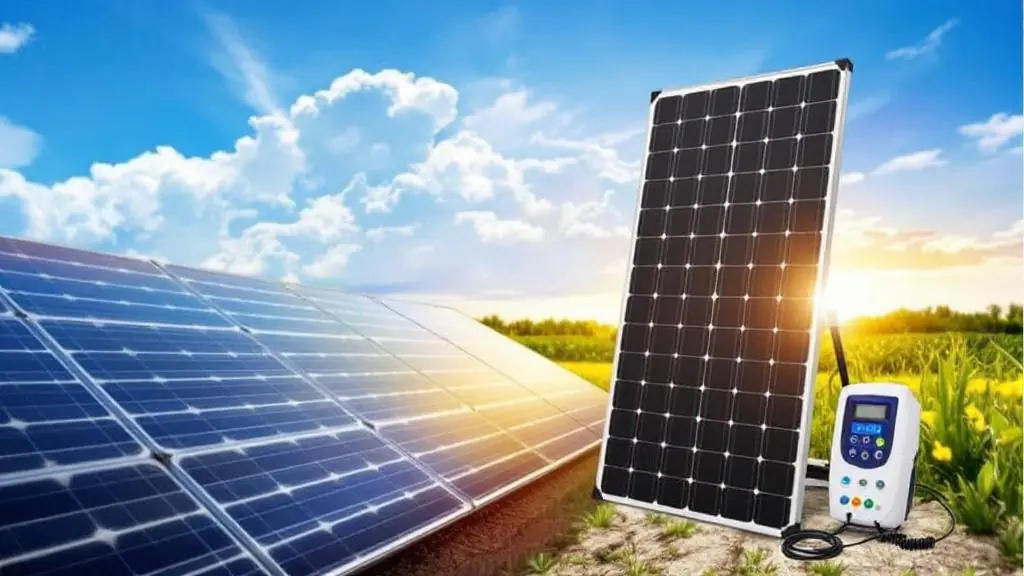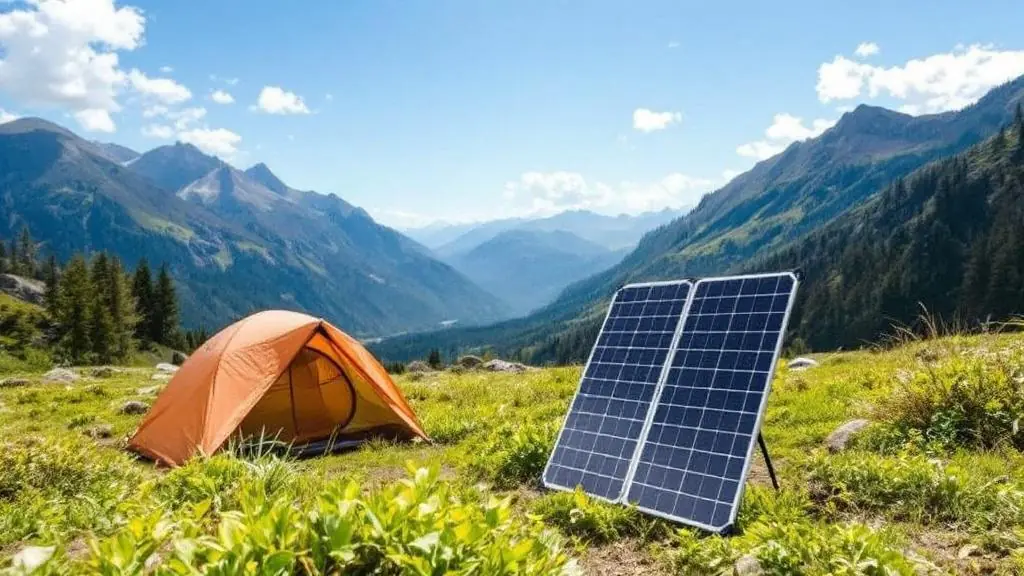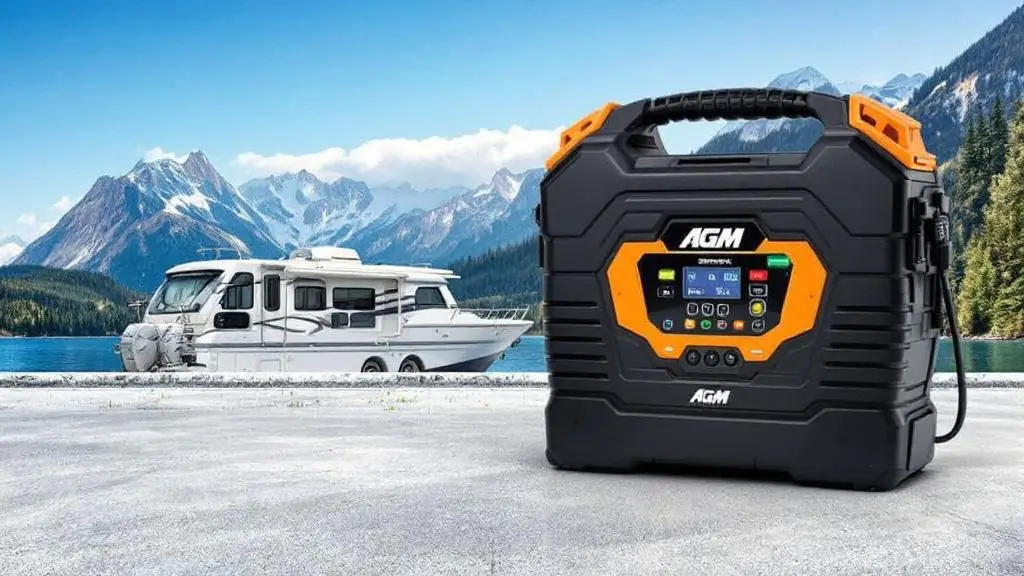



If you’ve been hunting for the best portable power station that doesn’t feel like overkill for casual camping, road trips, or basic home backup, the Westinghouse iGen160s is one of those units that quietly grows on you the more you use it. It’s not a giant whole-house backup system, and it doesn’t pretend to be. Instead, it focuses on being compact, simple, and surprisingly capable for its size.
In this review, I’ll walk you through what it’s actually like to live with this little power station: where it shines, where it’s limited, and who will get the most value from it. I’ll also share some practical use cases, like running lights during an outage, keeping phones and laptops topped up while traveling, or pairing it with a small panel as a basic portable solar power station.

- Perfect for camping hiking hunting fishing road trips tailgating music festivals or outdoor parties| Great for emergency…
Product Showcase: Westinghouse iGen160s Portable Power Station
The iGen160s is Westinghouse’s compact 155Wh lithium portable station designed for grab-and-go power. Think of it as a serious upgrade from a basic power bank, with AC outlets, DC ports, and multiple USB options, yet still light enough to toss into a backpack without thinking twice. It’s rated for 100 running watts and 150 peak watts, so it’s clearly built with small electronics in mind rather than high-draw appliances.
Where it really stands out is the balance between size and flexibility. At just 3.75 lbs, you’re getting a power source that can charge up to nine devices at once, power LED lights for up to 40 hours, and even help with short CPAP runs in a pinch. For camping, festivals, or an overnight road trip, that’s often all you realistically need.
If you want to check latest pricing or specs direct from the source, you can see it on Amazon here. Just keep in mind the included package does not come with a solar panel, so you’ll need to add that separately if you’re building a small solar setup.
Pros & Cons
What This Little Westinghouse Gets Right
First, the size-to-utility ratio is excellent. At under four pounds, you’re getting dual AC outlets, four USB ports (including USB-C and Quick Charge 3.0), and three 12V DC outputs. In real-world terms, that means one unit can handle phones, tablets, a small fan, LED string lights, a camera, and maybe even a compact projector all at once. It’s the kind of device that disappears into your gear until you suddenly realize it’s powering half your camp.
The built-in lighting is a genuinely useful touch. The reading light and dual-mode flashlight sound gimmicky on paper, but during a power outage or in a tent, not having to juggle a separate lantern can be a relief. You set the station down where you want light and leave it there, while the ports quietly handle your charging needs.
I also appreciate that Westinghouse went with a lithium-ion battery that’s maintenance-free and longer-lasting than older chemistries. You’re not dealing with fumes, fuel, or noise, and you don’t have to baby it like a small gas generator. For indoor use bedroom, office, dorm, or RV interior that’s huge.
Where the iGen160s Comes Up Short
The main limitation is obvious once you see the numbers: 100 running watts with 150 peak watts means this is not the best solar generator for home backup if you’re imagining running appliances like microwaves, coffee makers, or full-size fridges. It’s designed for electronics and light loads, not heavy-duty gear. If you push it past that, you’ll hit overload protection quickly.
The AC output is modified sine wave, not pure sine wave. Many basic chargers and small devices are fine with that, but some sensitive electronics and certain power adapters prefer pure sine wave for maximum safety and efficiency. If you plan to run high-end audio gear or more delicate medical equipment, that’s a detail to take seriously.
Finally, while it supports solar charging (DC 13V–25V/2A Max), you don’t get a panel in the box. That’s not unusual at this price point, but if your goal is a complete plug-and-play solar generator for rv camping, you’ll need to budget for a compatible panel. You can start by browsing compact panels from reputable sources like REI or comparing kit options through Energy.gov guides before buying.
- Perfect for camping hiking hunting fishing road trips tailgating music festivals or outdoor parties| Great for emergency…
Description & Real-World Usage
Everyday Off-Grid Companion
Westinghouse positions the iGen160s as an off-grid portable generator for camping, hiking, tailgating, festivals, and light home backup, and that’s exactly where it fits best. In day-to-day use, it behaves more like a tiny, quiet power hub than a “generator” in the traditional sense. No startup, no choke, no fumes just press the power button, toggle AC or DC, and plug in.
For short trips, it’s almost effortless. Toss it in the trunk with your cooler and camp chairs, and you’ve got a dedicated power source for your phones, Bluetooth speakers, headlamps, and camera batteries all weekend. The fact that it’s this portable yet houses a 155Wh battery means you rarely feel like you’re micromanaging every watt-hour, as long as you’re using efficient devices.
As a backup around the house, it’s ideal for “comfort power” rather than life-support systems. Think keeping the Wi‑Fi router online, running a lamp, and charging a couple of phones so you’re not stumbling around in the dark during a short outage. If your view of the best portable power station is something that helps ride out a storm comfortably, not power the whole house, the iGen160s fits that brief.
Charging Performance & Options
Westinghouse claims the unit can recharge in as little as six hours using the included wall charger or car charger, and that lines up with what you’d expect for a 155Wh pack under typical charging rates. That means you can top it up during a drive, plug it in at a cabin, or pair it with a small panel when the sun is out. It’s not designed for ultra-fast charging, but it doesn’t need to be for its capacity.
The port selection is what makes the station feel flexible. You’ve got two standard USB ports, a USB‑C, and a Quick Charge 3.0 port enough to handle a modern family’s devices without adapters everywhere. The DC outputs and AC outlets then cover little extras like LED strips, mini coolers (within power limits), or small fans.
One underrated benefit: you can run and charge at the same time. That means you can leave it hooked to a solar panel or wall outlet while still powering devices, essentially turning it into a small uninterruptible power hub for your essentials.
Safety, Protection, and Peace of Mind
Given that this is likely to be used indoors, in tents, or near kids and pets, the built-in protection features matter. The iGen160s includes low-voltage protection, short-circuit protection, and overload protection. In practice, that means if you accidentally plug in something that’s too power-hungry, the station protects both itself and your gear.
The easy-to-read LCD display is another small but important detail. It keeps all your basic status info in one place battery level, active outputs, and so on so you’re not guessing how much energy you have left. Once you’ve used it a few times, managing your usage becomes second nature, and you can roughly predict how long it’ll last with certain setups.
Overall, it gives off a “set it and forget it” vibe. You charge it, you store it, and when you need it, it’s ready without having to remember fuel stabilizers or pull-start tricks like with a gas model.
Specs
Power & Capacity
- Battery capacity: 155Wh (often marketed as 155Wh / 150 peak watts)
- Output rating: 100 running watts, 150 peak watts
- Battery type: Lithium-ion, maintenance-free
- AC output: Modified sine wave
- Solar input: DC 13V–25V, up to 2A (panel not included)
Ports & Outputs
- 2 x 120V household AC outlets
- 2 x 5V USB-A ports
- 1 x USB-C port
- 1 x Quick Charge 3.0 USB port
- 3 x 12V DC 5.5mm outputs
- Built-in reading light and dual-mode flashlight
Physical Design & Safety
- Weight: Approximately 3.75 lbs (ultra lightweight)
- Compact footprint suitable for backpacks, RV cabinets, or car trunks
- Built-in solid carrying handle for easy transport or hanging from gear
- Onboard LCD display with buttons for AC, DC, flashlight, and reading lamp
- Safety features: Low voltage, short circuit, and overload protection
- Perfect for camping hiking hunting fishing road trips tailgating music festivals or outdoor parties| Great for emergency…
Why We Recommend the iGen160s
The iGen160s is not trying to compete with massive, whole-house batteries or heavy-duty solar generators. Instead, it focuses on the sweet spot where most people actually live: keeping smaller essentials powered with minimal hassle. That honesty in design is a big part of why it’s easy to recommend for casual users and travelers.
For campers, it checks a lot of boxes. Quiet, no fumes, simple interface, and enough capacity to cover lighting, phones, and camera gear for a weekend if you’re even moderately conservative. When you add a compact folding panel and use it as a portable solar power station, you can easily extend your stays off-grid without obsessing over every charge cycle.
For home use, it won’t replace a full generator, but it will bridge the gap between “lights off, no charging” and “comfortable enough to wait this out.” Running a few LED lamps, a modem/router, and charging phones during a storm is more than enough for many people. In that sense, it earns its keep quietly, even if it sits on a shelf 90% of the time.
Value-wise, it sits in a friendly space. You’re paying more than you would for a basic power bank, but far less than premium, large-capacity stations. Given the port selection, safety features, and brand reputation, it’s a smart entry point for someone testing the waters of backup power or looking for a compact solar generator for rv and car camping setups.
If you want a straightforward way to add reliable, portable power without redesigning your whole electrical plan, it’s worth visiting the official listing on Amazon and seeing how it compares with larger Westinghouse options.
Who This Is NOT For
Despite all its strengths, the iGen160s is not a universal solution. If your definition of the best solar generator for home backup includes running refrigerators, sump pumps, or microwaves, this unit will feel underpowered very quickly. You’ll want something with much higher capacity and output, likely in a different price bracket entirely.
It’s also not ideal for users who absolutely require pure sine wave AC for sensitive medical or audio equipment. While many people run everyday electronics on modified sine wave without issues, if you’re protecting expensive gear or health-critical devices, you should err on the side of caution and look at higher-end models with pure sine wave output.
Finally, if you prefer an all-in-one kit that arrives with a matched solar panel and accessories out of the box, the need to source a separate panel might feel like an extra project. Some buyers actually like customizing their setup, but if you just want something plug-and-play for solar use with zero decisions, consider a bundled package instead.
Complementing Ideas & Related Resources
If you’re building a basic off-grid or emergency-power kit, this station pairs well with a few other pieces of gear. A compact, foldable solar panel transforms it into a self-sustaining little hub; efficient LED lanterns and USB fans stretch the battery life impressively far; and a small, pure-sine inverter (for other scenarios) can round out your overall power strategy.
For readers exploring broader backup options and comparisons, you might find our overview of portable power basics helpful, especially if you’re unsure how many watt-hours you really need. If you’re planning more serious preparedness, our guide on home backup solar generator planning walks through sizing, layering backups, and integrating small units like this into a larger strategy.
When you’re ready to pick up the Westinghouse unit itself, you can purchase it through this Amazon link and start experimenting on your next weekend trip or as part of a modest emergency kit. For many people, that first experience with a compact power station is what sparks a more thoughtful approach to energy resilience and comfort.
And if you decide later you need something bigger, the iGen160s still makes sense as a travel companion or backup-to-the-backup, proving that sometimes the smallest piece of your system gets used the most.
- Perfect for camping hiking hunting fishing road trips tailgating music festivals or outdoor parties| Great for emergency…
Your Questions, Answered
Can the Westinghouse iGen160s run a CPAP machine overnight?
It depends on your specific CPAP model and settings, but the iGen160s can support some low-draw CPAP machines for short durations. Westinghouse suggests up to two nights on select CPAP devices, usually at lower pressure settings and ideally without a heated humidifier. Because the capacity is 155Wh, higher-demand CPAPs or those using humidification will drain the battery much faster. If uninterrupted all-night medical use is critical, you may want a larger unit than this best portable power station style device and always test your setup in a safe environment before relying on it during travel.
Can I use the iGen160s as a portable solar power station?
Yes. The Westinghouse iGen160s accepts solar input via a DC 13V–25V, 2A max port, so you can pair it with a compatible panel (sold separately) to keep it charged off-grid. When matched with a small folding solar panel, it becomes a practical portable solar power station for camping, RV trips, and light emergency backup. Just make sure the panel’s output voltage and connector type are compatible, and remember that charging times will vary based on sun exposure and panel wattage.
Is the modified sine wave AC output safe for laptops and phones?
For most modern devices like laptops, tablets, and phones, modified sine wave AC is typically fine because their charging bricks convert AC to DC and are designed to tolerate a range of input waveforms. Many people use gear like this daily without problems. However, some very sensitive electronics, specialized audio equipment, or older devices may run less efficiently or potentially experience more heat. If you routinely power delicate or expensive gear and want maximum peace of mind, consider stepping up to a pure sine wave model for those specific tasks.
How long will the iGen160s run lights or a small TV during an outage?
Westinghouse estimates up to 40 hours of light and around 3 hours of TV, assuming efficient LED lighting and a relatively modest TV power draw. Real-world runtime will always depend on the exact wattage of your devices. For example, a 5W LED lamp could run much longer than a 20W lamp on the same battery. If you combine multiple loads, like lights plus a router and phone charging, the total runtime will naturally decrease, so it’s best to prioritize essentials during an outage.
Is the iGen160s a good choice as the best solar generator for home backup?
It’s a strong entry-level option for light home backup, but it’s not a whole-house solution. As a compact unit, it excels at keeping phones charged, running LED lights, and maybe powering a Wi‑Fi router or small fan for a few hours. If your idea of the best solar generator for home backup involves running refrigerators, well pumps, or high-wattage appliances, you’ll need a larger-capacity station with higher continuous output. Many people, however, use the iGen160s as a first step into backup power, then later add bigger units for heavier loads.

We are a collective of off-grid enthusiasts, solar technicians, and sustainable living advocates dedicated to making energy independence accessible. From blackout-proofing suburban homes to engineering mobile power for the road, we rigorously test every kit and component we review. Our mission is to help you cut the cord and power your life on your own terms.