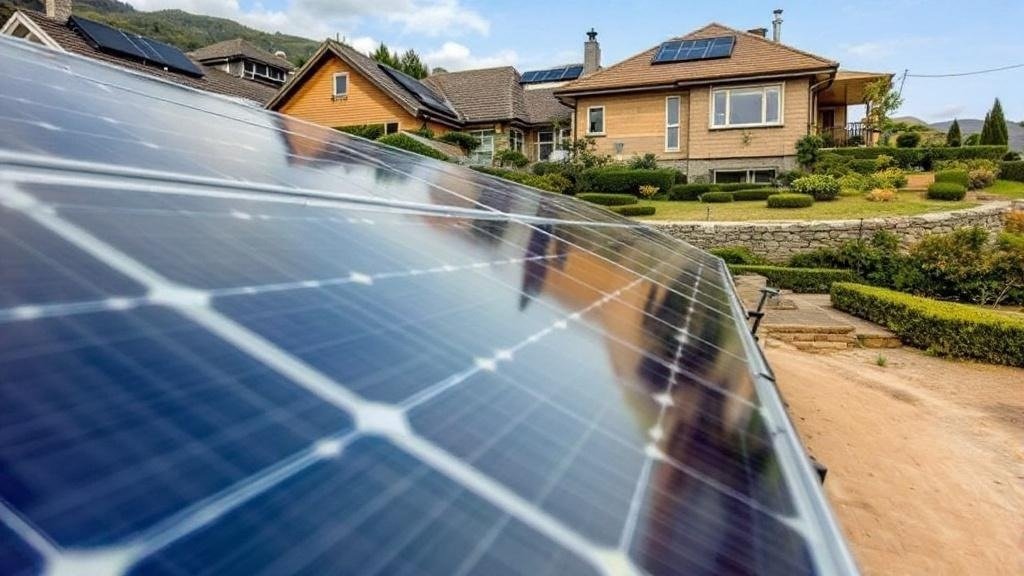


If you’re putting together a small off grid solar power setup for an RV, cabin, or weekend boondocking rig, a 100 watt solar panel kit is usually where most people start. It’s affordable, simple to wire, and powerful enough to keep the basics running without babying your batteries all day.
After looking at a lot of options in the “starter” category, the HQST 2pcs 100W 12V Monocrystalline Solar Panel bundle stands out because it quietly solves a lot of the problems people run into with cheap panels: lower efficiency, hot spots, and flimsy frames that don’t love life on the road. This kit isn’t flashy, but it’s surprisingly well thought out where it matters.
What follows isn’t a technical whitepaper. It’s a practical, real-world style review of how these panels fit into a small solar setup, what they’re genuinely good at, and where they’re not a perfect fit. If you’re planning DIY solar panels for an RV, van, or off grid cabin, this should give you a clear sense of whether this specific kit deserves a spot on your roof.
Product Showcase: 100 watt solar panel HQST 2×100W Kit
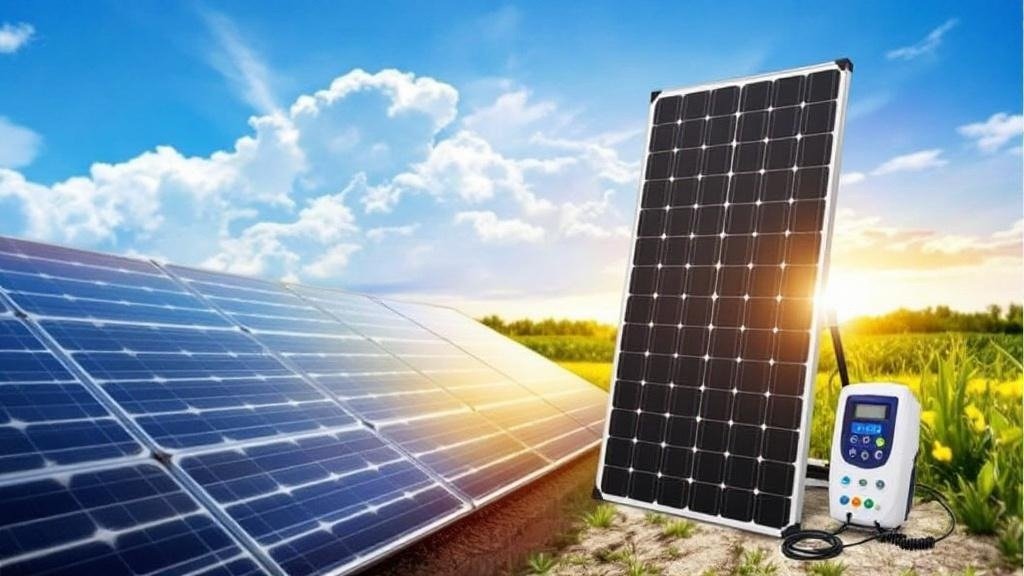
The product we’re looking at is the HQST 2pcs 100W 12V Monocrystalline Solar Panel kit – essentially two matching 100W rigid panels designed for 12V systems. Together, they give you up to 200W of rated power, which is a sweet spot for smaller off grid solar power systems: big enough to be useful, small enough to mount on most RVs and tiny cabins without major redesign.
These are traditional framed monocrystalline solar panels, not flexible film. Each one uses higher-grade cells (HQST calls them Grade A+), an upgraded 9‑busbar layout, and a sturdy aluminum frame. They’re aimed squarely at folks who want reliable solar panels for rv and off‑grid use without paying premium brand prices.
Here’s the exact product if you want to check current pricing or reviews: HQST 2pcs 100W 12V Monocrystalline Solar Panel. If you’re comparing options and want something similar with a bit more panel surface flexibility, HQST also sells related variations in their store on Amazon.
In day-to-day use, this kit is a great foundation for running lights, fans, phones, a laptop or two, and a modest 12V fridge in good sun. It’s not going to power a full electric kitchen, but as a realistic entry to off grid solar power, it’s a very usable starting point.
Pros & Cons
Key Advantages
First, the performance-per-dollar ratio is hard to ignore. With an advertised conversion efficiency around 25% and decent real-world output, these panels easily compete with much more expensive brands. Two of them together can produce up to roughly 500Wh a day each in strong sun, which is plenty for light-to-moderate usage in an RV or small cabin as long as you size your battery bank intelligently.
The 9‑busbar cell design is another strong point. More busbars mean shorter paths for current and less stress on each cell, which can help reduce microcracks over time – a real concern when panels are bouncing on a roof at highway speeds. It’s a subtle upgrade compared to older 5‑busbar designs you still see on many budget kits.
Lastly, these panels are clearly built to live outside for a long time. The IP65 junction box and connectors, plus a corrosion‑resistant frame, mean you can mount them and not worry every time it rains or snows. HQST rates them for heavy snow loads and strong winds, which matters if you’re installing them on a cabin roof or in a windy desert campground.
Potential Drawbacks
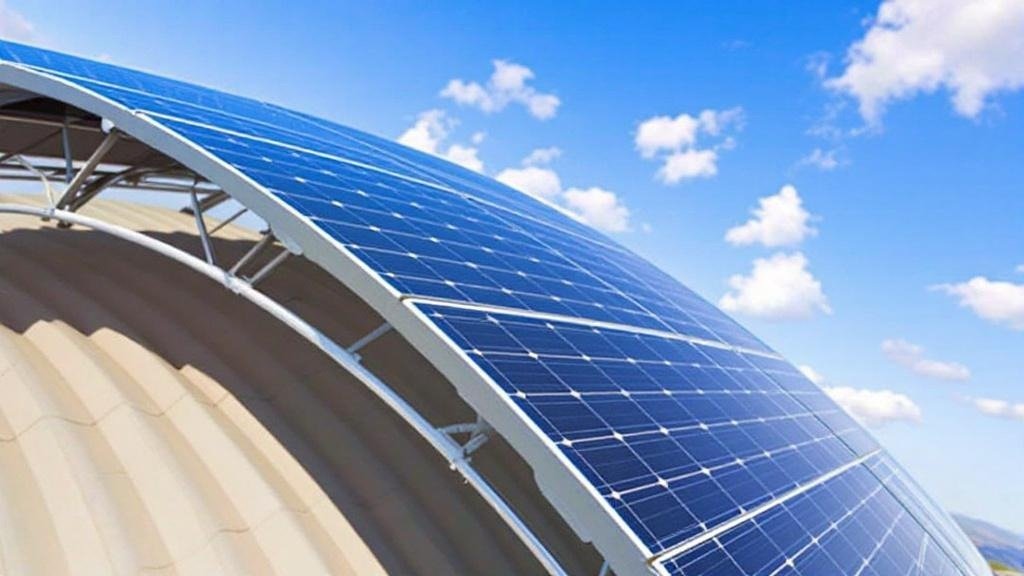
It’s worth being honest about where this kit isn’t perfect. First, they’re rigid glass‑and‑frame panels, so they’re heavier and bulkier than flexible alternatives. If your roof is highly curved or weight is extremely tight, you may need to look at flexible options instead of a standard framed 100 watt solar panel like this.
Second, you don’t get a complete system in the box. These are panels only – no charge controller, no wiring harness, no mounting brackets. That’s actually a plus for experienced DIYers, but total beginners may feel a bit more comfortable with a true all‑in‑one starter kit that includes every nut and bolt.
Finally, like any fixed panel, real‑world performance drops in heavy shade, during winter, or if you don’t keep them reasonably clean. The bypass diodes help reduce power loss in low‑light sections, but you still need realistic expectations if you’re camping in forests or parking in partial shade.
Description & Real‑World Details
High‑Efficiency Monocrystalline Cells
At the heart of this kit are monocrystalline solar panels using Grade A+ cells. In plain language, that means you’re not getting the leftover, mixed‑quality cells that sometimes show up in bargain-bin panels. A higher grade cell usually translates into more consistent output, especially when the panel heats up or light conditions aren’t perfect.
HQST claims up to 25% efficiency, which is near the top of what’s currently realistic for mass‑market panels in this category. In practice, that means you get more wattage from a smaller footprint. If you’re working with limited roof space on a van, trailer, or boat, that extra bit of efficiency can be the difference between covering your needs or coming up short.
Even in warm weather, these panels hold up reasonably well. The upgraded cell layout and lower operating temperatures (about 2°C cooler than older layouts, according to HQST) help keep voltage from sagging quite as much under summer sun.
Bypass Diodes for Shade and Low‑Light
One feature that doesn’t sound exciting on paper but matters a lot in real life is the built‑in bypass diodes. When part of a panel is shaded – maybe from a roof vent, nearby tree, or roof rack – traditional panels can drop output sharply or develop hot spots where shaded cells are pushed too hard.
Bypass diodes allow sections of the panel to essentially “step aside” when shaded, so the rest of the panel can still produce usable power. You still lose some output under shade, of course, but it’s much better than a full collapse of power. If you camp under trees or your roof layout is a bit busy, this is a very practical benefit.
In early morning and late afternoon, those same diodes help stabilize performance as the sun angle changes, which can give you a bit more usable watt‑hours over the course of a day compared with cheaper, diode‑less designs.
Rugged Frame and Weather Protection
These panels use a corrosion‑resistant aluminum frame and tempered glass, with an IP65‑rated junction box and connectors. In practice, that means it’s safe in the rain, and it can handle blowing dust, spray, and the usual abuse you’d see on an RV or cabin roof without complaining.
If you live in a snow zone or windy area, the load ratings are reassuring. HQST lists them as tested for snow loads up to 5400 Pa and wind up to 2400 Pa. That’s fancy engineering speak for “it can handle a lot more than a light dusting,” assuming you mount them properly with decent brackets and hardware.
As with any glass panel, you’ll still want to avoid major impacts – dropping tools on them or being careless with tree branches. But under normal conditions, they’re built to last for years, not just a season.
Installation and DIY Friendliness
For DIY solar panels enthusiasts, installation is straightforward. Each panel comes with pre‑drilled mounting holes in the frame, which line up well with common Z brackets and tilt mounts. HQST specifically calls out compatibility with their own Z brackets and tilt brackets, but they’ll also work with most generic mounts designed for framed panels.
You’ll need to supply your own hardware and charge controller. The panels come with standard solar connectors, so you can run them in parallel for a 12V system or in series for a 24V configuration, depending on your controller and battery bank. It’s very friendly for tinkerers who like to build up their system piece by piece.
If you’re brand new to solar, you might want to pair these panels with a beginner‑friendly MPPT charge controller and a clear wiring diagram. There are solid step‑by‑step guides from reputable sources like Energy.gov that explain the basics of sizing and wiring a small off grid solar power system.
Specs & Performance Snapshot
Core Electrical Specs
Each panel is rated at 100W under standard test conditions. In a 12V system, that typically means an operating voltage in the high teens and a current of around 5–6 amps, though exact numbers vary slightly by batch and temperature. In bright midday sun with good orientation, seeing 70–80W per panel in real‑world conditions is common.
Put simply: you shouldn’t expect a full 100W all day long, but two of these panels can reasonably deliver several hundred watt‑hours over a sunny day. That’s enough to keep LED lighting, device charging, and a small compressor fridge going if your battery bank is sized reasonably.
Thanks to the improved busbar layout, the panels also tend to hold a bit more output as they heat up, compared with older designs with fewer busbars. It’s not magic, but every little improvement helps when you’re living off grid.
Physical Design and Build
Physically, each panel is a typical framed glass design: slim profile, aluminum frame, and a junction box on the back. Weight is very manageable for one person to lift and position, though having a second set of hands on a ladder is always wise.
The form factor is friendly for RV roofs, boat decks, and small cabin roofs. There’s no awkward overhang or strange shape to work around, and the pre‑drilled holes save time when you’re aligning brackets. Just remember to leave room for wire routing and to think about shadows from roof vents or AC units.
Because they’re rigid, you’ll want a reasonably flat mounting surface. On highly curved or irregular roofs, flexible panels might conform better, but for most standard RVs, trailers, and shed roofs, these framed units are often the more durable long‑term choice.
Low‑Light and Seasonal Behavior
Like any panel, output drops on overcast days, but the combination of decent efficiency and bypass diodes helps these hold onto a useful trickle for more hours of the day. You may not fully recharge a deeply drained battery on a gray winter day, but you should still see meaningful contribution to your daily usage.
In shoulder seasons – spring and fall – having 200W instead of a single 100W panel gives you more margin to keep up with daily loads. If you find yourself stretching the limits, you can often add an additional pair of panels and expand your off grid solar power setup without redesigning the entire system.
Why We Recommend This Kit
The main reason to recommend the HQST 2×100W kit is that it hits a very practical balance: strong performance, solid build quality, and approachable pricing. You’re not paying extra just for a logo, but you’re also not gambling on generic, no‑name hardware that may or may not last three seasons on the roof.
From a user‑experience perspective, these panels behave predictably. They mount easily, they play nicely with most common charge controllers, and they have enough efficiency that you don’t feel constantly squeezed for surface area. For most people dipping their toes into a best solar panel setup for an RV or small cabin, that predictability is more valuable than chasing theoretical peak performance.
There’s also something to be said for modularity. Starting with two 100W panels gives you room to grow. Maybe you begin with lighting, USB charging, and a laptop, then later add a 12V fridge or a bigger battery bank. This kit is a flexible foundation rather than a dead‑end bundle you’ll replace in a year.
Finally, the emphasis on durability matters. Off‑grid life is tough on gear – roads are rough, weather is unpredictable, and maintenance sometimes gets delayed. A panel that shrugs off rain, snow, and vibration earns its keep over time. When you consider total cost over several years instead of just initial price, the value proposition becomes even clearer.
Target Audience: Who This Is NOT For
Despite all the positives, this bundle isn’t a universal solution. If you’re building a full‑time, all‑electric tiny house with electric heat, induction cooking, and heavy air conditioning use, a simple 200W array like this will be wildly undersized. You’ll want a significantly larger array and probably higher‑voltage gear designed for whole‑home loads.
It’s also not ideal for people who absolutely need ultra‑lightweight or flexible panels. For example, if you’re mounting on a curved fiberglass roof, a thin, flex‑style 100 watt solar panel might adhere more cleanly and keep overall weight down, though you’ll usually trade away some longevity.
If you have zero interest in DIY wiring, drilling, or sealing roof penetrations, a pre‑wired, plug‑and‑play portable suitcase panel might suit you better. Those cost more per watt, but they avoid permanent mounting and are easier to move into and out of the sun.
Complementing Ideas & Next Steps
To get the most out of these panels, you’ll want to build a balanced system. That means pairing them with a quality MPPT or PWM charge controller, a battery bank sized to your needs, and sensible loads. If you’re just starting to plan your setup, our guide to small off‑grid solar power systems walks through the main components and how they fit together.
You may also want to think about mounting. Proper brackets and tilt mounts can improve output and panel life, especially if you experience heavy snow or want to optimize winter sun angles. We break down a few mounting strategies in our article on solar panels for RV roof installs, including when tilt brackets are worth the extra cost and complexity.
If you decide this HQST kit feels right for your build, you can find the current price and reviews here: HQST 2pcs 100W 12V Monocrystalline Solar Panel Kit. For those wanting to scale bigger later, consider bookmarking a compatible controller or additional HQST panels, such as their higher‑wattage monocrystalline line: HQST 200W options. And if you need a more portable alternative for weekend trips, their folding or suitcase‑style options are also worth comparing: HQST portable panels.
Used thoughtfully, a modest 200W array like this can cover a surprising amount of everyday life – lights, cold food, and charged devices – without tying you to hookups. For many people, that’s exactly what going off‑grid is supposed to feel like.
Your Questions, Answered
How much power can I realistically expect from the HQST 2×100W panels each day?
In ideal conditions with good orientation and strong sun, each panel might briefly approach its 100W rating at midday, but real-world output is usually lower. A more realistic expectation is around 300–500Wh per panel per day in clear weather, depending on your location and season. With both panels combined, many users see roughly 600–900Wh on a sunny day. That’s typically enough for LED lights, phone and laptop charging, a vent fan, and a small 12V fridge in an efficient off-grid setup, as long as your battery bank and wiring are sized correctly.
Are these panels suitable for a DIY solar setup on an RV or van?
Yes. The HQST 2×100W panels are very well suited to DIY RV and van builds. They come with pre-drilled mounting holes in the aluminum frame, standard solar connectors, and a manageable size and weight for roof installation. You’ll still need to add your own charge controller, wiring, fuses, and mounting brackets, but the panels themselves are plug-and-play with most 12V systems. Many van and RV owners like starting with a pair of 100W monocrystalline panels because they fit easily on most roofs and can be expanded later if needed.
Can a 200W solar array run a 12V fridge and basic electronics off grid?
For many people, yes, as long as you manage your loads and have a properly sized battery bank. A typical efficient 12V compressor fridge might use 300–600Wh per day, depending on ambient temperature and how often you open it. With around 600–900Wh per day from these two panels in good sun, there’s often enough energy left for lights, a vent fan, and device charging. However, if you camp in shady areas, see frequent cloudy days, or use power-hungry appliances, you may want more than 200W of solar or a backup charging method like alternator or shore power.
What’s the difference between these HQST monocrystalline panels and cheaper no-name options?
Cheaper no-name panels often cut corners in three areas: cell quality, construction, and long-term durability. HQST uses Grade A+ monocrystalline cells with a 9-busbar design, which generally means better efficiency and more consistent output. The IP65 junction box, corrosion-resistant aluminum frame, and tested wind and snow load ratings also indicate they’re built for years of outdoor use. With off-grid solar, the cost of replacing a failing panel and re-doing a roof install can easily outweigh the savings from buying the absolute cheapest hardware up front.
Do I need an MPPT charge controller for this 100 watt solar panel kit, or is PWM okay?
You can use either, but an MPPT controller will usually get more usable energy from the same panels, especially in colder weather or when panel voltage is significantly higher than battery voltage. For a simple, budget-conscious system, a quality PWM controller can work, particularly if you’re wiring the panels in parallel on a 12V battery bank. If your budget allows, an MPPT controller paired with these 2×100W monocrystalline panels is generally the better long-term choice for off-grid solar power, since it can boost efficiency and offer more flexibility if you add additional panels later.

We are a collective of off-grid enthusiasts, solar technicians, and sustainable living advocates dedicated to making energy independence accessible. From blackout-proofing suburban homes to engineering mobile power for the road, we rigorously test every kit and component we review. Our mission is to help you cut the cord and power your life on your own terms.