

- Product Showcase: 200 Watt Solar Panel ECO-WORTHY 2×100W Kit
- Pros & Cons of the ECO-WORTHY 2×100W Solar Panels
- Description: Real-World Look at This ECO-WORTHY 200W Setup
- Specs: Key Technical Details That Actually Matter
- Why We Recommend the ECO-WORTHY 200W (2×100W) Solar Panel Kit
- Target Audience: Who This Is NOT For
- Complementing Ideas: Next Steps and Helpful Resources
- Your Questions, Answered
If you’ve been pricing out a 200 watt solar panel setup for an RV, small cabin, boat, or backyard project, you’ve probably noticed that a single 200W panel isn’t your only option. In fact, a lot of people prefer running two 100W panels instead and that’s exactly what this ECO-WORTHY 2 x 100W monocrystalline kit is about.
What I like about this kit is that it hits a sweet spot: it’s compact enough to install on a small RV roof or shed, but powerful enough to be a real step up from a basic 100 watt solar panel starter system. It’s very much aimed at DIY users, but it doesn’t feel “cheap” or flimsy in the way some entry-level solar panels for RV use can.
Below, I’ll walk through what stands out about these panels, what I’d watch out for, and who they’re really best suited for if you’re planning solar panels for off grid living, weekend boondocking, or a simple backup power project at home.

- [25% Efficiency] Daily output reaches 800wh under the condition of 4 hours of sunlight. PERC technology boosts cell effi…
- [The Best DIY Partner for 12V/24V System] Basic generator component for 12V/24V battery charging for on-grid, off-grid a…
- [25-Year Durability] Withstand high winds(2400Pa) and snow loads(5400Pa). Waterproof components, impact-resistant temper…
Product Showcase: 200 Watt Solar Panel ECO-WORTHY 2×100W Kit
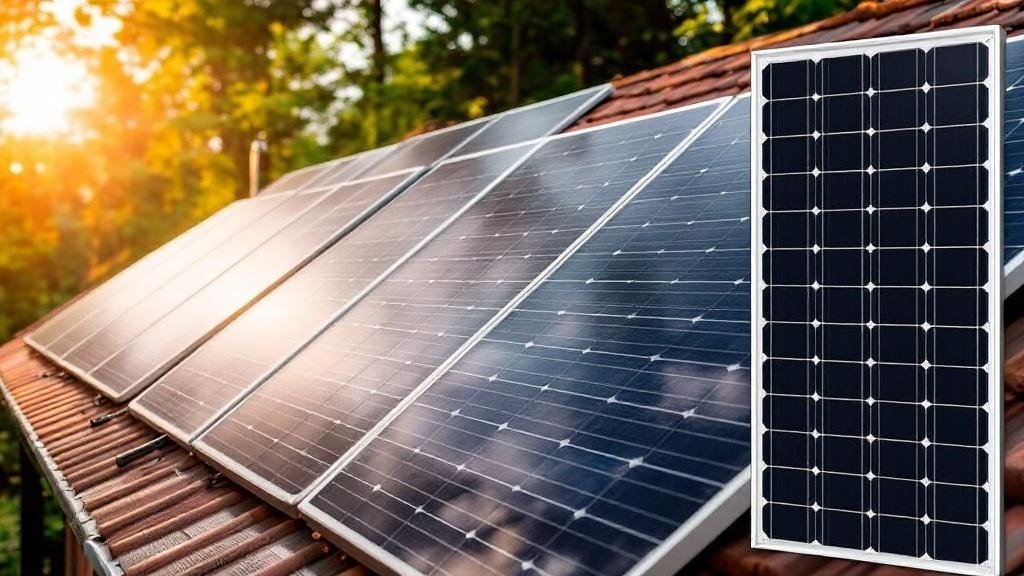
This kit is essentially a paired set of ECO-WORTHY 100W monocrystalline panels, designed to be wired together as a compact 200W array. You’re getting the efficiency and low-light performance of mono cells, but with the flexibility of having two panels instead of one large one. That matters a lot on RV roofs, boats, or small cabins where every inch of space and mounting location has to be thought through.
Under good conditions (around four hours of solid sun), ECO-WORTHY rates the daily output at up to 800Wh. In real life, that’s enough to comfortably run LED lighting, charge phones and laptops, power a small 12V fridge, and keep a battery bank topped up in a modest solar power off the grid system. It’s not a full house solution, but it’s a meaningful upgrade from a single panel starter kit.
These panels are built on a corrosion‑resistant aluminum frame, with tempered glass and IP65-rated junction boxes. In other words, they’re made for outdoor life: RVs, marine use, sheds, small cabins, and basic off grid solar power systems. They’re also compatible with both 12V and 24V battery setups, which gives you some flexibility as your system grows.
If you want to jump straight to the product details and current pricing, you can check it out here: ECO-WORTHY 2×100W Panels on Amazon.
Pros & Cons of the ECO-WORTHY 2×100W Solar Panels
Pros
First, the efficiency is legitimately solid for this price range. ECO-WORTHY quotes up to 23% cell efficiency using PERC technology, which helps squeeze more energy out of the same footprint. In practice, that means you get better performance during mornings, late afternoons, and hazy days than you might expect from many entry-level rv solar panel kits.
Second, the kit is beginner friendly. The panels come with pre-drilled mounting holes, plug‑and‑play connectors, and long leads (around 35 inches), so wiring them to a charge controller is straightforward. If you’re reasonably handy and comfortable following diagrams, you can bolt these onto brackets and hook them into your solar system in an afternoon.
Third, the durability is reassuring. Between the tempered glass, IP65 junction box, and aluminum frame, these panels are rated to handle high winds and heavy snow loads. They’re clearly meant to stay outside year-round, whether that’s on an RV roof, cabin, or boat. ECO-WORTHY does a decent job packing them, so they tend to arrive without cracked glass or bent frames.
Finally, two 100W panels can be easier to work with than a single, large 200W panel. You can spread the weight, line them up around roof vents or skylights, and adjust your layout later if you add more solar panels for rv expansion down the road.
Cons
The main limitation is that you’re buying bare panels, not a full kit. You’ll still need a compatible charge controller, wiring, mounting brackets, and batteries. If you were hoping for an all‑in‑one box to go straight to a complete solar panels for off grid living setup, this isn’t it think of it as a strong foundation rather than the entire build.
Another thing to keep in mind is real‑world output. ECO-WORTHY’s 800Wh per day figure is based on around four hours of ideal sun. Depending on where you live, shading, panel angle, and seasonal sun hours, your actual yield can be noticeably lower. That’s not unique to this brand; it’s just how solar works, and it’s worth setting expectations.
The 1.38-inch thickness brings benefits (better heat dissipation, stronger frame), but it also means these panels sit a bit higher off a roof than ultra-thin flexible panels. On RVs that squeeze under low-clearance garages or carports, a half inch of extra profile can matter. For most people it’s fine, but it’s something to double-check if your rig is already tall.
Lastly, while ECO-WORTHY has been around for a while, you’re not getting the “premium brand” support experience you might expect from top-shelf, big-name solar manufacturers. Support is generally acceptable, but I wouldn’t count on white-glove handholding for complex custom systems.
- [25% Efficiency] Daily output reaches 800wh under the condition of 4 hours of sunlight. PERC technology boosts cell effi…
- [The Best DIY Partner for 12V/24V System] Basic generator component for 12V/24V battery charging for on-grid, off-grid a…
- [25-Year Durability] Withstand high winds(2400Pa) and snow loads(5400Pa). Waterproof components, impact-resistant temper…
Description: Real-World Look at This ECO-WORTHY 200W Setup
How the Panels Perform Day to Day
In day‑to‑day use, what stands out most is how consistently these panels produce usable power even when conditions aren’t perfect. That 23% PERC cell efficiency isn’t just a marketing number. When the sun is low or passing behind thin clouds, you don’t see the output fall off a cliff the way it can with bargain basement panels.
When wired together as a small 200W array, these panels are well suited to lightweight off grid solar power systems. For a modest RV or tiny cabin setup, you can realistically expect them to keep a 12V battery bank topped up through normal use, especially if you’re running efficient DC appliances and mindful of your loads.
The bypass diodes in the junction box help with shade management. If part of one panel is shaded by a tree branch or roof rack, the entire array doesn’t collapse to near zero. You still lose some power that’s inevitable but the output drop is manageable rather than catastrophic.
For anyone coming from a single 100 watt solar panel, the jump to this 2 x 100W configuration is noticeable. You get more wiggle room for cloudy days, more overhead for adding a 12V fridge, and generally less anxiety about draining your batteries by evening.
Build Quality & Weather Resistance
The panels feel solid in the hand: no creaking frames, no flimsy corners. The aluminum frame is corrosion-resistant, which is important if you’re mounting them on a boat, near the coast, or in areas that see a lot of road salt or winter conditions. The tempered glass is designed to handle hail, snow load, and the usual abuse from being outdoors 24/7.
ECO-WORTHY rates the panels to withstand winds up to 2400Pa and snow loads up to 5400Pa. Those numbers are in line with mid-range residential panels, which is impressive for a kit at this price point. For a cabin roof in a snowy climate or an RV that sees rough weather, that’s the sort of rating you want to see.
The IP65-rated junction box is another plus. It’s sealed against dust and can deal with water jets from any direction, which is exactly what you’re dealing with when you’re driving in heavy rain or pressure washing a roof nearby. Just avoid blasting the connectors up close with a pressure washer and you’ll be fine.
The 1.38-inch edge thickness helps with heat dissipation. Panels get hot in full sun, and heat tends to reduce efficiency. More thickness and air gap means they cool down more quickly, so you hold onto better performance at mid‑day rather than watching your wattage sag.
Installation & DIY Friendliness
This kit is clearly aimed at DIY users who are comfortable with tools but may be new to solar. The pre-drilled holes line up with most common Z-brackets and adjustable mounts, and ECO-WORTHY even highlights several compatible bracket styles (fixed Z brackets, 45-inch rails, and adjustable roof mounts) in their ecosystem.
The MC4-style connectors make wiring almost plug‑and‑play, as long as you’re pairing them with a modern charge controller. Just be sure your controller is sized correctly for 200W of input and supports either 12V or 24V battery configurations, depending on how you plan to wire the panels (series or parallel).
Even if you’ve never installed solar panels for rv use before, the basic process is pretty approachable: mount brackets, secure panels, run the cables, and connect to your controller and battery bank. The trickiest part is usually deciding where to run the cables through a roof or wall, not the panels themselves.
If you want a deeper dive into planning a complete setup, the general guidance on U.S. Department of Energy solar basics is worth a look before you buy extra hardware.
Specs: Key Technical Details That Actually Matter
Electrical Performance
Each panel is rated at 100W under standard test conditions. Together, you’re effectively working with a 200W array. The system is suitable for both 12V and 24V battery banks, depending on whether you wire the panels in parallel (for 12V systems) or in series (for higher-voltage configurations).
The headline efficiency figure is up to 23% thanks to PERC cell technology. For non-engineers, that simply means you get more watts out of the same physical panel area. In tight spaces like RV roofs, that extra efficiency is far more valuable than squeezing in another cheap panel that underperforms.
Daily energy production is quoted at around 800Wh under about four hours of good sunlight. Actual numbers will swing based on latitude, season, shading, and panel angle, but the rating gives a fair ballpark for planning your energy budget.
- [25% Efficiency] Daily output reaches 800wh under the condition of 4 hours of sunlight. PERC technology boosts cell effi…
- [The Best DIY Partner for 12V/24V System] Basic generator component for 12V/24V battery charging for on-grid, off-grid a…
- [25-Year Durability] Withstand high winds(2400Pa) and snow loads(5400Pa). Waterproof components, impact-resistant temper…
Mechanical & Environmental Specs
The frame is made from corrosion-resistant aluminum, with a panel thickness of about 1.38 inches. That extra thickness is not just for show; it helps with structural strength and allows better airflow underneath, which reduces heat buildup and helps maintain efficiency on hot days.
The front is covered with impact-resistant tempered glass to fend off hail, branches, and general travel wear and tear. The junction box is IP65 rated, which is standard for outdoor gear and enough to handle tough weather without fuss.
The panels are rated for wind loads up to about 2400Pa and snow loads up to 5400Pa, putting them in a comfortable zone for most climates. Unless you’re in an area with extreme hurricane-force winds or ridiculously heavy snow, these numbers should be more than adequate.
Wiring, Connectors & Compatibility
Each panel comes with approximately 35-inch cables terminated in industry-standard connectors, which plug into most modern charge controllers and extension cables designed for solar. You can wire them in series for higher voltage (often used with MPPT controllers) or in parallel for simple 12V setups.
The kit plays nicely with a broad range of off grid solar power systems. Whether you’re charging a small battery bank for a cabin, topping off RV house batteries, or integrating into a hybrid grid/backup system, the panels themselves are flexible enough to fit into whatever controller and battery setup you choose.
Why We Recommend the ECO-WORTHY 200W (2×100W) Solar Panel Kit
The reason this kit stands out is that it strikes a practical balance between affordability, performance, and usability. A lot of budget-level panels cut corners either on efficiency or durability. Here, you’re getting higher-than-average efficiency, decent low-light performance, and a frame that’s clearly built with outdoor abuse in mind.
For RVers and van lifers, the 200W capacity hits a sweet middle ground. It’s significantly more capable than a lone 100W panel, but without the space and cost demands of a giant multi-panel array. If you combine it with a quality MPPT charge controller and a modest lithium or AGM battery bank, you’re stepping into genuinely comfortable, small-scale solar power off the grid systems territory.
From a DIY perspective, it’s also forgiving. The pre-drilled holes, plug‑and‑play connectors, and manageable panel size mean you don’t need professional installers or specialized tools. If you can drill, measure, and follow a wiring diagram, you can get this up and running. That’s a big deal for people who want to learn as they go without feeling overwhelmed.
We also like that these panels fit neatly into an upgrade path. You can start with this pair, get a feel for your real-world power use, and then expand with additional ECO-WORTHY panels or mix in other 100W units as needed. It’s a flexible foundation, not a dead-end purchase.
If you want to see current user reviews and pricing, you can view the product directly here: Check ECO-WORTHY 2×100W Pricing.
Target Audience: Who This Is NOT For
This setup is not for someone trying to power an entire full-size home solely from a small roof array. If your goal is whole-house energy independence with heavy appliances, air conditioning, and large water pumps, you’ll need a much more substantial system than a compact 200W kit can provide.
It’s also not ideal if you’re looking for a zero-effort, fully plug‑and‑play power box. You’ll still need to choose your own charge controller, batteries, brackets, and wiring. If you’re not comfortable doing any DIY work and don’t want to learn, an all-in-one portable power station with foldable panels might make more sense.
For people living in heavily shaded environments, such as dense forests or urban canyons, any fixed solar setup will struggle. In those cases, portable panels you can reposition throughout the day or alternative energy sources may be a better fit than fixed panels locked to one spot.
Lastly, if you’re extremely constrained on roof height or need super low-profile, flexible panels that conform to curved surfaces, traditional framed panels like these may be overkill. Thin, flexible panels have their own trade-offs, but they do win on profile and weight in very specific use cases.
Complementing Ideas: Next Steps and Helpful Resources
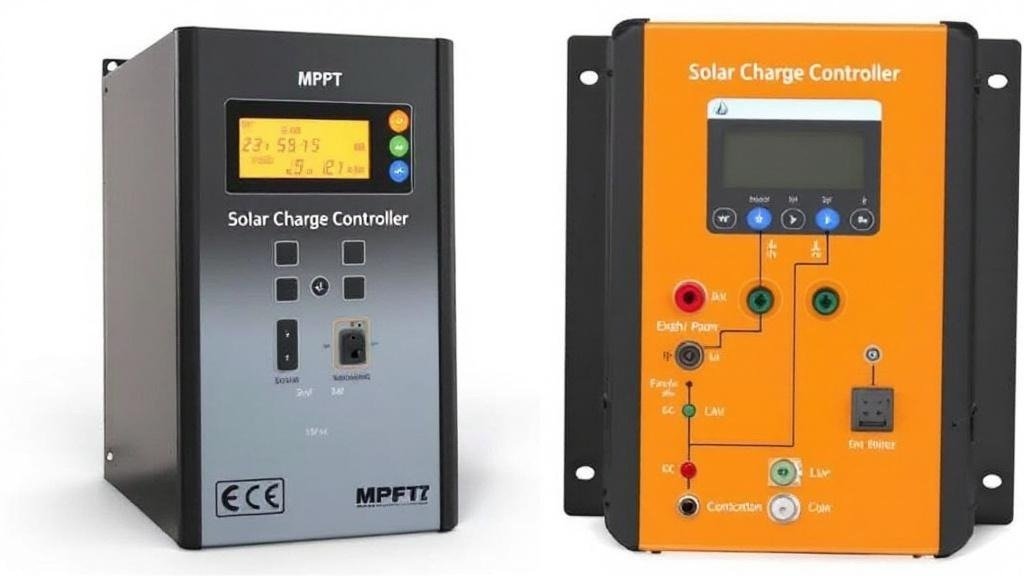
If you’re planning a full small off-grid system around this kit, pairing it with a good MPPT charge controller and a solid battery bank is key. For a practical overview of how to size your batteries and plan loads, the guidance on solar system sizing can help you avoid under-building or over-spending.
To see how this ECO-WORTHY setup compares to other options in the same power class, you can browse additional recommendations and setup tips on our internal guides, like our overview of entry-level RV solar builds and our breakdown of starter-friendly solar panels for off-grid cabins. These walk through real-world scenarios rather than just specs on paper.
When you’re ready to pick up the panels themselves, use this direct link to confirm specs and current price: View ECO-WORTHY 2×100W Panels. If you already have a 100W panel, there are also mix‑and‑match options to expand your existing system without starting over from scratch.
Finally, if you’re still on the fence about whether a 200W class array is enough, it can help to start small, monitor your actual usage for a few trips or weeks, and then add capacity as needed. This ECO-WORTHY pair is a great way to get that first realistic baseline without overspending or overcomplicating your build.
- [25% Efficiency] Daily output reaches 800wh under the condition of 4 hours of sunlight. PERC technology boosts cell effi…
- [The Best DIY Partner for 12V/24V System] Basic generator component for 12V/24V battery charging for on-grid, off-grid a…
- [25-Year Durability] Withstand high winds(2400Pa) and snow loads(5400Pa). Waterproof components, impact-resistant temper…
Your Questions, Answered
Is a 200 watt solar panel setup enough to run an RV off-grid?
A 200 watt solar panel setup, like this ECO-WORTHY 2×100W configuration, is usually enough to cover light-to-moderate RV use: LED lights, phones, laptops, fans, water pump, and a small 12V fridge, especially if you’re using an efficient battery bank and a quality charge controller. It won’t power air conditioning or heavy AC loads for long, but for weekend boondocking and careful energy use, many RV owners find 200W is a comfortable starting point that can later be expanded.
Can I use these ECO-WORTHY panels with my existing 100 watt solar panel?
Yes, in many cases you can combine these ECO-WORTHY 100W panels with an existing 100W unit, as long as the voltage and current ratings are similar and you wire them correctly through a compatible charge controller. Ideally, you’ll match brand, wattage, and electrical characteristics for best performance. If your existing panel is very different in specs, it may be more efficient to run it on a separate controller rather than mixing it directly with this pair.
Do I need a special charge controller for this 200W ECO-WORTHY kit?
You’ll need a charge controller that can handle at least 200W of solar input at the voltage you plan to use (12V or 24V). An MPPT controller is recommended because it can more efficiently convert the panel voltage into usable charging current, especially in cooler or partially shaded conditions. Make sure the controller’s amp rating exceeds the expected array current by a comfortable safety margin, and that it supports your chosen battery chemistry (AGM, GEL, lithium, etc.).
Are these panels suitable for permanent cabin or shed installations?
Yes, these ECO-WORTHY panels are well suited for permanent cabin or shed setups. They have tempered glass, an aluminum frame, and environmental ratings similar to many residential panels, so they can stay outside year-round. For small off-grid cabins or sheds used for tools, lights, or a modest inverter, a 200W array is a great foundation. Just be sure to mount them securely, angle them appropriately for your latitude, and size your battery bank according to your actual power needs.
What else do I need to build a complete off-grid system around this kit?
Beyond the two panels, you’ll need a charge controller, appropriately sized battery bank (AGM, GEL, or lithium), mounting brackets or rails, wiring, fuses or breakers, and optionally an inverter if you want AC power. Think of the ECO-WORTHY panels as the generation side of the system; you still need storage (batteries) and regulation (controller), plus safety hardware. Planning your typical daily energy use first helps you right-size each component rather than guessing and ending up short on capacity.

We are a collective of off-grid enthusiasts, solar technicians, and sustainable living advocates dedicated to making energy independence accessible. From blackout-proofing suburban homes to engineering mobile power for the road, we rigorously test every kit and component we review. Our mission is to help you cut the cord and power your life on your own terms.