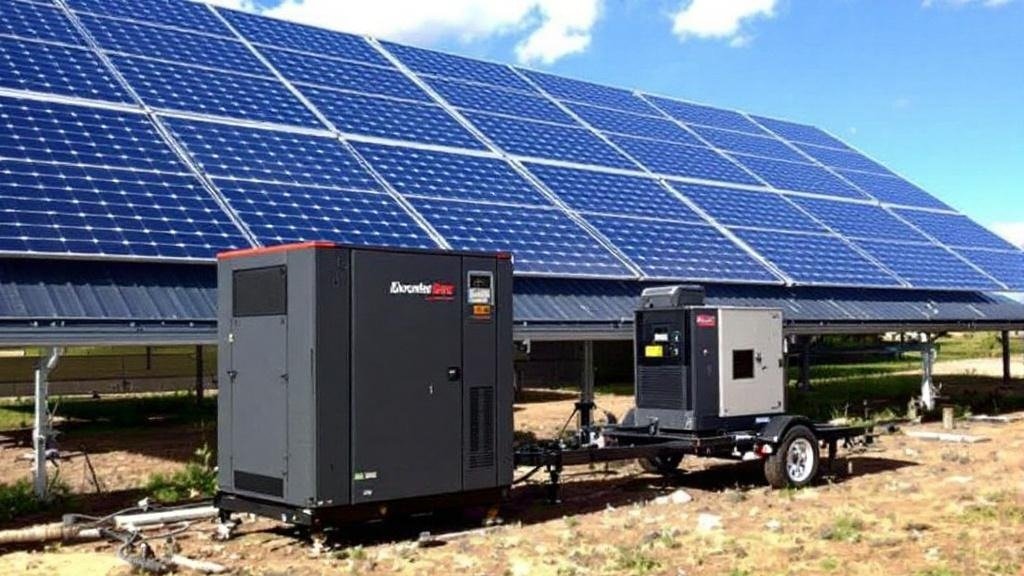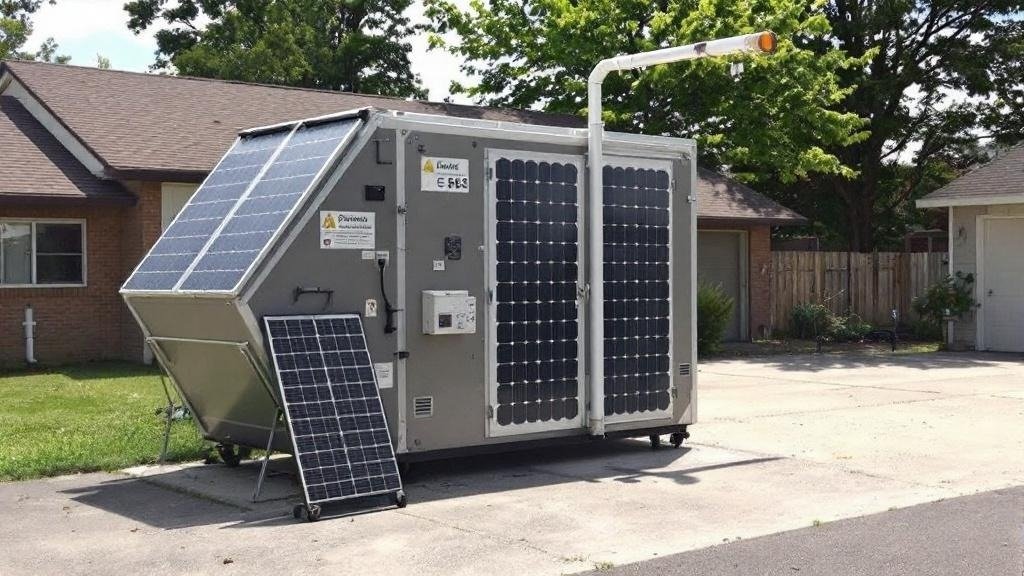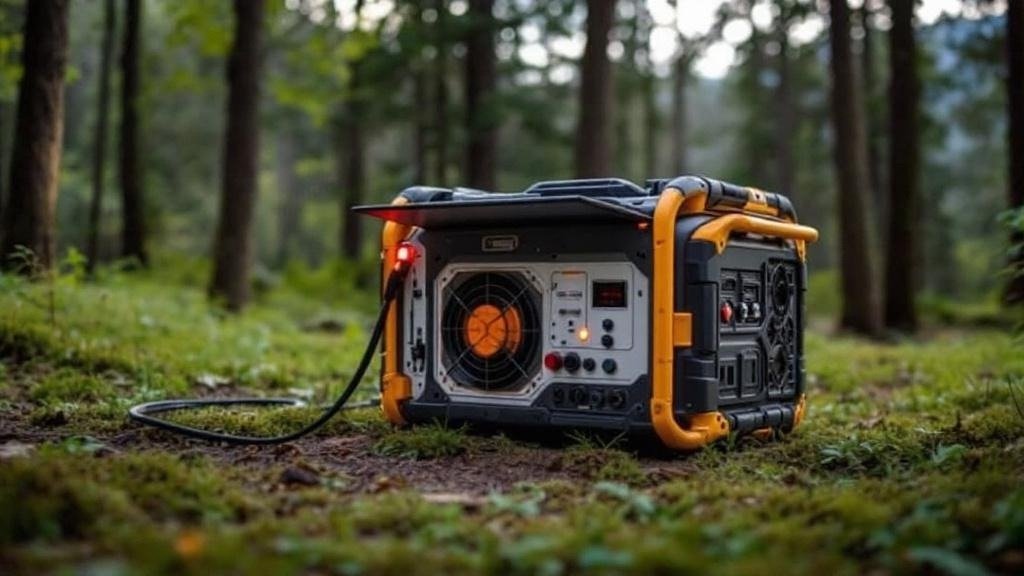
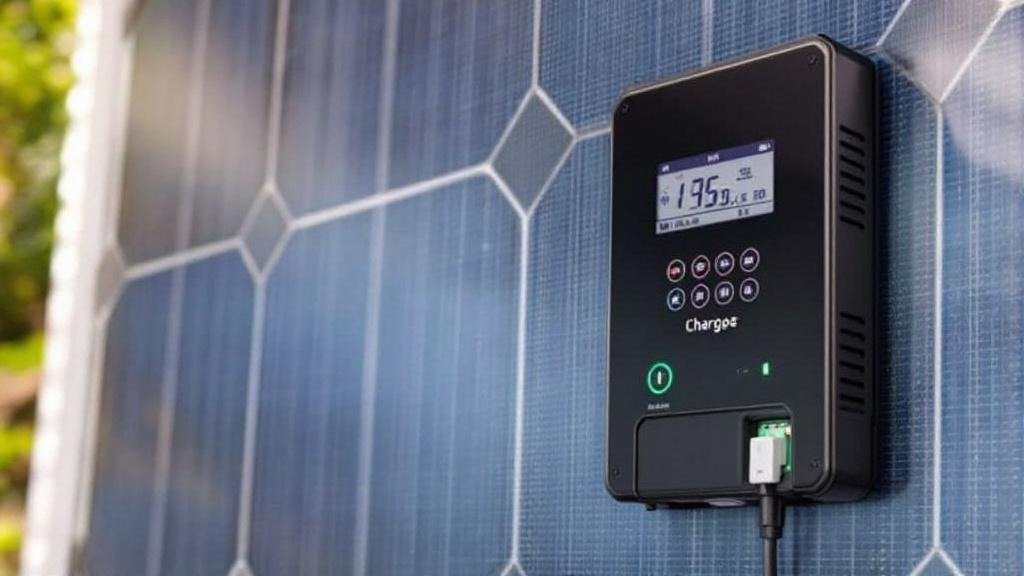


- EGO Nexus Solar Panel Charger Product Showcase
- Pros & Cons of the EGO Nexus Solar Panel Charger
- Description: How the EGO Nexus Solar Panel Charger Fits Your Setup
- Specs: Key Technical Details at a Glance
- Why We Recommend This Charger
- Who This Is NOT For
- Complementing Ideas & Helpful Resources
- Your Questions, Answered
If you own an EGO Nexus Power Station, you probably bought it for one big reason: reliable portable power without the noise or fumes of a gas generator. But the missing piece for a truly off-grid setup is a simple, dependable way to recharge it from the sun. That’s where a dedicated solar panel charge controller really matters and where this particular accessory steps in.
Below, I’ll walk through my honest take on the EGO Power+ CH1800 Nexus Solar Panel Charger what it does well, where it’s limited, and who should absolutely consider it (and who should not). I’ll also share a few ideas on how to integrate it into a broader solar setup so you’re not stuck guessing at compatibility or performance.
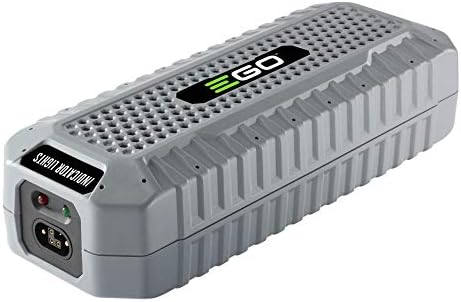
- For use with the EGO Nexus Power Station and recommended solar panels
- Input Voltage: 12V
- Input Power: 180W max
EGO Nexus Solar Panel Charger Product Showcase
The EGO Power+ CH1800 Nexus Solar Panel Charger is a compact, purpose-built accessory for the EGO Nexus Power Station. Instead of being a generic solar panel charge controller that you have to wire and configure yourself, this one is essentially plug-and-play for EGO’s ecosystem.
It’s designed specifically to sit between your portable solar panels and the Nexus Power Station, turning basic sunlight into a steady, appropriate input the power station can safely use. EGO also recommends a short list of compatible 12V panels, which takes a lot of guesswork out of the equation for anyone who doesn’t want to become a full-time solar hobbyist just to charge their batteries.
In practice, that means you grab your panels, plug them into this charger, and then connect it straight to your Nexus Power Station. You don’t have to worry about overvoltage, strange connectors, or whether this charge controller for solar panel usage will accidentally fry your expensive power station. It’s intentionally simple and that’s the real value here.
I see this as the “missing link” that turns the Nexus from an excellent portable battery into a genuinely useful off-grid hub. For camping, emergency backup, job sites, or van setups, having this panel solar charger in your kit means your runtime is limited more by sunlight than by the capacity of a single battery charge.
Pros & Cons of the EGO Nexus Solar Panel Charger
Big Advantages in Real-World Use
The standout advantage is compatibility. This isn’t a generic, fussy box that needs adapters and trial‑and‑error. It’s the only charger officially approved for use with the Nexus Power Station and EGO’s recommended solar panels, which dramatically reduces the risk of damaging an expensive battery pack through a sketchy setup.
Another big plus is peace of mind. If you’ve ever gone down the rabbit hole of figuring out which solar panel charge controllers work with which batteries, you know how easy it is to get lost in specs. Here, EGO has already defined safe operating parameters: 12V input, up to 180W max, using specific panels that are known to behave well with the Nexus. That’s a lot of mental energy saved.
The unit also feels purpose-built rather than cobbled together. It’s not overloaded with dials or confusing displays. For people who want renewable power without becoming an electrical engineer, this simplicity is worth paying for. Just plug in your recommended panels, connect to the Nexus, and let the system do its thing.
Finally, being a genuine EGO part means you’re staying in one ecosystem. If you already trust EGO tools, this accessory fits neatly into that workflow same design language, same general quality expectations, and clear documentation that talks specifically about the Nexus Power Station instead of vague “compatible with many systems” claims.
Drawbacks and Honest Limitations
On the flip side, the biggest limitation is how narrowly focused this device is. If you’re hoping for a universal solar panel charge controller that can be repurposed for random 12V battery banks or different power stations, this isn’t it. It’s really made for one job: feeding solar power into the EGO Nexus Power Station through the supported setup.
The 180W maximum input is another important constraint. For a lot of users, that’s perfectly fine, especially if you’re pairing two 100W recommended panels in good sun. But if you’re dreaming of a huge rooftop array or want to expand far beyond that power level, you’ll eventually hit a ceiling with this charger.
There’s also not much in the way of advanced monitoring or data. If you enjoy geeking out on precise voltages, logs, and customizable charge profiles, this simple, Nexus‑specific unit can feel a bit basic compared to more feature-rich solar panel charge controllers on the market.
Finally, because it’s a branded accessory, you’re somewhat locked into EGO’s ecosystem and recommended components. That can be incredibly reassuring for some people, but others who love to mix‑and‑match gear might see that as a downside compared to fully open, DIY systems.
- For use with the EGO Nexus Power Station and recommended solar panels
- Input Voltage: 12V
- Input Power: 180W max
Description: How the EGO Nexus Solar Panel Charger Fits Your Setup
Designed Specifically for the Nexus Power Station
The core job of this device is to act as a bridge between compatible 12V solar panels and the EGO Nexus Power Station. Instead of manually choosing connectors, checking polarity, and worrying about charge algorithms, you plug the panels into this charger and let it manage the incoming power within the limits the Nexus can handle.
That tight integration is important. Portable power stations are essentially large lithium battery systems with built‑in safety layers. Feeding them with the wrong voltage or a poorly configured charge controller can lead to shutdowns at best and damage at worst. By using a unit that’s officially approved for the Nexus, you’re effectively aligning everything with the power station’s own expectations.
This can be a big comfort if you’re deploying the Nexus in situations where reliability really matters think emergency backup during storms, field work where there’s no grid access, or keeping essentials running at a campsite far from outlets. The last thing you want is a questionable charging setup when you’re already dealing with unpredictable conditions.
So while other options might offer more flexibility, this one is all about staying firmly inside the lines of what EGO has tested and validated for its flagship power station, which is exactly what many owners are looking for.
Clean 12V Input with Up to 180W of Solar
Under the hood, the charger is built around a 12V input standard with a maximum of 180W. In everyday terms, that pairs nicely with a couple of efficient 100W panels wired the way EGO and its recommended brands suggest. You’re not building a giant house system here; you’re feeding a portable station with a sensible, controlled flow of energy.
This power level strikes a realistic balance. It’s strong enough to make a difference in recharge times but not so high that cabling, heat, or input limits become constant headaches. As long as you place your panels correctly and give them a decent amount of sun each day, you can meaningfully extend the time before you need to plug the Nexus into the wall again.
For uses like day‑long job sites, weekend camping trips, or running small essential loads at a cabin, that 180W ceiling is often more than sufficient. It keeps the system manageable, physically compact, and easier to transport than heavier, large‑scale solar rigs.
Of course, if your goal is to recharge a heavily used Nexus from empty to full every single day purely by solar, you’ll need to be realistic about sun hours and consumption. But within those expectations, the power rating of this panel solar charger makes a lot of sense.
Genuine EGO Part with Recommended Panel Pairings
One detail that stands out is how clear EGO is about recommended panel models. Instead of leaving you to experiment, the documentation points directly to specific 100W panels from well-known brands, which simplifies shopping and setup. That’s especially nice if you’re not interested in deciphering obscure spec sheets or compatibility tables.
By staying within those recommended options, you’re aligning panel output and voltage with what this charger expects to see. That usually means fewer surprises in the form of unreliable connections or weird error codes on the power station. In a world where solar accessories can feel like a patchwork of cables and adapters, that clarity is refreshing.
Being a genuine EGO part also helps from a support perspective. If something goes wrong or you’re unsure about a configuration, you’re dealing with one company’s ecosystem rather than trying to convince three different manufacturers to help you troubleshoot a hybrid setup.
For many people, that sense of an integrated, supported system is worth more than saving a few dollars on a generic alternative that may or may not “just work” with the Nexus in the long run.
- For use with the EGO Nexus Power Station and recommended solar panels
- Input Voltage: 12V
- Input Power: 180W max
Specs: Key Technical Details at a Glance
Core Electrical Specifications
- Input Voltage: 12V (nominal)
- Maximum Input Power: 180W
- Intended Use: Charging the EGO Nexus Power Station from compatible solar panels
- Function: Acts as a dedicated controller between panel output and Nexus input
These specs put the charger firmly in the portable, mid‑range category ideal for a couple of compact panels feeding a single power station rather than a full rooftop install. The 12V architecture keeps wiring and component choices straightforward while still delivering enough power to matter.
Compatibility and System Integration
- Approved Device: EGO Nexus Power Station (only)
- Recommended Solar Panels: Named 100W models from established manufacturers
- Use Case: Off‑grid charging, camping, job sites, and backup scenarios where the Nexus is your main power hub
- Component Type: Genuine EGO accessory designed specifically for their ecosystem
While the electrical specs might look similar to third‑party controllers, the integration is what separates this unit. From connector type to charge behavior, it’s aligned with how the Nexus expects to be charged, which reduces complexity and improves day‑to‑day reliability.
Why We Recommend This Charger
The biggest reason to recommend the EGO Power+ CH1800 is simple: if you already own a Nexus Power Station, this is the cleanest, least risky way to add solar recharging. It turns what is effectively a giant, smart battery into a more sustainable off‑grid hub without making you learn an entire new technical discipline.
There are plenty of powerful, feature‑packed solar panel charge controllers on the market, but many of them demand that you understand battery chemistries, wiring schemes, and panel characteristics in much more depth. With this charger, EGO has trimmed away most of that complexity for Nexus users by validating a specific path that “just works.”
From a practical standpoint, that means you’re more likely to actually use solar in your daily or seasonal routines, rather than letting a box of panels gather dust because the setup feels intimidating. Convenience and confidence often matter more than raw specifications when it comes to real-world adoption.
We also like that EGO takes responsibility for the entire chain: charger, power station, and recommended panels. You’re not constantly wondering which part of the system is to blame if performance isn’t what you expected. One ecosystem, one set of expectations, and one point of reference when you need help.
In short, if your goal is to keep your Nexus running longer between wall charges using sunlight without becoming a DIY solar expert this purpose-built charger makes a lot of sense. It might not be the flashiest gadget in your setup, but it’s the piece that quietly makes solar part of your normal routine instead of a science project.
Who This Is NOT For
It’s worth being very clear: this charger is not for tinkerers who want to power a dozen different systems from a single, flexible controller. If you’re the kind of person who enjoys building your own battery banks, experimenting with different panel voltages, or wiring large arrays, you’ll likely feel constrained by a Nexus‑only accessory.
It’s also not ideal for people aiming to run heavy, high‑demand loads purely from solar all day, every day. The 180W input limit is solid for a portable setup, but it’s not a whole‑house solution. If you’re planning to power substantial loads around the clock, you’ll eventually bump into the limits of both the Nexus and this charger.
Another group who may want to look elsewhere: those who love lots of real-time data and customizable control. This is not a laboratory instrument; it’s more like an appliance. You get reliability and simplicity, but not a long list of tweakable parameters and charts.
Finally, if you don’t own an EGO Nexus Power Station and don’t plan to there’s no real reason to buy this device. It’s purpose‑built for that ecosystem, and there are many other general‑purpose options that make more sense if you’re using a different battery or power station brand.
Complementing Ideas & Helpful Resources
To get the best results from this setup, it’s worth thinking about how the charger fits into your broader power strategy, not just as a standalone gadget. For example, pairing the Nexus and this charger with a small, well‑insulated cooler or low‑draw LED lighting can stretch your available watt‑hours much further on camping trips or during outages.
If you’re still planning your overall solar layout, it can help to review some basic off‑grid sizing concepts from a trusted resource like Energy.gov. Understanding daily energy use, sun hours, and realistic expectations makes it easier to choose the right panels and accessories for your needs.
For a broader look at integrating portable power stations into emergency planning, you might also find the guidance from the American Red Cross useful. It’s a good framework for deciding what you truly need to keep running and for how long.
If you’re exploring other gear that works well alongside this charger and the Nexus, check out our internal guides on choosing a reliable 12V panel setup and building a simple, modular backup power plan:
best portable solar panels and
home emergency power checklist. Both resources are geared toward keeping things understandable without sacrificing real‑world practicality.
And if you’re ready to add the EGO Power+ CH1800 Nexus Solar Panel Charger to your existing Nexus kit, you can find it here:
EGO Power+ CH1800 Nexus Solar Panel Charger, along with compatible panels that match EGO’s recommendations for a smooth, low‑stress setup.
Used thoughtfully, this simple device can quietly transform your Nexus from a great battery into a dependable solar-powered partner for everyday adventures and unexpected emergencies alike.
- For use with the EGO Nexus Power Station and recommended solar panels
- Input Voltage: 12V
- Input Power: 180W max
Your Questions, Answered
Do I need a separate solar panel charge controller for the EGO Nexus Power Station?
If you want to charge the EGO Nexus Power Station directly from portable solar panels, the EGO Power+ CH1800 Nexus Solar Panel Charger is the dedicated solution. It acts as the specific solar panel charge controller designed and approved for the Nexus, so you don’t have to experiment with generic controllers or worry about mismatched voltages and unsafe charging behavior.
What size solar panels work best with the EGO Power+ CH1800 charger?
The charger is built around a 12V input with a maximum of 180W, which lines up nicely with one or two efficient 100W panels from the brands EGO recommends. Sticking close to those recommended panel models keeps things simple and helps ensure that voltage, connectors, and output are all within the safe range that the Nexus Power Station expects.
Can I use this charger with other power stations or 12V batteries?
No, this accessory is specifically designed and approved for use with the EGO Nexus Power Station. While it might look similar to a generic controller from the outside, its intended use, connectors, and operating assumptions are all tuned to EGO’s own system. If you’re working with other brands or custom 12V battery banks, it’s better to choose a universal controller that explicitly supports those setups.
Is 180W of solar input enough to keep my Nexus charged?
Whether 180W is enough depends on how much power you draw each day and how many hours of decent sunlight you get. For lighter use charging phones, running small devices, or occasional tool use 180W of well-placed solar can significantly extend runtime and cut down on wall charging. For heavier loads or continuous use of high-wattage appliances, you’ll still benefit from the solar input, but you’ll need to manage expectations and possibly supplement with grid charging when available.
Is the EGO Power+ CH1800 difficult to set up for first-time solar users?
Setup is intentionally straightforward, especially compared to most standalone controllers. You connect the recommended 12V panels to the charger, then connect the charger to the Nexus Power Station as directed in the manual. There’s no need to program charging profiles or decode complicated wiring diagrams. As long as you follow EGO’s instructions and stick with compatible panels, it’s a very approachable way to start using solar with minimal learning curve.

We are a collective of off-grid enthusiasts, solar technicians, and sustainable living advocates dedicated to making energy independence accessible. From blackout-proofing suburban homes to engineering mobile power for the road, we rigorously test every kit and component we review. Our mission is to help you cut the cord and power your life on your own terms.