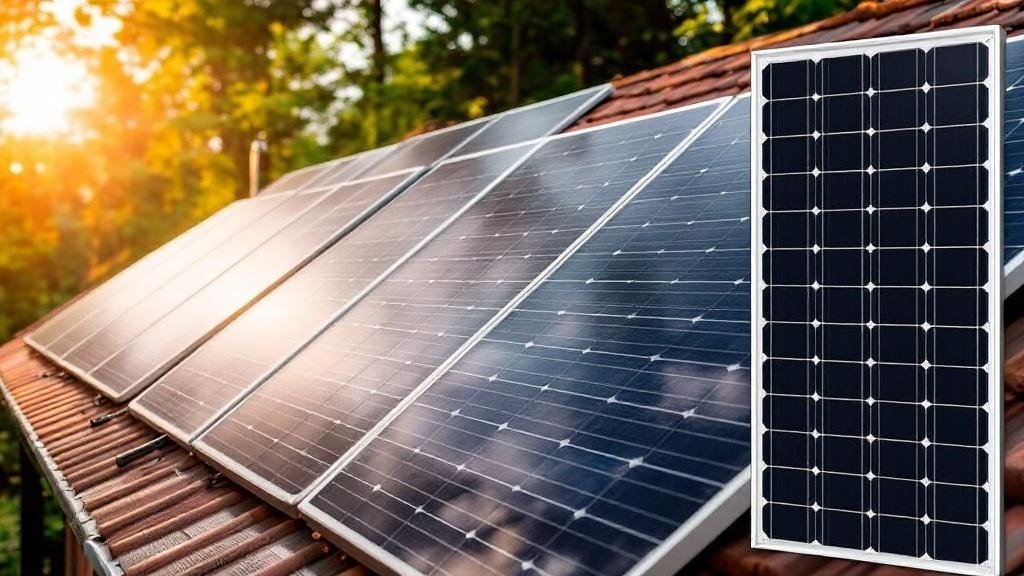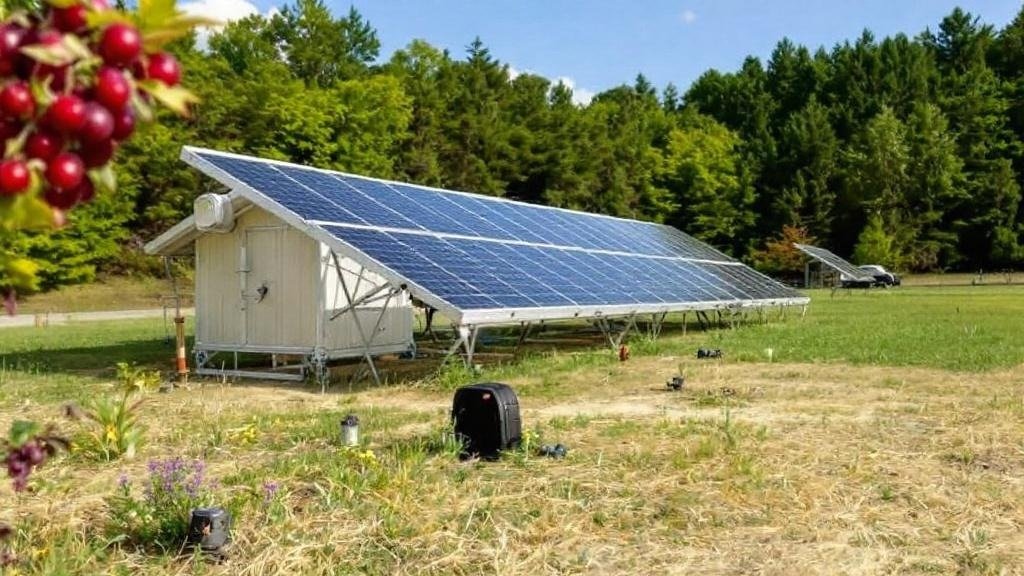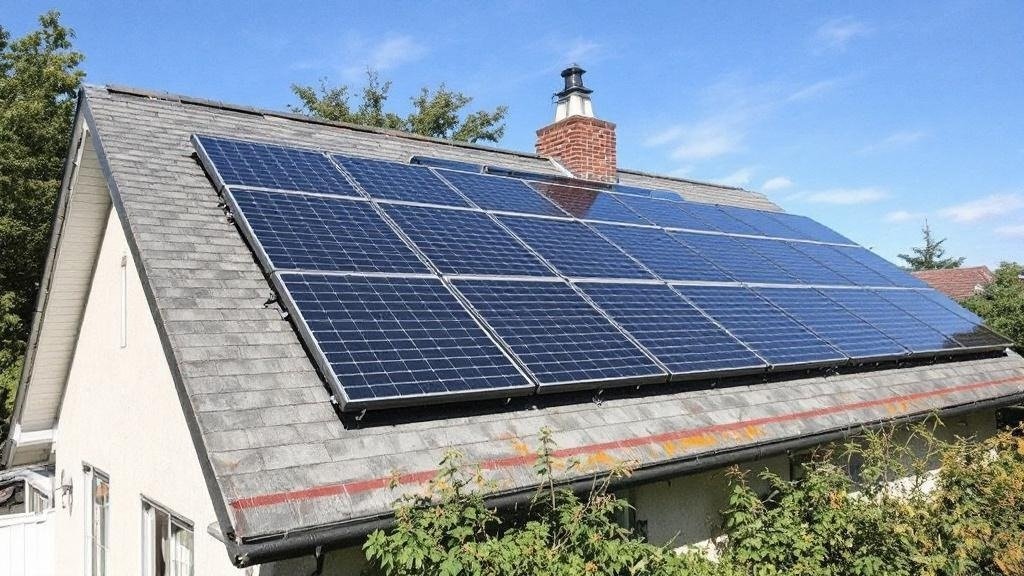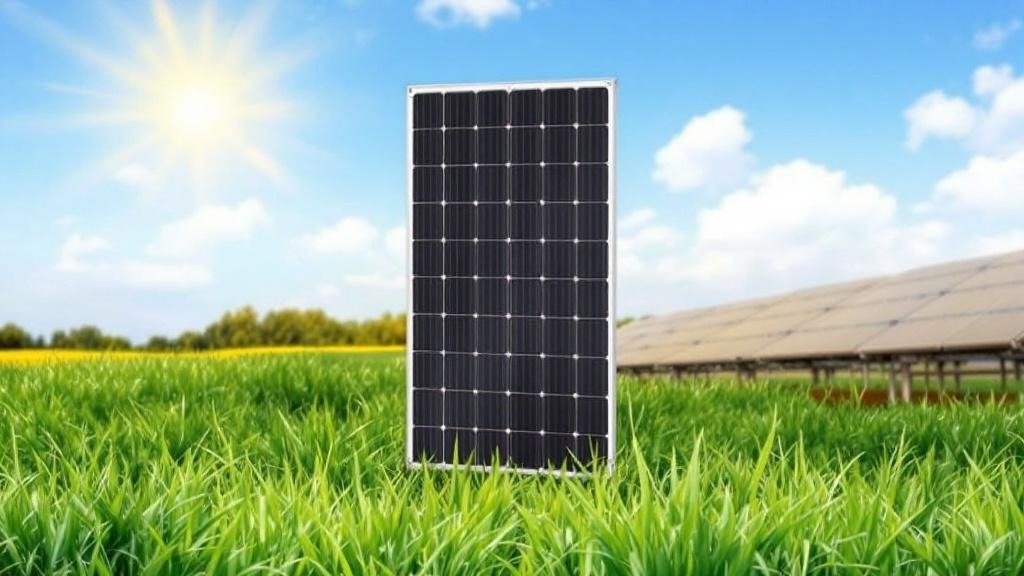
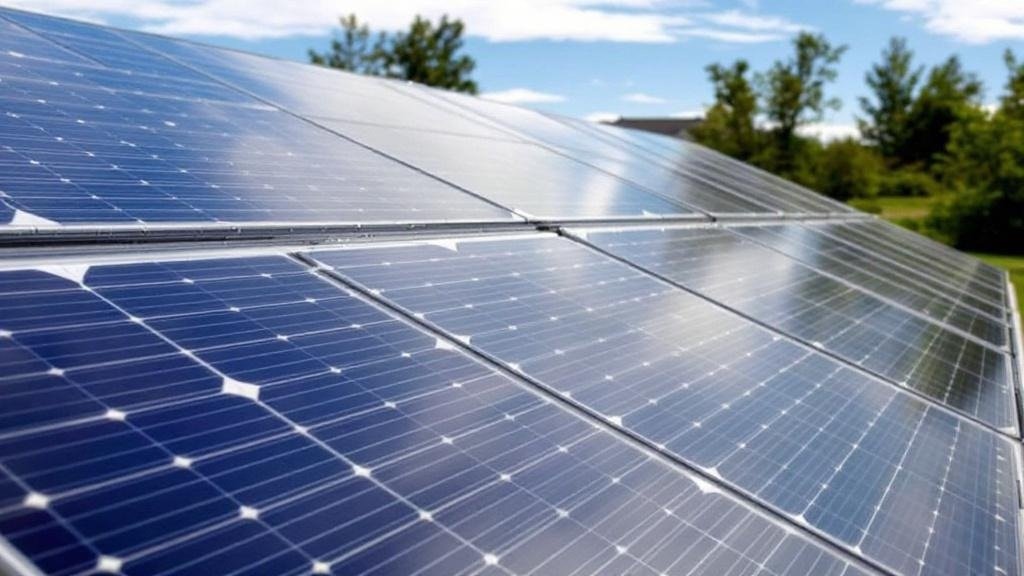


If you want reliable, compact solar power for camping, cabins, or vehicle-based adventures, a bifacial 200W kit stands out as a smart middle ground between portability and serious output. The HQST Bifacial 200 Watt 12V Solar Panel (2-pack) takes this concept further with upgraded cell tech, rugged construction, and an easy-to-scale design for growing an off-grid solar system over time.
In this review, we’ll break down real-world advantages, potential drawbacks, and who is most likely to benefit from this specific setup. We’ll also look at how it compares with traditional flat panels, what kind of supporting gear you’ll need, and how to get the most energy from the bifacial design on rooftops, RVs, cabins, or small homesteads.
Product Showcase: HQST 200W Bifacial Monocrystalline Kit

- 【Bifacial Tech, Up to 15% Extra Power】- Designed with advanced bifacial technology, HQST 100W Solar Panels capture direc…
- 【Installation Tips for Maximum Power Output】- Maximize energy output by installing bifacial solar panels on reflective s…
- 【Grade A+ Cells, Up to 25% Efficiency】- HQST 100W 12V solar panels feature advanced Grade A+ 9-busbar solar cells, rigor…
The HQST 200W 12V bifacial kit includes two high-efficiency monocrystalline modules designed for 12V battery charging and small to medium off grid solar system builds. Each panel is rated at 100W on the front side, but thanks to rear-side harvesting, you can squeeze up to 15% more output in the right conditions, effectively turning this 200W setup into something closer to 230W.
This kit is aimed at DIY users who want dependable solar power for boats, caravans, RVs, sheds, and small off grid solar system configurations without jumping straight into large roof-filling arrays. The panels are compatible with common PWM and MPPT charge controllers, and they use Grade A+ 9-busbar cells, which is the same class of tech you’d expect in many premium residential modules.
Because it is sold as a 2-pack, you get a tidy building block you can use alone for minimal loads or expand later as your energy needs grow. Whether you’re planning solar panels for rv travel or testing the waters of solar panels for off grid living, this set gives you a serious starting point without being overwhelming.
For readers who want to check current pricing or availability, you can view the product directly on Amazon here: HQST Bifacial 200W Solar Panel 2-Pack.
Pros & Cons
Key Advantages
The biggest selling point of this kit is the bifacial design. By capturing reflected light from the rear, these modules can deliver up to 15% more energy than conventional flat panels in similar conditions. If you mount them above a light-colored or reflective surface (metal roof, bright RV roof, white gravel, or even snow), you’ll notice better output throughout the day compared to basic 200 watt solar panel options.
Next is cell quality. HQST uses Grade A+ 9-busbar monocrystalline cells with up to 25% conversion efficiency. That number is on the high end for consumer modules and helps keep the panel footprint smaller while still producing meaningful power. In practice, this means more watts from a limited space, which is especially helpful on RV roofs, boats, and small structures where every inch counts.
Durability is another plus. The panels feature an IP68 rating for dust and water resistance, anti-corrosion aluminum frames, and are rated for 2400 Pa wind and 5400 Pa snow loads. Paired with tempered glass and built-in bypass diodes, they’re engineered to handle harsh outdoor conditions and partial shading better than many cheaper alternatives on the market.
Potential Drawbacks
While the bifacial design is impressive, it also means you’ll only see the “extra” energy if the rear side gets meaningful reflected light. If you mount these flat against a dark surface, you’re essentially using them as standard panels and losing one of the key benefits. Users who can’t or don’t want to elevate the panels slightly may not unlock their full potential.
The 12V nominal rating is ideal for smaller systems but can be limiting for large-scale installations that might prefer higher-voltage strings for efficiency. You can absolutely wire these in series for higher-voltage arrays, but if your long-term goal is a big home installation, these may be better as portable or dedicated subsystem panels rather than the core of a full residential build.
Finally, as a 2-pack, you’ll still need to budget for a charge controller, wiring, fuses, and mounting hardware (unless you’re upgrading an existing array). That’s normal for DIY solar, but it’s worth noting if you’re expecting a complete plug-and-play kit. Fortunately, HQST offers accessories and brackets that pair well with this bundle.
Description of These Bifacial Monocrystalline Solar Panels
- 【Bifacial Tech, Up to 15% Extra Power】- Designed with advanced bifacial technology, HQST 100W Solar Panels capture direc…
- 【Installation Tips for Maximum Power Output】- Maximize energy output by installing bifacial solar panels on reflective s…
- 【Grade A+ Cells, Up to 25% Efficiency】- HQST 100W 12V solar panels feature advanced Grade A+ 9-busbar solar cells, rigor…
High-Efficiency Bifacial Design
Each module in this kit uses advanced bifacial architecture to harvest energy from both faces of the panel. The front side captures direct sun, while the rear side gathers reflected light from surfaces below and around it. In optimized setups, that can yield up to 15% more power compared with similar-sized single-sided modules, effectively turning a compact 200 watt solar panel array into a more capable power source.
For practical everyday use, this means more watt-hours per square foot over the course of a day. Campers, van-lifers, and cabin owners can see better performance in shoulder hours (morning and late afternoon) and on bright overcast days, especially if they take advantage of reflective ground coverings or light roofs to bounce stray photons back into the rear cells.
Premium Grade A+ 9-Busbar Cells
The core of the panel is its Grade A+ monocrystalline cells with a 9-busbar layout. More busbars shorten the distance electrons must travel within the cell, reducing resistance and improving overall conversion efficiency. HQST rates these modules up to 25% efficiency, putting them among the higher-performing consumer-focused products currently available for small off grid solar system builds.
Each cell is tested by EL (electroluminescence) imaging to confirm there are no micro-cracks, which can silently degrade performance over time. This extra quality control step helps ensure consistent current flow across the entire module, providing reliable output over years of exposure to sun, wind, and temperature swings.
Improved Low-Light Performance with PERC Technology
HQST integrates PERC (Passivated Emitter and Rear Cell) technology to boost performance under low-light or suboptimal conditions. PERC cells are designed to reflect otherwise-lost light back into the active layer, capturing more of the infrared spectrum and improving generation when the sky is hazy or partially cloudy.
This is particularly important for users relying on solar as a primary energy source for remote cabins, RVs, or small homesteads, since not every day will be perfectly sunny. Rather than seeing a dramatic drop-off with the first cloud layer, these modules maintain more usable production, which can be the difference between a topped-off battery bank and an unnecessary generator run.
Rugged Construction for Long-Term Outdoor Use
On the mechanical side, the panels feature anti-corrosion aluminum frames that resist rust in marine and coastal environments, tempered glass for impact resistance, and junction boxes sealed to IP68 specifications for dust and water ingress. The 2400 Pa wind rating and 5400 Pa snow rating mean they are engineered for heavy storms and significant snow load.
For anyone installing pool solar panels nearby, on docks, or in humid climates, this level of ruggedness is especially reassuring. HQST positions these modules as a 30-year-capable product, and while real-world lifespans always depend on installation and climate, the construction aligns with long-term use rather than temporary “camping-only” gear.
Flexible Usage Scenarios
Although marketed for multiple use cases, these panels are particularly well suited to solar panels for rv installations, small boats, and remote structures where users need compact but serious power. The 12V nominal output matches standard deep-cycle batteries and many portable power stations (with compatible controllers in between), making integration easier for DIY projects.
You can run them as a standalone 200W array for light loads LED lighting, device charging, a small 12V fridge or tie several 2-packs together for a more substantial system serving cabins, sheds, or backyard offices. For those interested in solar panels for off grid living, this kit can serve as either a starter array or a dedicated subsystem for specific loads like refrigeration, water pumps, or communications gear.
Specs & Technical Details
Electrical Characteristics
Each panel in the bundle is rated at 100W under standard test conditions, with the 2-pack providing a 200W nameplate rating on the front side alone. Under well-optimized reflective conditions, expect up to 15% additional yield from the rear, so total effective production can climb noticeably higher in real-world environments.
The panels are designed for 12V system compatibility, making them well suited for direct battery charging through an appropriate charge controller. They pair best with MPPT controllers that can squeeze the most power from the higher voltage they produce under load, but they are also usable with PWM controllers for simpler or budget-conscious setups.
Mechanical & Environmental Ratings
Mechanically, the panels use an aluminum alloy frame specifically treated to resist corrosion over decades of outdoor exposure. Tempered glass protects the cells from hail, debris, and handling stress, while the backing and encapsulation are designed to minimize moisture intrusion.
The IP68 rating indicates that the junction box and key electronic components are effectively sealed against dust and capable of withstanding immersion in water beyond one meter for a defined period. The 2400 Pa wind rating and 5400 Pa snow load rating mark them as suitable for most climates short of extreme hurricanes or unusually heavy snowpack situations.
Compatibility & System Integration
Because the kit is aimed at flexible DIY system building, it integrates smoothly into many common configurations: 12V RV house batteries, boat battery banks, small cabin setups, and experimental backyard power systems. You can wire the panels in series or parallel depending on your controller’s voltage and current limits, allowing for fine-tuning to your exact system design.
Users exploring broader off-grid builds can pair the kit with quality inverters, batteries, and monitoring equipment. For additional planning tips on sizing controllers and batteries, resources from organizations like Energy.gov can help you design efficient, safe systems that match your lifestyle and loads.
Why We Recommend This 200W Bifacial Kit
- 【Bifacial Tech, Up to 15% Extra Power】- Designed with advanced bifacial technology, HQST 100W Solar Panels capture direc…
- 【Installation Tips for Maximum Power Output】- Maximize energy output by installing bifacial solar panels on reflective s…
- 【Grade A+ Cells, Up to 25% Efficiency】- HQST 100W 12V solar panels feature advanced Grade A+ 9-busbar solar cells, rigor…
This kit strikes a strong balance between portability, efficiency, and long-term reliability. The bifacial design gives you meaningful energy gains in real-world conditions without requiring larger footprints or more panels. Especially when installed over bright or reflective surfaces, the rear-side harvest can noticeably narrow the gap between nominal and actual daily output, which is critical when every watt-hour matters.
The use of Grade A+ monocrystalline cells with a 9-busbar layout reflects an emphasis on performance rather than bare-minimum compliance. Pair that with PERC technology and you get a module that continues producing usable power under the kinds of cloudy and low-angle light conditions that often frustrate solar users. That translates to more days when your batteries end up full and fewer nights worrying about rationing power.
We also appreciate the attention to durability and environmental sealing. For many people building an off grid solar system for cabins, RVs, or boats, reliability is more important than squeezing a few dollars off the upfront cost. IP68 protection, high snow and wind ratings, and corrosion-resistant framing all indicate that these panels are built to last rather than just survive one or two seasons of casual camping trips.
Finally, the 2-pack format and 12V focus make this kit approachable even for first-time DIY installers. Whether you’re stepping up from folding briefcase panels or expanding a starter array on your van, you get a scalable component that can grow with you. You can check availability and user reviews on Amazon through links such as this HQST bifacial kit listing before committing.
Who This Is NOT For
This kit is not ideal for people who cannot take advantage of the bifacial design. If your only option is to bolt the panels flat onto a dark shingle roof with zero rear clearance, you’ll miss out on a major benefit that justifies choosing these over simpler monofacial models. In that case, a traditional fixed-front module could offer similar performance at potentially lower cost.
It’s also not the best fit for large-scale residential systems where rooftop real estate is abundant and installers prefer higher-voltage strings and standardized racking with uniform panels. While you can technically use these in bigger arrays, most homeowners will be better served by full-size, higher-wattage modules designed specifically for whole-house configurations.
If you only need ultra-portable power for occasional weekend trips and do not plan to mount anything permanently, this 2-pack may be more than you need. Foldable briefcase-style modules or compact plug-and-play kits could be easier to transport and store, even if they come with lower efficiency and durability compared to these more robust units.
Complementing Ideas & Related Setups
To get the most from this HQST 200W bifacial kit, plan a complete system around it rather than thinking of the panels as a standalone solution. That means choosing the right charge controller (preferably MPPT), sizing your battery bank for your daily loads, and deciding what appliances or circuits you want the array to support. A well-balanced design will help these modules perform close to their potential.
For RV and van owners, consider pairing this array with roof fans, efficient 12V fridges, and LED lighting to create a comfortable, generator-free travel setup. You can explore additional ideas for optimizing your mobile lifestyle and power usage in resources such as NREL, which covers best practices for solar deployment and efficiency strategies.
Cabin and tiny house users interested in broader solar solutions, including heating and circulation for pools or outbuildings, can pair this kit with dedicated pool solar panels or secondary arrays that handle seasonal loads. For more guidance and system examples, see our related guides on small property energy setups and practical DIY configurations here: Off-Grid Solar & Battery Sizing Guide and RV Solar Panels Setup Tutorial.
Those who want to compare this HQST kit with a few other mid-sized options can also review alternative 200W class modules, compact arrays targeted at solar panels for rv users, and expandable kits aimed at solar panels for off grid living. Browsing different product lines via Amazon, starting with this HQST listing, can help you dial in price, size, and performance based on your specific vehicle or property.
- 【Bifacial Tech, Up to 15% Extra Power】- Designed with advanced bifacial technology, HQST 100W Solar Panels capture direc…
- 【Installation Tips for Maximum Power Output】- Maximize energy output by installing bifacial solar panels on reflective s…
- 【Grade A+ Cells, Up to 25% Efficiency】- HQST 100W 12V solar panels feature advanced Grade A+ 9-busbar solar cells, rigor…
Your Questions, Answered
Are these HQST bifacial panels suitable for a small off grid solar system at a cabin?
Yes. This 200W bifacial 12V kit is a strong fit for small cabin or shed setups where you need dependable daily power for essentials like LED lighting, device and laptop charging, routers, or a compact DC fridge. With proper mounting that allows light to reach the rear surface, the panels can exceed their front-side rating, giving you extra energy throughout the day. Pair them with an MPPT charge controller, an appropriately sized battery bank, and a good inverter for AC loads. Over time, you can expand by adding more pairs of panels as your off-grid needs grow.
Can I use these panels as solar panels for RV travel?
Absolutely. The 12V design, compact dimensions, and high efficiency make this kit well suited for RV roofs, camper vans, and fifth wheels. Many RV owners mount them on light-colored or reflective roofs to benefit from the bifacial rear harvest. Just be sure to leave enough space beneath the panels for airflow and reflected light; low-profile tilt brackets or raised mounts work well. Combine the array with an appropriately rated MPPT controller, quality cabling, and fuses to feed your house batteries safely and efficiently.
Do bifacial 200 watt solar panels work in cloudy or low-light conditions?
These HQST modules incorporate PERC cell technology, which is designed to capture more of the infrared spectrum and reflect unused light back through the active layers, improving performance when the sky is hazy or partially cloudy. You should not expect full rated output under overcast conditions, but compared with many basic modules, they hold onto a greater fraction of their capacity. Additionally, reflective surfaces like wet pavement, light gravel, snow, or bright roofs can still assist the rear side, further softening the impact of suboptimal weather.
What additional components do I need to build a complete system around this 2-pack?
To turn this 200W kit into a functional power system, you will need: an appropriately sized solar charge controller (MPPT preferred for best harvest), DC-rated wiring and connectors, overcurrent protection (fuses or breakers), mounting hardware, and a battery bank matched to your expected daily usage. If you want AC power, you’ll also need an inverter sized for your peak loads. Many users build modular setups, starting with one or two 2-packs plus a modest battery bank and then upgrading controller capacity and batteries as they add more panels over time.
How should I mount these panels to get the most from the bifacial design?
For maximum performance, avoid mounting the panels flat against dark surfaces. Instead, use brackets that keep them elevated and angled between roughly 20° and 45°, allowing sunlight to hit the ground or roof and bounce back onto the rear side. Surfaces such as white metal roofs, light concrete, sand, snow, or even reflective mats can significantly increase rear-side collection. Keep shading from vents, rails, and nearby trees to a minimum. This style of installation helps the bifacial architecture produce more energy across the entire day compared with flush-mounted modules.

We are a collective of off-grid enthusiasts, solar technicians, and sustainable living advocates dedicated to making energy independence accessible. From blackout-proofing suburban homes to engineering mobile power for the road, we rigorously test every kit and component we review. Our mission is to help you cut the cord and power your life on your own terms.