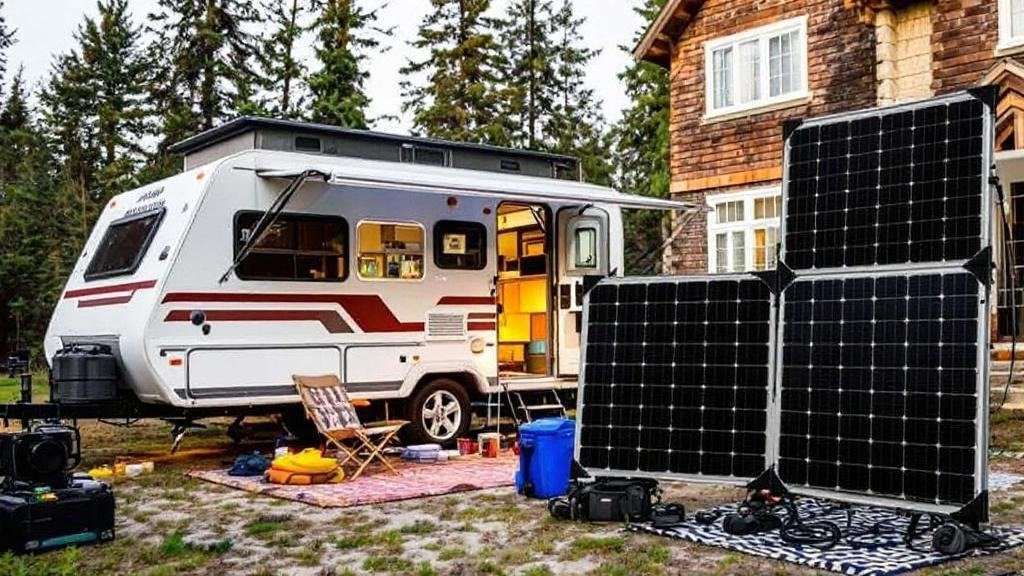



If you’ve ever rolled into camp, checked your phone, and realized your batteries are circling the drain, you already understand why a reliable portable solar solution matters. I’ve been slowly upgrading my off-grid setup over the last few years, and suitcase-style panels have become one of my favorite pieces of gear especially when I don’t want a permanent roof install or a full-blown RV solar panel kit.
In this review, I’ll walk through my honest impressions of the Renogy 200W 12V Portable Solar Panels Suitcase, who it really suits, and a few little quirks you’ll want to know about before hitting the buy button. I’ll also share some alternative ideas at the end if you’re just getting started with solar or want something a bit lighter or more permanent.

- Plug-and-Play Solar Kit: This complete kit includes a 200W solar suitcase, a waterproof 20A Voyager charge controller, a…
- Exceptional Efficiency: Renogy solar panels using grade A+ monocrystalline solar cells, paired with advanced smart PWM t…
- Portable and Convenient: The foldable design offers unmatched flexibility for outdoor and off-grid use, making it easy t…
Renogy 200W Portable Solar Panel Suitcase Overview
Renogy has become one of the go-to brands for people who want reliable gear without wandering into crazy boutique pricing. This 200-watt suitcase sits right in that sweet spot between serious power output and genuine grab-and-go convenience.
Instead of permanently bolting panels to your roof, this setup folds like a briefcase, includes a built-in charge controller, and connects straight to a battery bank or power station. For van dwellers, RV owners, overlanders, or anyone who occasionally runs a fridge and some devices off-grid, it’s a very practical balance between flexibility and performance.
Unlike tiny panels that are barely more than a solar powered battery charger for a single gadget, this one is built to keep larger systems alive think 12V fridges, lights, laptops, and phones rather than just topping off a phone once a day. It’s closer to a mobile power plant than a novelty panel.
If you’re working with a small camper, SUV, or a weekend cabin and want something you can stash away when not in use, this suitcase style starts to make a lot of sense compared with heavy, permanently mounted glass panels.
To see the current price and specs, you can check it out here: Renogy 200W Portable Solar Panel Suitcase.
Pros & Cons
What This Suitcase Does Really Well
The biggest win here is that it’s a true plug-and-play kit. Out of the box you get the 200-watt panel, the waterproof 20A Voyager charge controller already mounted, and alligator clips to hook to a 12V battery. There’s no hunting down extra parts or worrying whether you bought the right controller Renogy did that thinking for you.
The panel uses grade A+ monocrystalline cells, which is a fancy way of saying it’s efficient and consistent. In decent sun, a 200w solar panel like this can noticeably push your battery up during the day, even if you’re running a fridge or fan. The PWM controller isn’t as cutting-edge as an MPPT, but it’s solid, proven tech and offers good performance with fewer headaches.
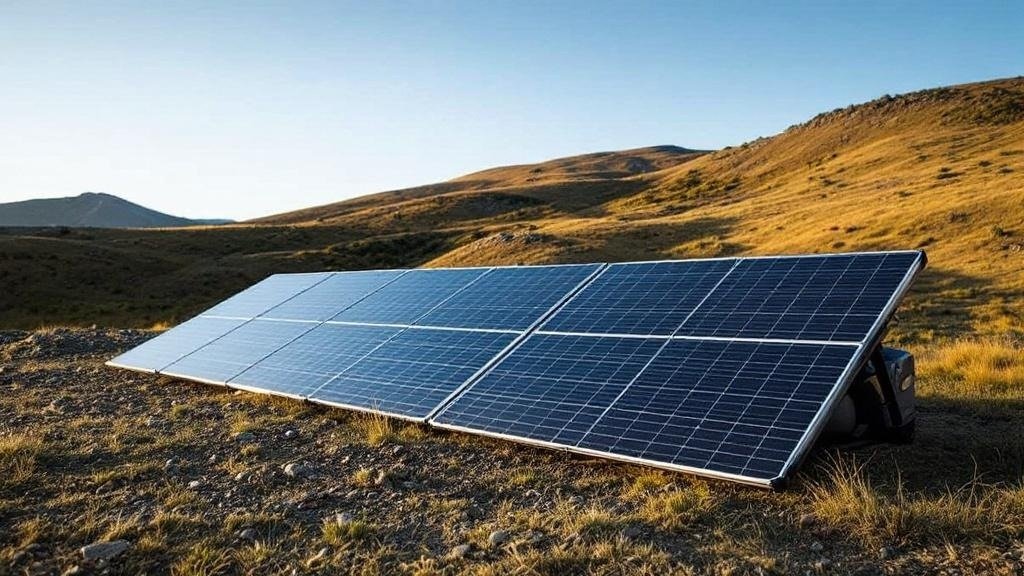
I also like the adjustable kickstand design. Being able to tilt the panel toward the sun makes a bigger difference than most people expect, especially in the morning and late afternoon. You can park your rig in the shade, then walk the panel out into the sun instead of roasting inside your vehicle just to keep the batteries happy.
Finally, the carry case and rugged backplate feel built for real-world use. It’s not a delicate gadget. The whole thing is meant to be tossed in a trunk or storage bay, dragged out in the dust, and used regularly.
Where It Falls Short (And Might Annoy You)
For all the positives, this isn’t a perfect solution. First, it’s not feather-light. Being a 200-watt glass panel array in a metal frame, this suitcase is on the heavier side. Most folks can move it without trouble, but if you have mobility issues or prefer ultra-light gear, you’ll want to keep that in mind.
Second, the included alligator clips are fine to get started, but they aren’t as tidy or secure as a dedicated quick-connect system. Many people eventually swap them out or add an extension with MC4 connectors to make things cleaner and more flexible around camp or the RV.
Third, while the built-in PWM charge controller is convenient, it does limit upgrade paths a bit. If you already own a high-end MPPT controller in your rig, you might prefer to bypass or relocate the included controller for maximum efficiency.
Lastly, when folded, it’s bulkier than a fabric-style foldable solar panel, so storage space matters. In a big RV or a pickup bed, no issue. In a tiny hatchback, you’ll want to think through where it’ll live between trips.
- Plug-and-Play Solar Kit: This complete kit includes a 200W solar suitcase, a waterproof 20A Voyager charge controller, a…
- Exceptional Efficiency: Renogy solar panels using grade A+ monocrystalline solar cells, paired with advanced smart PWM t…
- Portable and Convenient: The foldable design offers unmatched flexibility for outdoor and off-grid use, making it easy t…
Description & Real-World Use
Plug-and-Play Setup for 12V Systems
This kit is targeted squarely at people running 12V battery systems AGM, gel, flooded, and many lithium setups. The included Voyager 20A charge controller is already wired in, so setup is straightforward: unfold the suitcase, angle it with the kickstands, clamp onto your battery, and you’re in business.
For a beginner who wants a solar charger for phone, laptops, and small appliances through a 12V system or inverter, that simplicity is huge. There’s no separate shopping for charge controllers, no guesswork with wire gauge, and no need for a complicated wiring diagram. It’s pretty much solar for people who would rather camp than tinker.
Because the controller is waterproof, you don’t have to panic if the weather turns on you halfway through the day. It’s designed to live outdoors with the panel, which helps if you’re out fishing, hiking, or away from camp while the system keeps charging.
Power Output and Charging Performance
In good sun, a properly aimed 200-watt suitcase can meaningfully replenish a pair of 12V batteries used for typical camping loads think LED lights, phones, camera gear, a small 12V fridge, and maybe an occasional laptop charge. It’s powerful enough to be a core part of a small off-grid system, not just a backup.
The A+ monocrystalline cells are there to squeeze as much usable power as possible out of the sunlight. Combined with the smart PWM charge controller, the system optimizes voltage and current to keep your batteries in a healthier range, reducing the risk of overcharging or cooking them on bright days.
Is it as efficient as a premium MPPT unit paired with high-voltage panels? No. But for a compact, self-contained suitcase, it hits a very practical sweet spot, especially if you mainly camp on weekends or do seasonal road trips.
Portability and Storage Experience
The suitcase format is genuinely handy for people who don’t want anything permanent. Folded up, the panel slides into its canvas case, which gives it some extra protection from scratches, bumps, and general life in the back of a vehicle.
Because it’s a rigid panel, it won’t fold into a tiny package like a fabric-style foldable solar panel, but it’s far more stable when deployed. The adjustable kickstands feel more confidence-inspiring than propping up a floppy panel on a rock or cooler and hoping the wind doesn’t ruin your day.
In terms of daily use, I like that you can deploy it quickly, move it a couple of times throughout the day to chase the sun, then fold it back up in a minute or two. For travelers who stay on the move, that setup/tear-down speed really matters.
Safety and Protection Features
Renogy’s Voyager controller brings multiple built-in protections, including overcharge, short-circuit, reverse polarity, and over-temperature safeguards. That might sound like marketing fluff, but when you’re dealing with batteries and electronics, those guardrails can prevent expensive mistakes.
If you’re lending your setup to a friend or setting it up for a family member who isn’t exactly an electrical wizard, those extra safety nets matter. It makes the kit more “family proof” and less likely to suffer from a moment of rushed setup or crossed wires.
For people running delicate devices or newer lithium chemistries, double-checking compatibility and proper settings is always wise, but overall the controller is built with real-world use and protection in mind.
Durability and Long-Term Reliability
The panel backplane is rated for high weather resistance, and Renogy claims up to a 25-year service life from the panel itself, backed by a 3-year output and workmanship warranty. In practice, that means this isn’t a “one season and done” toy it’s a long-term piece of your off-grid setup.
The canvas case also helps protect the glass surface during transport. You’ll still want to treat it like any other glass panel (no sitting on it, no throwing gear on top), but it feels well-built and designed for frequent use, not just occasional backyard experiments.
Plenty of people have run Renogy panels for years on RV roofs and cabins, which gives some extra confidence that this suitcase version will hold up under normal use if you don’t abuse it.
- Plug-and-Play Solar Kit: This complete kit includes a 200W solar suitcase, a waterproof 20A Voyager charge controller, a…
- Exceptional Efficiency: Renogy solar panels using grade A+ monocrystalline solar cells, paired with advanced smart PWM t…
- Portable and Convenient: The foldable design offers unmatched flexibility for outdoor and off-grid use, making it easy t…
Specs & Technical Details
Core Electrical Specs
This suitcase offers a total of 200 watts of rated output, split across two 100W panels hinged together. It’s designed for 12V battery systems and pairs with the 20A Voyager charge controller, which is sized appropriately for the wattage and typical use cases.
The controller uses PWM (pulse-width modulation) technology, which is simpler and more affordable than MPPT while still offering efficient charging for 12V setups. It’s fully waterproof, which is one of the standout features compared with cheaper indoor-only controllers.
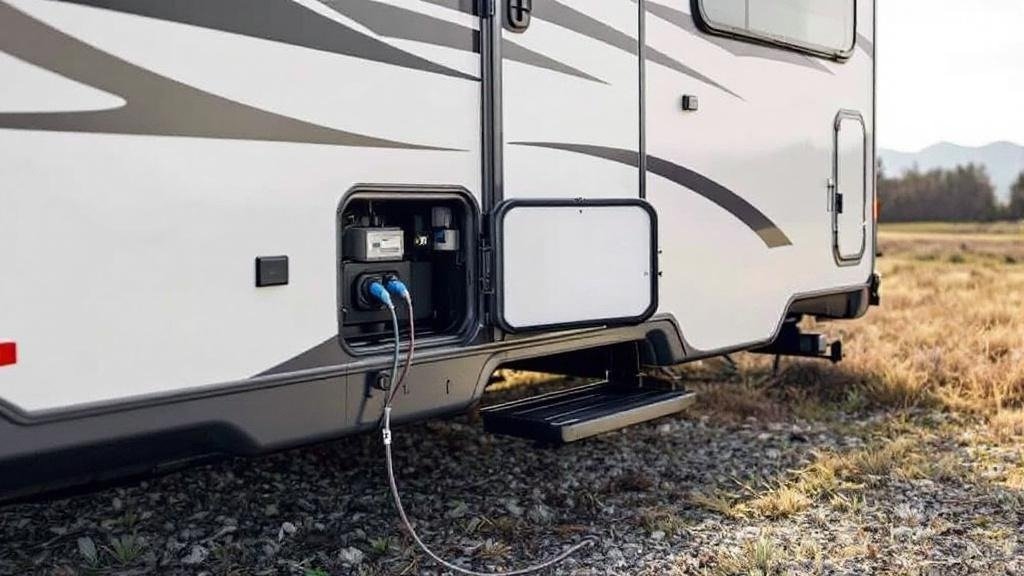
Terminations are via alligator clips by default, and many users add their own MC4 leads or extensions depending on how far they need to place the panel from the battery bank or power station.
Physical Build and Materials
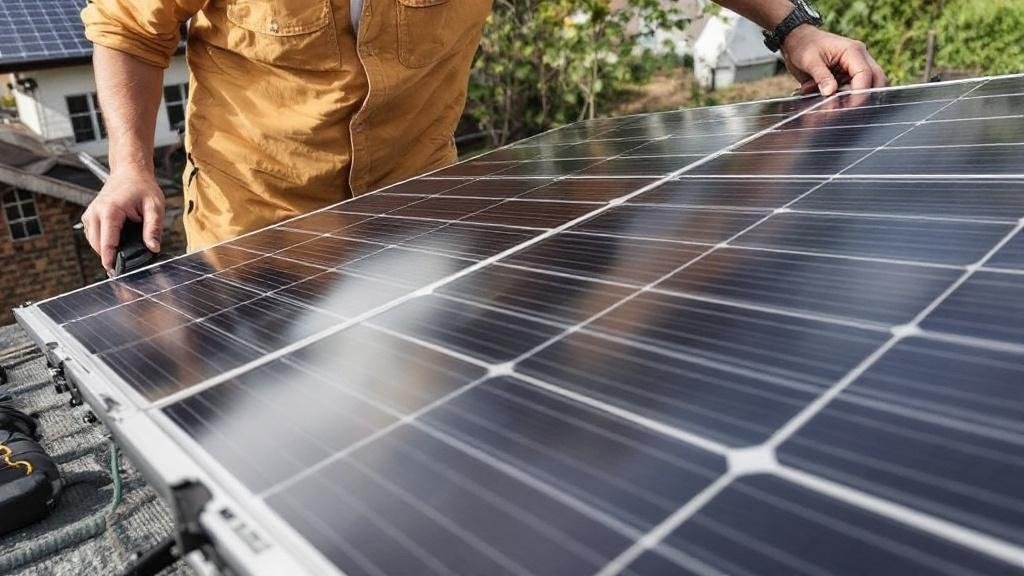
The panel uses A+ grade monocrystalline cells encased in tempered glass, framed with aluminum and connected via a sturdy hinge system to form the suitcase. Adjustable kickstands on the back allow you to tilt the array toward the sun at various angles.
Renogy includes a rugged canvas protective case with a carrying handle, making it easier to move in and out of vehicles or storage compartments. The backplane is engineered to be highly weather resistant, which helps with longevity if you’re using it in harsh sun, cold, wind, or dusty conditions.
While the exact weight varies slightly by batch, expect a noticeable but manageable heft something an average adult can move, but not something you’d casually backpack miles into the wilderness.
Compatibility and Use Cases
This suitcase is compatible with many 12V batteries commonly used in RVs, boats, cabins, and overland rigs. It works well as a standalone source for a power station, or as a flexible addition to an existing system that needs more charging capacity without roof modifications.
If you’re coming from a tiny solar charger for phone and small gadgets, think of this as moving into a proper off-grid tier. It can help run a small fridge, charge power tools between jobs, or keep a modest battery bank ready at a remote property.
For more advanced off-grid planning and battery sizing, resources like the U.S. Department of Energy’s efficiency guides (solar energy basics) are worth a look so you can pair panel output with realistic energy needs.
Why We Recommend It
A Practical Middle Ground Between Tiny and Overkill
One of the easiest mistakes when getting into solar is either buying something too small to matter or going all-in on a complex system you don’t quite need yet. This kit lives in that middle ground. A 200w solar panel suitcase is substantial enough to power a real off-grid weekend, but not so overbuilt that you need a dedicated install day, diagrams, and a tool chest to make it work.
If you’ve been using a basic solar powered battery charger or a small panel draped over a dashboard, this is a serious upgrade. Suddenly, leaving a fridge running or keeping multiple devices topped up stops being stressful. You’re not just slowing down battery drain; you’re actually refilling the tank.
Because everything is included panel, controller, clips it’s an approachable way to get into solar without feeling like you’re wiring a spaceship. You unfold it, aim it, connect it, and see results that same day.
Flexibility for Different Rigs and Situations
What I like most is how easily this suitcase fits into different lifestyles. Maybe you’re in a van this year, an RV next year, and a small cabin after that this panel can come with you through all of that without needing to be unbolted, patched over, or left behind.
If you’re not ready to commit to a permanent RV solar panel kit or roof install, this is a low-commitment way to prove to yourself that solar actually fits the way you live and travel. When you eventually do a permanent system, this suitcase can still serve as a backup or extra capacity for shaded campsites.
It’s equally at home in a campground, a jobsite, a hunting camp, or a backyard emergency-prep setup. That versatility is a big part of why it’s easy to recommend.
- Plug-and-Play Solar Kit: This complete kit includes a 200W solar suitcase, a waterproof 20A Voyager charge controller, a…
- Exceptional Efficiency: Renogy solar panels using grade A+ monocrystalline solar cells, paired with advanced smart PWM t…
- Portable and Convenient: The foldable design offers unmatched flexibility for outdoor and off-grid use, making it easy t…
Trustworthy Brand and Long-Term Value
Renogy is one of the more established names in the DIY solar space, and there’s value in that. You can find plenty of real-world feedback, wiring tips, and troubleshooting help because so many people already use their products.
The long service-life expectations and multi-year warranty also put it ahead of many generic brands. When you’re investing in something you hope to use for years, that peace of mind matters. You’re not just paying for watts; you’re paying for support, documentation, and predictable behavior.
For users who want to grow into a larger system, starting with a known brand makes adding compatible parts later much easier, whether that’s another panel, a better controller, or a beefier battery bank.
Who This Is NOT For
Even though this suitcase is versatile, it’s not the perfect fit for everyone. If you live in a tiny apartment and only want a simple way to top off a phone or two, this is probably more panel than you need. A small, dedicated solar charger for phone and power bank might be more practical and cheaper.
It’s also not ideal if you want an ultra-light backpacking setup. Hikers and bike tourers will be far better served by a flexible, smaller foldable solar panel that weighs a fraction of this and can be strapped to a pack.
On the other side of the spectrum, if you’re running a power-hungry off-grid home or full-timer rig with high daily energy needs, this suitcase alone won’t cut it. In that case, a full roof-mounted array plus additional 200w solar panel modules, wired into a robust MPPT controller and larger battery bank, is the smarter path.
Lastly, if you never move your rig and want a clean, zero-handling setup, a permanently installed RV solar panel kit may be more convenient long term. Setting and forgetting can be worth it if you don’t care about the portability advantage.
Complementing Ideas & Next Steps
If you’re just starting to sketch out your off-grid system, it’s worth learning how panels, controllers, and batteries all fit together. Our primer on planning a small off-grid setup walks through sizing your array, matching batteries, and deciding when to use a suitcase versus a fixed system: Off-Grid Solar Starter Guide.
For RV owners specifically, integrating this suitcase into an existing battery bank is usually straightforward. You’ll want to think about wiring, fusing, and whether you eventually want a rooftop array as well. Our RV-focused walkthrough covers the pros and cons of portable versus permanent solutions: RV Solar Setup Checklist.
If you’re leaning toward this kit and want to compare current pricing or reviews, you can see it here: Renogy 200W Solar Suitcase. For a smaller system or as a backup charger for a portable power station, Renogy also offers compact options that pair well with this kit: Renogy smaller solar panels.
If you see yourself eventually building a more permanent rig, you might also browse multi-panel kits that complement a suitcase setup by taking over most of the daily heavy lifting while you keep this portable unit for shaded campsites or emergency top-ups: Renogy RV and off-grid kits.
And if you’re more interested in a compact, grab-and-go charging option for phones and small devices only, there are dedicated portable panels designed for that lighter use case as well: portable phone and gadget solar chargers. For broader background on how to safely size and wire DC systems, the National Renewable Energy Laboratory has an excellent library of educational resources: NREL.
- Plug-and-Play Solar Kit: This complete kit includes a 200W solar suitcase, a waterproof 20A Voyager charge controller, a…
- Exceptional Efficiency: Renogy solar panels using grade A+ monocrystalline solar cells, paired with advanced smart PWM t…
- Portable and Convenient: The foldable design offers unmatched flexibility for outdoor and off-grid use, making it easy t…
Your Questions, Answered
Can the Renogy 200W suitcase run a 12V fridge all day?
In good sun, the Renogy 200W suitcase can usually keep up with the draw of a typical efficient 12V compressor fridge plus some light loads like lights and phone charging, especially if you have a reasonably sized battery bank. The panel replenishes what the fridge uses during the day, and your batteries carry you through the night. As always, results depend on your climate, sun hours, and fridge efficiency, so it’s smart to monitor your battery levels for a few days and adjust usage, tilt angle, or panel placement if needed.
Is this portable solar panel compatible with lithium batteries?
The included Voyager charge controller is compatible with many 12V lithium batteries, but you must confirm the specific settings and compatibility for your battery model. Check both the Renogy manual and your battery manufacturer’s recommendations. In some cases, you may need to tweak the charging profile or, for advanced setups, bypass the built-in controller and use your own lithium-optimized MPPT controller while still benefiting from the suitcase format.
Can I use this as a solar charger for phone and laptops directly?
You don’t plug phones and laptops directly into the panel. Instead, the panel charges a 12V battery or power station, and you plug your devices into that battery system via USB or AC outlets. Many people pair this suitcase with a portable power station or an RV house battery bank. That setup gives you safer, more stable power for sensitive electronics and lets you keep charging even when the sun dips behind clouds.
How does this compare to a roof-mounted RV solar panel kit?
A roof-mounted RV solar panel kit is great if you want a permanent, always-on setup and don’t mind drilling and routing wires. The Renogy 200W suitcase trades that permanence for flexibility you can park in the shade, move the panel into the sun, and use it with multiple vehicles or at a cabin. Roof kits can scale to much higher wattage, but a suitcase is easier to store, share, or upgrade later without altering your roof or committing to one rig.
Is a 200w solar panel suitcase overkill for weekend camping?
For minimalist campers running only a couple of lights and charging a phone, 200 watts may be more than you strictly need, but it gives you a lot of breathing room. Where it really shines is when you add a 12V fridge, fan, or laptop into the mix. For many people who camp most weekends or take longer trips a few times a year, the extra capacity means you’re not constantly budgeting power or worrying every cloudy afternoon.

We are a collective of off-grid enthusiasts, solar technicians, and sustainable living advocates dedicated to making energy independence accessible. From blackout-proofing suburban homes to engineering mobile power for the road, we rigorously test every kit and component we review. Our mission is to help you cut the cord and power your life on your own terms.